



The Power of the Half-Batch
Many recipes are written to serve four, six, or even eight people, which is daunting for a solo cook. The simplest first step is to just cut everything in half. Instead of a 9x13 inch casserole, use an 8x8 inch pan. For soups, stews, and chilis, this
is often a straightforward conversion. It immediately reduces your leftover load from a week's worth of meals to a more manageable one or two extra portions. Writing down the new measurements before you start can prevent confusion mid-recipe. This small change is often enough to make cooking feel less wasteful and more rewarding.
Smart Scaling: Beyond Simple Division
Of course, not everything scales down perfectly. What do you do when a recipe calls for one egg and you're halving it? For ingredients like eggs, you can whisk one in a cup and use half (about two tablespoons). For others, like a can of crushed tomatoes, you might be left with an awkward amount. This is where planning comes in. If you know you'll have half a can of coconut milk, plan another meal for the week that uses the rest. Alternatively, some ingredients can be frozen in ice cube trays for later use, such as tomato paste or pesto.
Equip Your Kitchen for Success
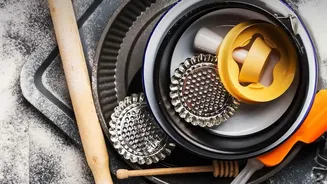
Cooking small portions in large cookware can lead to burning or uneven results. Investing in a few key pieces of smaller equipment makes a huge difference. A small 8-inch skillet, a 2-quart saucepan, and a few loaf pans or small baking dishes are perfect for single-serving meals. A small food processor or an immersion blender is also more practical than its full-sized counterpart. These tools not only make cooking more manageable but also help with portion control.
Your Freezer Is Your Best Friend
The freezer is the solo cook’s secret weapon against food fatigue. It's not just for leftovers. You can cook a full-batch recipe and immediately portion it into single-serving containers for future meals. This gives you a variety of ready-to-heat dinners without having to eat the same thing all week. Label everything with the name and date to avoid mystery meals. You can also freeze individual components: a few chicken breasts, single portions of rice, or extra sauce. Silicone trays designed for freezing portions are excellent for this.
Embrace Component Cooking
Instead of cooking a complete recipe every night, try 'component cooking'. At the start of the week, prepare a few key ingredients: roast some vegetables, grill a few chicken breasts, cook a batch of quinoa or rice. Store them separately in your fridge. Throughout the week, you can quickly assemble different meals. A grain bowl one night becomes a loaded salad the next, followed by a quick stir-fry. This approach offers variety and flexibility while drastically cutting down on nightly prep time.
Shop Smarter, Not Bigger
Food waste often begins at the grocery store. Avoid buying in bulk unless it's a pantry staple you use constantly. Shop at stores with bulk bins where you can buy the exact amount of grains, nuts, or spices you need. Don't be afraid to ask the butcher or deli counter for a single chicken breast or just a few slices of meat. Visiting the salad bar can also be a clever way to get small amounts of various chopped vegetables for a single meal. A little planning before you shop can save you money and prevent your fridge from becoming a food graveyard.