



The Gentle Flow of Tai Chi
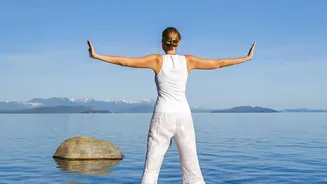
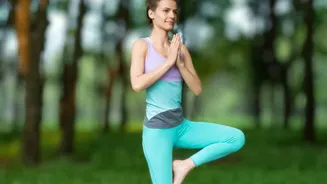
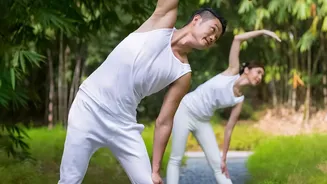
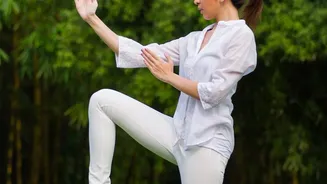
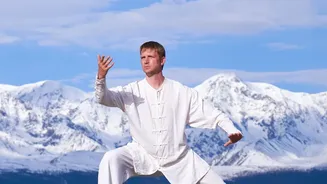
Often called 'meditation in motion', Tai Chi is an ancient Chinese martial art known for its slow, graceful, and continuous movements. Its approach to flexibility is gradual and profound. Instead of holding static stretches, practitioners flow through
a series of postures that move the body's joints through their full range of motion. This process helps to lubricate the joints, release muscle tension, and improve circulation. Research consistently shows that regular practice improves both upper- and lower-body flexibility. Tai Chi's power lies in its mindful, low-impact nature, making it accessible to nearly anyone, regardless of age or fitness level, including those with joint issues or limited mobility. The emphasis is on gentle extension, controlled weight shifts, and deep body awareness, which collectively help correct postural imbalances that contribute to stiffness.
The Dynamic Power of Kayaking
At first glance, kayaking might seem to be all about arm strength. However, proper paddling technique is a full-body workout heavily reliant on the core. The key to both power and flexibility in kayaking comes from torso rotation. Each paddle stroke involves twisting the core, which engages the obliques and lower back muscles. This repetitive, rotational movement enhances what's known as functional flexibility, particularly in the torso, shoulders, and back. While it is a low-impact activity that is gentle on the joints, it simultaneously builds muscle and endurance. Over time, this can lead to improved posture and reduced stiffness. Flexibility is also crucial for efficient paddling and maneuvering, as a fluid range of motion in the hips and torso allows for better balance, control, and agility on the water.
Two Different Kinds of Flexible
The flexibility gained from Tai Chi and kayaking, while both valuable, is different in character. Tai Chi cultivates a pervasive, whole-body suppleness. Its slow, controlled movements promote a wide range of motion across all major joints—hips, shoulders, spine, and knees—while also strengthening the small stabilising muscles that protect them. It is a practice of developing balance, coordination, and a deep connection between mind and body. Kayaking, on the other hand, develops a more dynamic and powerful form of flexibility centred on the core and upper body. The flexibility here is intrinsically linked to strength and endurance. It’s about having the rotational mobility in your torso to power your stroke and the shoulder flexibility to paddle for hours without strain. While Tai Chi creates gentle, yielding flexibility, kayaking builds robust, functional mobility.
Which Path is Right for You?
Choosing between Tai Chi and kayaking depends entirely on your personal goals, preferences, and physical condition. If your primary aim is to reduce stress, improve balance, and gently increase your overall range of motion in a calm, meditative setting, Tai Chi is an outstanding choice. It's particularly well-suited for those new to exercise, managing chronic pain, or focused on improving mind-body awareness. If you seek adventure and a more vigorous cardiovascular workout that builds core strength while getting you outdoors, kayaking is likely your answer. It is ideal for those who want to build functional strength and endurance in a dynamic environment. It strengthens the heart, back, shoulders, and arms while the natural setting provides significant mental health benefits.