







The National Push for Greener Fuel
At its core, the Ethanol Blended Petrol (EBP) programme is driven by compelling national interests. By mixing ethanol—a biofuel typically derived from sugarcane and grains—with petrol, India aims to slash its massive crude oil import bill, which accounts
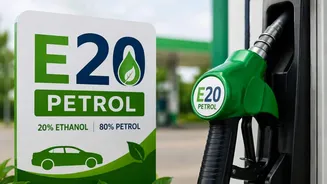
for nearly 88% of its consumption. This move is designed to enhance energy security, reduce greenhouse gas emissions, and boost the rural economy by creating a larger market for agricultural produce. The government has aggressively pursued this policy, achieving its 20% ethanol blending (E20) target in 2025, five years ahead of its original 2030 schedule. E20 fuel is now the default at most petrol stations across the country.
Consumer Concerns and Vehicle Compatibility
While the policy has strategic benefits, the rapid transition has sparked a significant consumer backlash. Many vehicle owners, particularly those with cars and two-wheelers manufactured before 2023, have reported a noticeable drop in mileage, sluggish acceleration, and rougher engine performance. Experts point out that ethanol has a lower energy density than petrol, meaning a slight drop in fuel efficiency is expected. The larger concern is long-term engine health. Ethanol is corrosive and can absorb moisture, which may degrade rubber hoses, seals, and other fuel system components in older vehicles not designed for high ethanol blends. This has left millions of owners worried about potential damage and whether their vehicle warranties will remain valid.
A Call for Clarity at the Pump
The central issue for many consumers is a lack of clear information. With E20 now standard, drivers often don't have a choice of fuel and are unsure about the exact blend they are purchasing. This information gap has fueled frustration and mistrust, leading to calls for greater transparency. A recent Public Interest Litigation (PIL) filed in the Supreme Court sought to make it mandatory for all fuel-dispensing nozzles to clearly display the exact percentage of ethanol in the petrol. The plea also requested the creation of a publicly searchable database where owners could check their vehicle's compatibility with different ethanol blends.
Proposal Versus Current Policy
The proposal for mandatory, uniform labeling represents a push for consumer rights and informed choice. Proponents argue that just as food products have detailed ingredient lists, fuel should have clear composition labels. This would allow owners of older vehicles to understand the potential risks and make informed decisions, even if their fuel choices are limited. However, the current policy has prioritized a swift, uniform rollout of E20 to meet national targets. On August 31, 2026, the Supreme Court dismissed the PIL for mandatory labeling, asking the petitioner to approach the appropriate High Court instead. The government has maintained that extensive studies have found E20 to be safe for use and that manufacturers have introduced compatible vehicles since 2023.
The Road Ahead: Balancing Goals with Trust
The debate over ethanol blending is not just about fuel chemistry; it's about public trust. While the government highlights the long-term benefits of energy security and lower emissions, many citizens feel their immediate concerns about vehicle health and running costs are being overlooked. Experts and even some industry bodies like SIAM have previously suggested that retaining a lower-blend option like E10, as is done in Brazil, could have eased the transition for the millions of legacy vehicles still on Indian roads. Even the Chief Economic Advisor has argued for the availability of E10 for older vehicles. Without clear communication and transparent labeling, the risk of a 'greenlash'—public resistance to green policies—grows, potentially undermining the very goals the EBP programme aims to achieve.