







The Numbers Behind the Surge
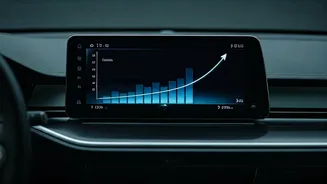
In a clear sign of its growing ambition, Mahindra recorded 20,112 electric vehicle registrations in the first quarter of fiscal year 2027, covering April to June 2026. This figure represents a staggering 98% year-on-year growth, as the company had registered
just 10,144 units during the same period in the previous year. This dramatic uptick confirms Mahindra's solidification of its number two position in the Indian passenger EV market and shows it is successfully translating its strategic focus into significant sales volumes. The performance underscores a major shift in the competitive landscape, which for years has been dominated by a single player.
An Expanding and Successful Portfolio
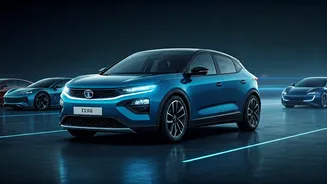
The impressive growth isn't accidental; it's the result of a deliberate and expanding product strategy. A large portion of the momentum comes from Mahindra's new 'Born Electric' platform, with models like the XEV 9S, XEV 9e, and BE 6 driving volumes. These new electric SUVs have been met with strong consumer demand, giving the brand a fresh charge in the market. In fact, the new portfolio is successfully compensating for the waning demand for the company's older EV model, the XUV400. This proves that Mahindra's multi-pronged approach, with a pipeline of new and varied electric SUVs, is resonating with Indian car buyers who are increasingly looking for credible EV options.
Challenging the Market Leader
While Mahindra's growth is remarkable, it's happening within a rapidly expanding and fiercely competitive market. Tata Motors, the long-standing leader, is not slowing down. During the same April-June quarter, Tata also more than doubled its EV registrations, selling an impressive 32,283 units compared to 15,794 the year before. This performance allowed Tata to slightly increase its commanding market share to 39%, up from 36.1% a year earlier. What the numbers show is a two-speed race at the top: while Tata remains comfortably ahead in total volume, Mahindra is now matching its fierce growth trajectory, turning the EV space into a true two-horse race for the first time.
A More Crowded Battlefield
The rivalry between Tata and Mahindra is unfolding against the backdrop of a broader market explosion. The entire Indian electric passenger vehicle market grew by nearly 90% in the quarter. This growth has attracted a host of new competitors. JSW MG Motor India, which holds the third position, saw its growth lag significantly behind the top two, causing its market share to fall. Meanwhile, new entrants are already making their presence felt. Maruti Suzuki, India's largest carmaker, made an immediate impact by registering 4,894 units of its first EV, the e Vitara, in the quarter. Similarly, Vietnamese automaker VinFast recorded nearly 4,000 registrations in its first full quarter of sales, signaling that the fight for the Indian EV consumer is only just beginning.