







Why the Sudden Focus on Protein?
Protein is an essential macronutrient that serves as a building block for your body. It plays a crucial role in repairing tissues, building muscle, supporting your immune system, and creating hormones and enzymes. A key benefit of a protein-rich meal
is its effect on satiety; it helps you feel fuller for longer, which can reduce the urge to overeat. This is partly because protein influences hormones that signal fullness to your brain. Furthermore, adequate protein intake is vital for maintaining muscle mass as you age and can help balance blood sugar levels by slowing the digestion of carbohydrates. For a sedentary adult, the Indian Council of Medical Research (ICMR) recommends a baseline of 0.83 grams of protein per kilogram of body weight, which translates to about 46-54 grams daily for most. However, needs increase with activity levels.
Easy Ways to Add Protein to Your Day
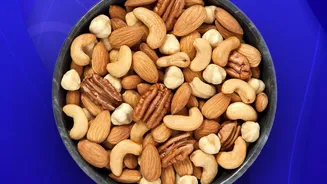
Boosting your protein doesn't require a complete dietary overhaul. The simplest approach is to integrate protein-rich additions into your current meals. For breakfast, instead of just having toast, add a couple of eggs. You can stir a scoop of protein powder or some nut butter into your morning oats or smoothie. At lunch or dinner, sprinkle nuts, seeds, or legumes onto your salads and vegetable dishes. A handful of almonds can add around 6 grams of protein. Swapping regular yogurt for Greek yogurt as a base for raita or a side dish is another effective trick. You can also add chopped cooked meat, paneer, or tofu to soups, sauces, and casseroles to easily increase their protein content. The goal is to make small, consistent additions that enhance your meals without feeling like a chore.
Whole Foods vs. Protein Supplements
Both whole foods and protein supplements have their place. Whole food sources like dal, paneer, eggs, chicken, fish, nuts, and seeds offer a complex matrix of nutrients, including fibre, vitamins, and minerals, which supplements often lack. They also tend to be more satiating because the body digests them more slowly. On the other hand, supplements like whey or plant-based protein powders offer unmatched convenience. They are quickly absorbed, making them a popular choice for post-workout recovery, and provide a high density of protein per serving. For many, especially vegetarians or those with busy schedules, supplements can help bridge the gap between their dietary intake and their protein needs. Ultimately, the best approach is often a combination of both: a foundation of protein-rich whole foods, supplemented by powders when convenience is key.
Choosing the Right Protein Powder
If you decide to use a supplement, the Indian market offers a wide variety of options, which can be overwhelming. The first step is to decide between dairy-based (whey, casein) and plant-based (pea, soy, brown rice) proteins. Whey is known for its rapid absorption and is a favourite for muscle recovery, while plant proteins are great for those with dairy sensitivities or who follow a vegan diet. When reading the label, look beyond the marketing claims. Check the protein content per serving (not just per 100g), the serving size, and the ingredients list for unwanted additives like excessive sugar. Reputable brands will have clear labelling and often provide third-party testing for quality assurance. Your choice should align with your dietary needs, lifestyle, and fitness goals.
Is There Such a Thing as Too Much Protein?
While most people struggle to get enough protein, it is possible to overdo it. Consuming excessive amounts of protein, far above the recommended daily allowance, can put a strain on the kidneys and liver, especially in individuals with pre-existing conditions. High-protein diets that are also high in red and processed meats have been associated with other health risks. Furthermore, the body cannot store extra protein, so any excess that isn't used for energy is stored as fat. For most healthy adults, sticking within a reasonable range is key. Active individuals or those looking to build muscle may aim for 1.2 to 1.6 grams of protein per kilogram of body weight. However, exceeding this significantly without medical guidance is generally not recommended.