


A Fruit Woven into National Identity
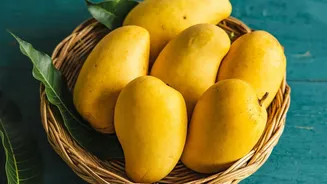
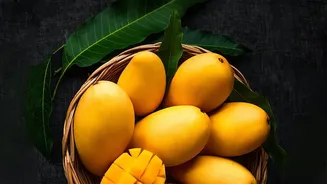
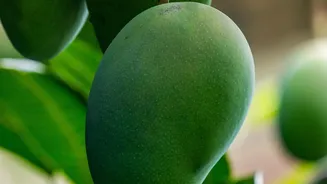
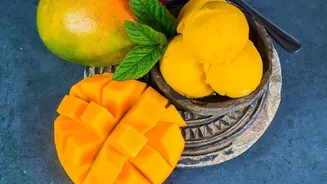
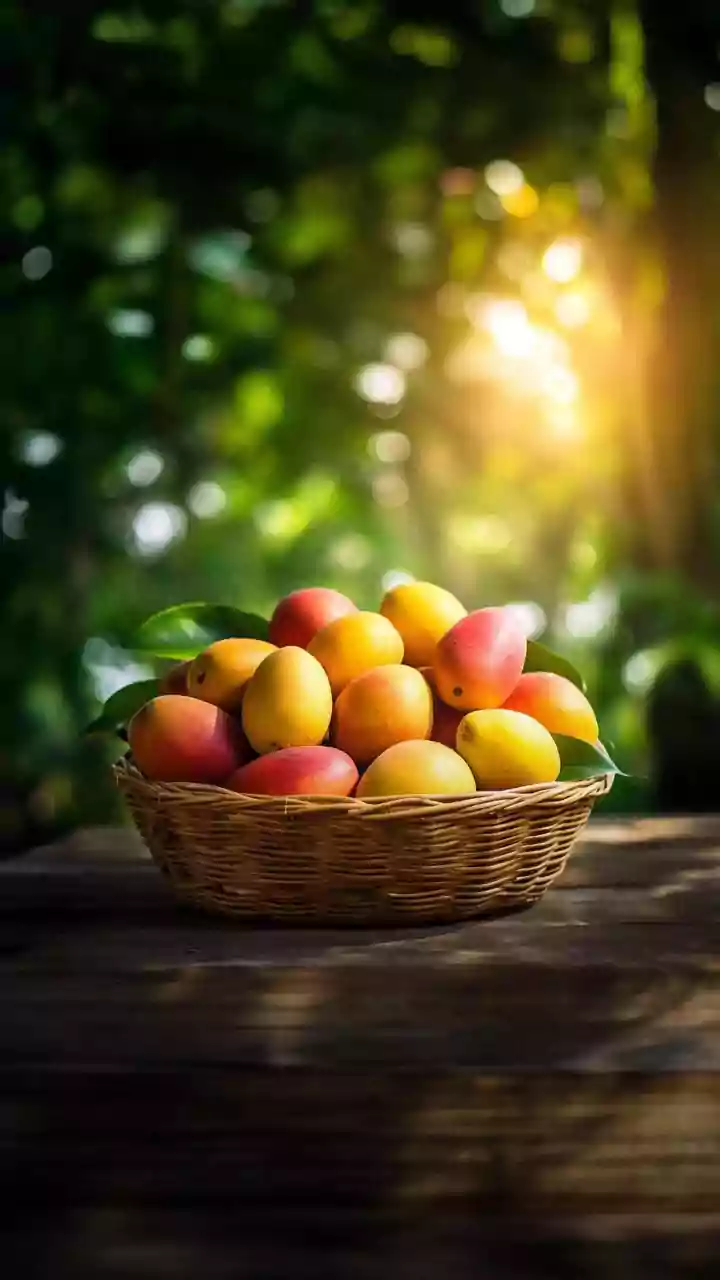
In India, the mango is not merely a food item; it’s an experience, a cultural touchstone steeped in nostalgia and national pride. With over a thousand varieties, from the famed Alphonso to the sweet Kesar, mangoes represent the very essence of summer,
family, and homeland. This deep emotional connection explains why the long-standing absence of Indian mangoes from American markets was felt not just as a trade barrier, but as a slight. For the vast Indian diaspora in the United States, the inability to buy the authentic taste of home was a persistent reminder of the distance between the two nations. This cultural weight transformed the mango from a simple agricultural commodity into a high-stakes diplomatic symbol. Every failed negotiation and regulatory hurdle was a small but noticeable friction point in the larger relationship.
The Long Road to American Markets
The story of the mango’s exile began in 1989. Citing concerns over invasive pests like the fruit fly, the US Department of Agriculture (USDA) banned imports of fresh Indian mangoes. American regulators worried these pests could devastate domestic agriculture, particularly in states like California and Florida. For nearly two decades, the ban held firm. The primary solution proposed by the US was irradiation, a process of treating the fruit with ionizing radiation to sterilize any pests. While effective, India initially lacked the certified facilities and infrastructure to meet the strict American standards. The years that followed were marked by painstaking negotiations, with Indian officials arguing the measures were a form of protectionism, while US officials insisted they were based on science. This long-running disagreement became a classic example of how non-tariff barriers can stall trade and create diplomatic friction.
A Sweet Diplomatic Breakthrough
The breakthrough finally came in the mid-2000s, famously linked to a high-level state visit. During his 2006 trip to India, then-US President George W. Bush tasted an Alphonso mango and reportedly called it a “hell of a fruit.” This moment became the folksy symbol of a wider agreement taking shape. As part of a landmark civil nuclear deal, the two countries also hammered out a framework to resolve trade irritants. India agreed to the irradiation requirements and, in a common feature of such deals, also opened its market to American products like Harley-Davidson motorcycles. The first shipment of Indian mangoes arrived in the US in April 2007 to great fanfare. However, the process remained cumbersome, often requiring US-based inspectors to travel to India, a system that proved fragile and was completely halted during the COVID-19 pandemic, creating another temporary ban.
From Trade Irritant to Soft Power Tool
The recent "win" is the culmination of efforts to move beyond this fragile system. By streamlining inspection protocols and fostering greater trust, the mango trade has become smoother and more robust, a concept often called "mango diplomacy." Exports to the US have surged, growing an astonishing 130% in fiscal year 2024 alone. Indian consulates now host "Mango Magic" promotional events, drawing importers and officials to celebrate the fruit's arrival, with retailers like Costco beginning to stock them. This is a textbook case of gastrodiplomacy—using food as a tool to foster cultural understanding and create positive associations. In Washington, where perception is reality, the ability to resolve a long-standing, culturally significant issue is seen as a sign of a mature and functional partnership. It demonstrates that India and the US can work through complex regulatory issues to achieve a mutually beneficial outcome.