



More Than Just Swinging a Weight
So, why has this single movement become a staple in gyms everywhere? The kettlebell swing is celebrated for its efficiency. It targets the entire posterior chain—the network of muscles on the back of your body, including your glutes, hamstrings, and back muscles.
Strengthening these muscles is crucial for improving posture and can help alleviate lower back pain. But it's not just a strength exercise. The explosive nature of the swing gets your heart rate up quickly, making it a fantastic cardiovascular workout that improves aerobic capacity and burns calories. This unique combination of strength and cardio means you are building power, endurance, and dynamic balance all at once.
The Anatomy of a Perfect Swing
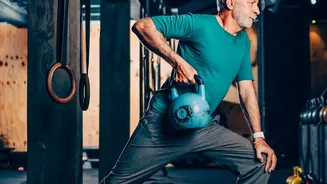
The secret to a safe and effective swing isn't in your arms; it's in your hips. The movement is fundamentally a 'hip hinge', not a squat. To perform it correctly, start with your feet shoulder-width apart and the kettlebell slightly in front of you. Bend at your hips, keeping your back flat, and grip the handle with both hands. 'Hike' the kettlebell back between your legs, then explosively drive your hips forward, squeezing your glutes to propel the bell upward. Your arms should act like a pendulum, guiding the weight up to about chest height. At the top of the swing, your body should form a straight, solid plank. Allow the bell to swing back down, hinging at your hips as it travels between your legs to begin the next rep.
Common Mistakes and How to Fix Them
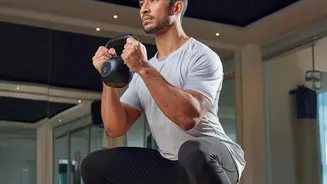
Many people new to the exercise make a few common mistakes that rob them of the benefits and increase the risk of injury. The most frequent error is turning the swing into a squat by bending the knees too much. Remember to push your hips back, not down. Another issue is using your arms to lift the weight. The power should come almost entirely from the explosive hip drive. Your arms are just there to guide the bell. Also, watch out for overextending your back at the top of the movement. Instead of leaning back, focus on creating a rigid plank by engaging your core and glutes. Finally, ensure you hinge at the right moment. Wait until your forearms are about to connect with your groin before hinging your hips back; hinging too early can strain your lower back.
Getting Started Safely
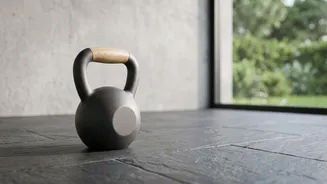
Before you even pick up a kettlebell, it's wise to practice the hip hinge movement without any weight to master the fundamental motion. When you are ready for weight, selecting the right size is critical. Starting too heavy is a common cause of poor form and injury. For beginners, a general guideline is for women to start with 8-12 kg and men with 12-16 kg. It's far better to master the technique with a lighter weight than to struggle with one that's too heavy. Pay attention to your breathing, exhaling forcefully as you drive the hips forward and inhaling as the bell swings back down. If you're unsure about your form, consider working with a certified fitness professional who can provide personalised feedback.