

Dirang: The Gentle Gateway
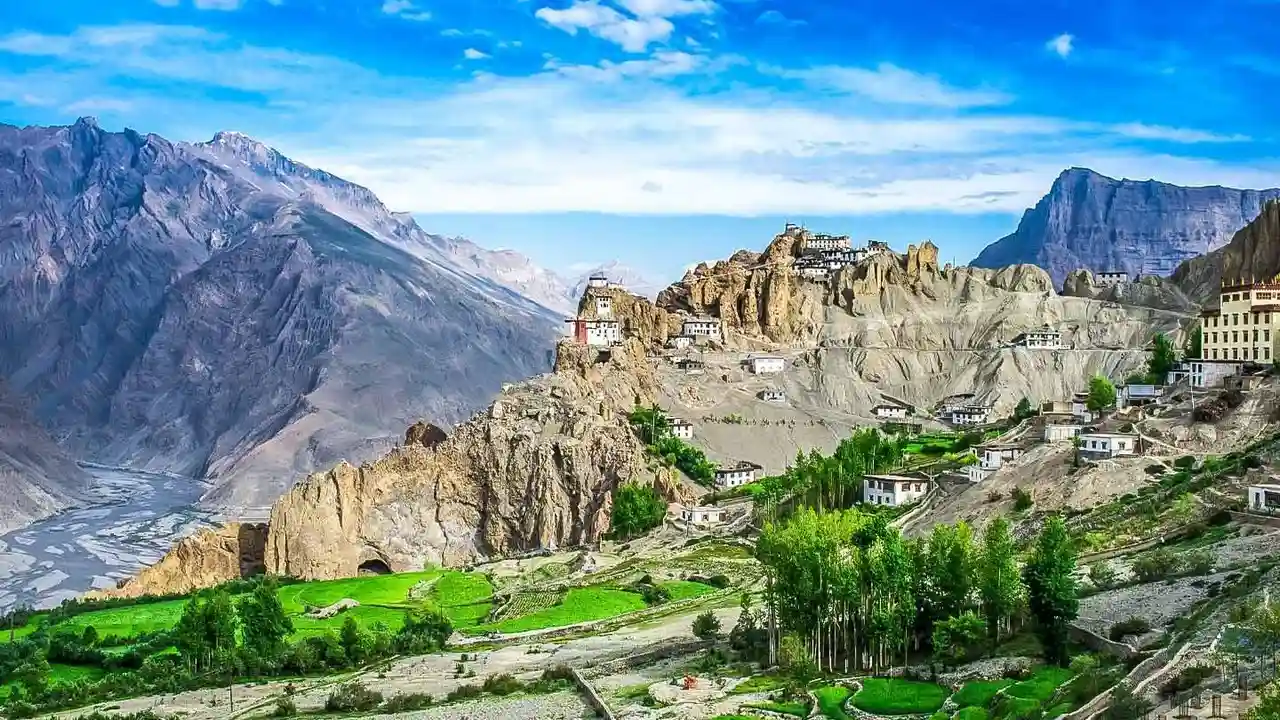
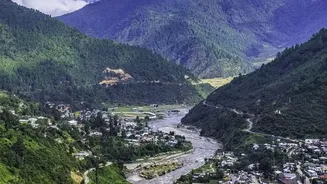
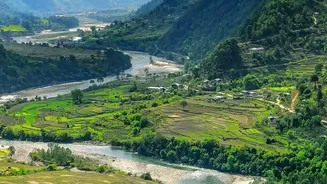
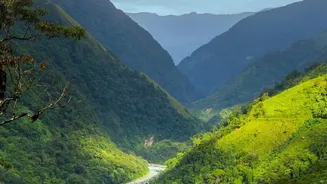
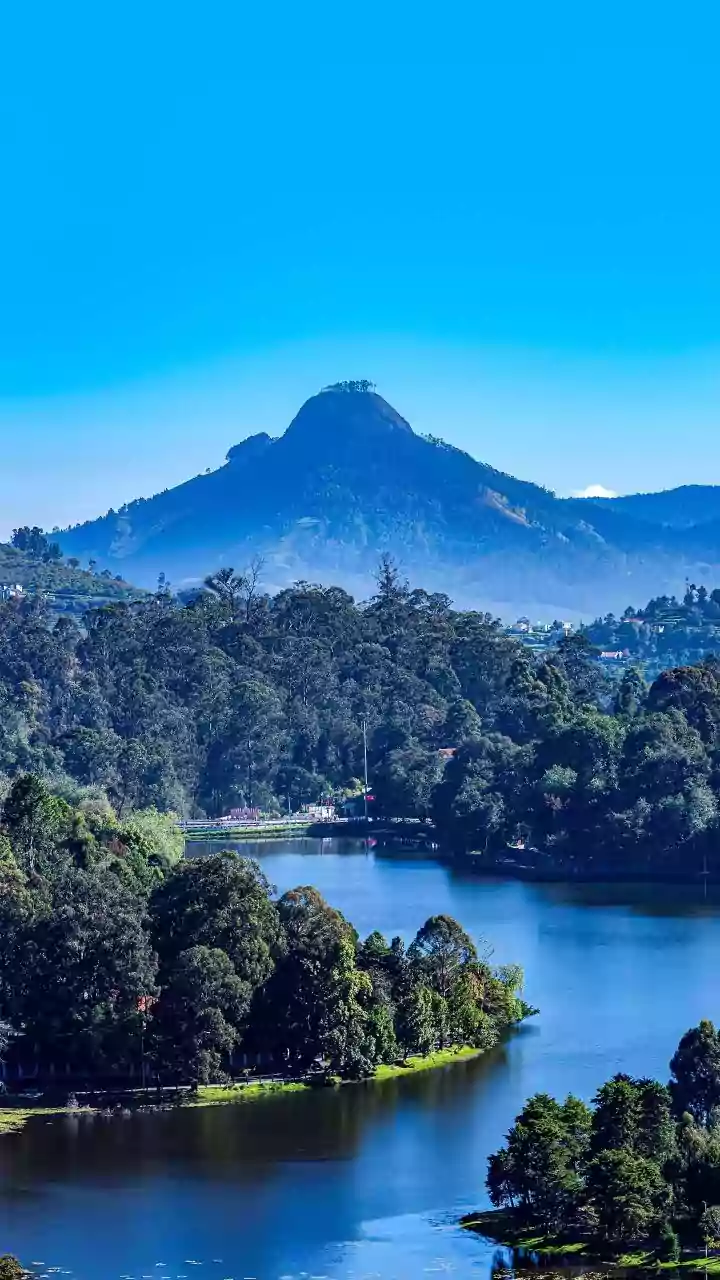
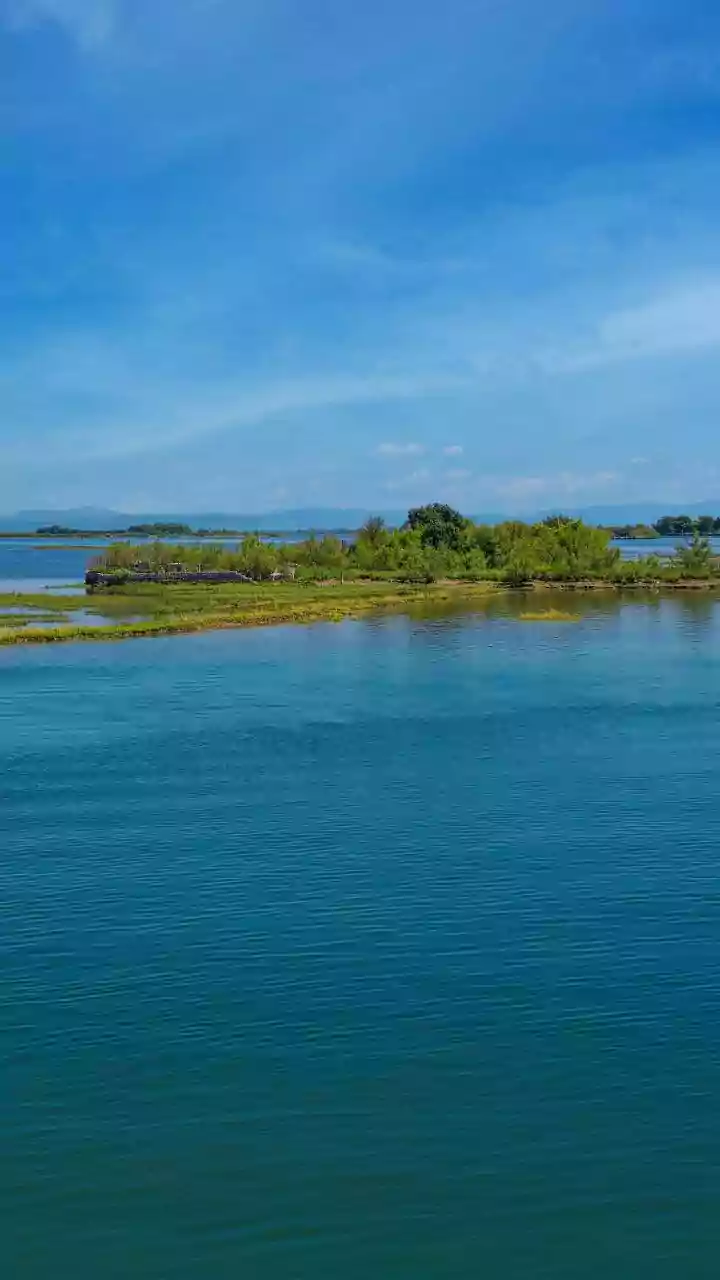
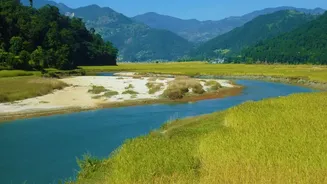
Every great expedition has a starting point, a final outpost of comfort before the true adventure begins. For the journey to Mago, that place is Dirang. Nestled in the West Kameng district, the Dirang valley is a picturesque landscape of rolling hills,
kiwi orchards, and the calming presence of the Dirang River. It serves as a crucial acclimatisation stop, sitting at an altitude of around 1,500 metres, allowing travellers to adjust before ascending into the oxygen-thin air of the Himalayas. But it’s more than just a logistical halt. With its historic dzong (fort), vibrant monasteries, and natural hot springs, Dirang is a destination in its own right, offering a final taste of tranquility before the rugged, seven-to-nine-hour drive to Mago commences.
The Road to the Sky
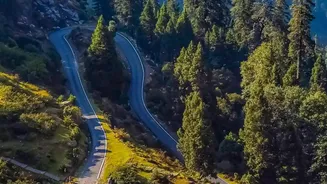
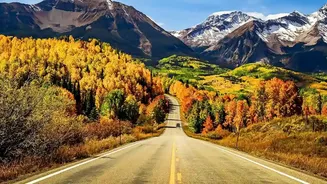
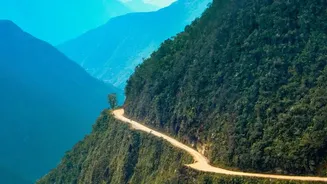
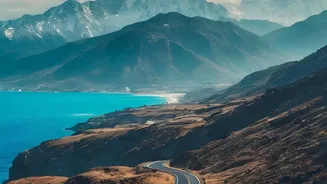
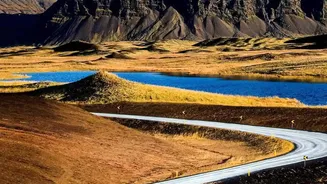
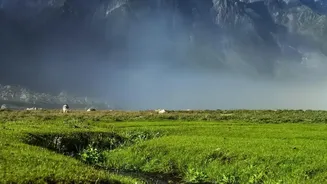
Leaving Dirang, the road begins its relentless climb. The journey is a spectacle of shifting landscapes, a visual narrative that some travellers now compare to the famed routes of Ladakh and Spiti. The road winds through the Sela Pass, a high-altitude corridor that connects the Tawang district with the rest of India and is a marvel of engineering. The scenery is a dramatic mix of misty mountains, dense pine forests, and roaring waterfalls that carve their way through the terrain. This is not a casual drive; it's an undertaking that requires a capable vehicle, precise planning, and an Inner Line Permit (ILP) just to enter the state. The drive itself becomes the highlight, a constant unfolding of raw, unfiltered nature where every turn reveals a new vista more breathtaking than the last.
Mago: A World Apart
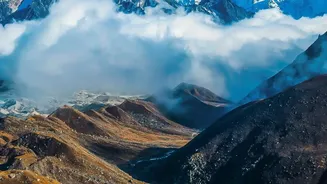
After hours of navigating the demanding terrain, you arrive at Mago, a place that feels less like a destination and more like a different era. Perched at an elevation of 3,520 metres, Mago is a remote village in the Thingbu Circle of Tawang district. It is home to a small community of around 486 people from the Monpa tribe, whose lives are intrinsically tied to the land and their herds of over 1,000 yaks. This is not a tourist hub; it’s a working village at the edge of India, situated near the confluence of several rivers that form the Mago Chu. The air is thin, the silence profound, and the landscape is defined by raw, rocky peaks and deep river gorges. Life here is simple, revolving around yak herding and, during the summer, the collection of the highly valued caterpillar fungus, or 'Keeda Jadi'.
The Allure of the Untouched
So, what is Mago's appeal? It lies precisely in what it lacks. There are no bustling markets or tourist-centric cafes. Accommodation is limited to a basic government guest house and a handful of homestays, offering an authentic glimpse into local life rather than curated comfort. Visitors come here for the high-altitude adventure, the untouched beauty, and the profound sense of isolation. They come to see a way of life that has persisted for generations in one of the country's least-explored corners. The allure is in its authenticity—the opportunity to witness a community living in harmony with a harsh but beautiful environment, far from the noise of the modern world. It’s a journey for those who seek not just sights, but perspective.
A Fragile Frontier
The increasing accessibility of places like Mago, often a byproduct of strategic border road development, presents a classic dilemma: how to open up a region to the world without destroying the very qualities that make it special. Mago's appeal is intrinsically linked to its remoteness and pristine condition. As more travellers discover this hidden gem, the challenge for both authorities and visitors will be to ensure that tourism remains sustainable and respectful. The journey from Dirang to Mago is more than just a road trip; it's a passage into a fragile ecosystem and a unique culture. Its future appeal will depend on preserving the delicate balance between discovery and conservation, ensuring that India's wild eastern frontier remains a sanctuary for generations to come.