
Mount Etna, Italy: Europe's Active Giant
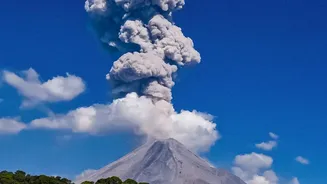
Looming over the island of Sicily, Mount Etna is one of the most active volcanoes in the world, offering a dynamic landscape of lava fields, craters, and steam vents. The experience is thrilling, but access is strictly managed. For tourists who follow
the rules, Etna is not considered especially dangerous. Italian law mandates that visitors must be accompanied by a certified alpine or volcanological guide to access the upper zones and summit craters. Access is organized in tiers, with the lowest slopes open for independent hiking. Higher access is managed via a cable car and specialised 4x4 vehicles, but the final ascent is guide-only. Italy's National Institute of Geophysics and Volcanology provides constant monitoring, and tours are modified or cancelled well in advance if activity levels rise, ensuring visitor safety is the top priority.
Kīlauea, USA: Hawaii's Fiery Heart
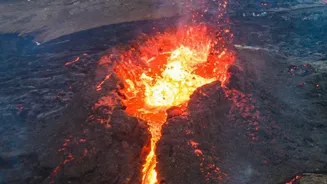
Located within Hawaiʻi Volcanoes National Park, Kīlauea is famously active, offering some of the most accessible volcano-viewing on earth. The park infrastructure is designed for visitor safety, with numerous overlooks and marked trails along the crater rim, situated safely above active vents. However, volcanic activity can change at any time, and the park enforces strict closures on any areas deemed hazardous. Visitors are urged to stay on marked paths, avoid cliff edges, and heed all signage. Hazardous volcanic gases are a real concern, particularly for those with respiratory issues, and the park provides air quality updates. By following the clear guidelines set by the National Park Service and USGS scientists, visitors can safely witness the creation of new land.
Mount Bromo, Indonesia: A Sunrise Over the Sand Sea
The iconic sunrise over Mount Bromo in East Java is a bucket-list item for many travellers. While Bromo is an active volcano, it is generally considered safe for tourism when proper precautions are taken. The Indonesian Center for Volcanology closely monitors its activity and issues alerts. Access to the vast Tengger caldera, known as the "Sea of Sand," is typically done via pre-booked 4WD jeeps with local drivers who are experts in the terrain. From the drop-off point, a short walk and a climb of about 250 steps lead to the crater rim. Visitors are advised to wear masks to protect against volcanic ash and to check the volcano's status before their trip. The experience is a blend of natural wonder and cultural significance, as the volcano is sacred to the local Tenggerese people.
Mount Fuji, Japan: The Iconic Climb
Climbing Japan’s highest and most famous peak is a cultural pilgrimage, but one that is highly regulated for safety. The official climbing season is short, typically from early July to early September, when the mountain is usually free of snow and weather is most stable. Attempting to climb outside this season is extremely dangerous. There are four main trails, each with different characteristics and difficulty levels, and climbers are urged to choose one that matches their fitness. To manage crowds and ensure safety, regulations may require climbers to pay a fee in advance. Rules of etiquette are also enforced, such as staying on the trail to prevent rockfalls and packing out all trash to preserve the mountain's pristine environment.
Thrihnukagigur, Iceland: A Journey to the Center of the Earth
For a truly unique volcanic experience, nothing compares to descending inside the magma chamber of a dormant volcano. Thrihnukagigur, near Reykjavik, last erupted 4,000 years ago, and is considered a safe and stable site for this incredible journey. Access is possible only through guided tours, which ensures that all safety procedures are strictly followed. The journey involves a moderate hike across a lava field to the crater. From there, visitors are fitted with helmets and harnesses before descending 120 meters into the cavernous magma chamber on an open elevator system. All equipment and procedures are tested and approved by Icelandic health and safety authorities, and expert guides are with you at all times.
Arenal, Costa Rica: The Postcard-Perfect Cone
Once one of the world's most active volcanoes, Arenal entered a resting phase in 2010. Today, it stands as a stunning, perfectly conical landmark in Arenal Volcano National Park. While climbing the volcano itself is strictly forbidden for safety reasons, the surrounding area offers a wealth of spectacular and safe experiences. The national park features numerous hiking trails that wind through rainforests and old lava fields, offering incredible views of the colossal peak. The region is also famous for its natural hot springs, geothermally heated by Arenal's past activity, which provide a relaxing way to appreciate the volcano's power from a safe distance. The combination of lush biodiversity, scenic trails, and clear rules makes Arenal one of the safest and most rewarding volcanic destinations.