









The Allure of the Unknown
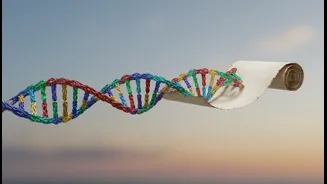
The boom in at-home DNA testing is fuelled by a deeply human curiosity. We want to know where we come from. For a relatively small price, companies promise to connect us with our heritage, build out our family trees, and maybe even find a few distant
cousins. It’s an exciting prospect—a chance to add colour and detail to our personal story. For many, the results confirm long-held family lore or add fascinating new branches to their ancestral tree. But hidden within the millions of data points is a simple truth these tests are marketed on: they reveal biological connections. And sometimes, those connections are not what we expect.
When the Story Suddenly Changes
An unexpected result can arrive quietly in an email, but its impact can be explosive. Discoveries of a “non-paternity event” (NPE)—finding out the person who raised you is not your biological father—or the existence of previously unknown half-siblings are surprisingly common. The immediate emotional response is often a mix of shock, confusion, and disbelief. Studies show that these revelations can trigger significant psychological distress, including symptoms of anxiety, grief, and a destabilised sense of identity. The family narrative you’ve built your life upon is suddenly called into question, leading to a profound sense of loss for the story you thought was yours. Feelings of anger and betrayal are also common, especially if it becomes clear a family secret was intentionally kept.
Preparing for the Difficult Conversation
If you find yourself holding a piece of information that could unravel your family's fabric, the burden of what to do next can be immense. Experts suggest pausing before acting. Your first step isn't to confront, but to process. Give yourself time to sit with the news and your own feelings. Before approaching family, consider your goal. Are you seeking answers, connection, or acknowledgement? Your objective will shape the conversation. It’s often advised to start with the person you feel safest with or who is most likely to be receptive. When you do talk, choose a private, calm setting and speak from your own perspective, using “I” statements like, “I received some information that is confusing, and I need your help to understand it.” This is less accusatory than leading with the revelation itself. Be prepared for a range of reactions, from denial and anger to sadness and guilt. The conversation is just the beginning of a long process for everyone involved.
Navigating the Emotional Aftermath
The period following a DNA discovery is often fraught with tension. Relationships with parents and siblings can become strained as everyone grapples with the new reality. It's crucial to allow yourself and others grace. There is no right or wrong way to feel. For many, connecting with others who have had similar experiences is a lifeline. Online support groups and forums have become vital spaces for individuals to share their stories and find validation without judgment. It is also important to recognize when professional help is needed. Therapists and genetic counselors can provide a neutral space to navigate the emotional fallout. Genetic counselors, in particular, are trained not just in the science of DNA but also in the complex family dynamics and psychological impacts that come with these discoveries, helping you process the news and plan your next steps.
A New Definition of Family
While the initial shock can feel destabilizing, the journey doesn't always end in broken relationships. For some, it leads to a new, more honest understanding of their family. It can open the door to forming relationships with newly discovered biological relatives, creating a richer, more complex family tapestry. The process forces a re-evaluation of what family means. Is it defined strictly by blood, or by the love, support, and shared experiences of a lifetime? Many find that their identity isn't erased, but rather expanded. They learn to hold two truths at once: honouring the family that raised them while integrating the new reality of their genetic origins. The journey is one of rebuilding and redefining, creating a personal narrative that is authentic to a new and more complete truth.