





The Lowdown on Pilates
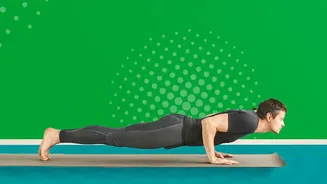
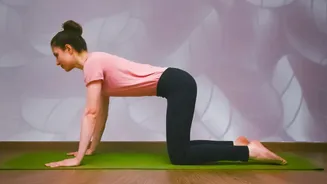
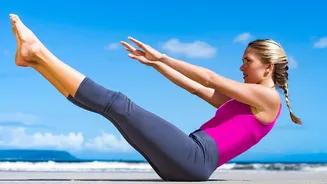
Pilates is a low-impact exercise method that emphasises controlled movements, precise execution, and correct breathing. Developed by Joseph Pilates, its primary focus is on strengthening the bod y's 'powerhouse'—the deep core muscles including the abdominals,
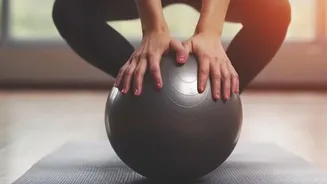
lower back, pelvic floor, and hips. Instead of high-energy bursts, a typical Pilates session, whether on a mat or a reformer machine, involves slow, deliberate exercises that build strength, improve posture, and increase flexibility. Every movement is designed to engage and stabilise the core, making it a powerful tool for developing foundational strength and body awareness.
Understanding Circuit Training
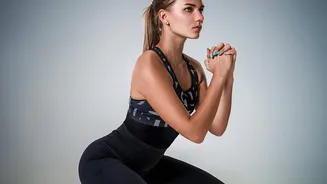
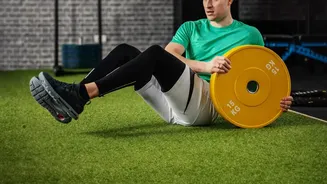
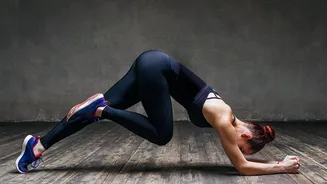
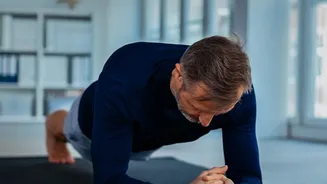
Circuit training is a completely different beast. It's a form of full-body conditioning that involves performing a series of different exercises in quick succession with minimal rest in between. A typical circuit might include 5 to 10 exercises—like push-ups, squats, planks, and jumping jacks—that target different muscle groups. This format keeps your heart rate elevated, combining both strength training and cardiovascular exercise into one efficient, high-energy session. The goal is to maximise calorie burn and improve overall fitness in a short amount of time, usually 30 to 45 minutes.
Goal: Deep Core Strength and Stability
If your main objective is to build a rock-solid core from the inside out, Pilates has the clear edge. It excels at targeting the deep, stabilising muscles like the transversus abdominis and multifidus, which wrap around your trunk and support the spine. This focus on deep muscle activation is what makes Pilates so effective for improving posture, enhancing balance, and reducing the risk of back pain. While circuit training does engage the core, particularly during exercises like planks, its primary focus is on larger muscle groups and overall conditioning rather than the nuanced, deep-core work that is the hallmark of Pilates.
Goal: Weight Loss and Calorie Burn
When it comes to shedding pounds, the high-intensity nature of circuit training makes it the more effective choice. By keeping your heart rate up and engaging multiple large muscle groups, circuit workouts burn a significant number of calories in a short period. According to Harvard Medical School, a 70 kg person can burn nearly 300 calories in a 30-minute session. Pilates, being a lower-impact and less cardiovascularly intense activity, burns fewer calories in comparison. While it can contribute to a leaner appearance by improving posture and muscle tone, circuit training is the more powerful engine for fat loss.
Goal: Muscle Tone and Definition
Both workouts can lead to a more toned physique, but they achieve it differently. Circuit training, especially when it incorporates weights, is designed to build strength and can increase muscle mass, leading to a more defined and sculpted look. It's effective for building strength in the chest, arms, and legs. Pilates, on the other hand, is known for creating long, lean muscles. It focuses on muscular endurance and balanced development, toning the body without adding bulk. If you're looking for visible muscle growth, circuit training with weights is more direct. If you desire a leaner, more streamlined physique with improved posture, Pilates is an excellent choice.
So, Which Is Best For You?
The right choice truly depends on your individual goals, preferences, and current fitness level.
Choose Pilates if:
- Your primary goal is deep core strength, better posture, and improved flexibility.
- You are recovering from an injury or need a low-impact, joint-friendly workout.
- You want to enhance body awareness and develop a strong mind-body connection.
Choose Circuit Training if:
- Your main objective is weight loss and maximum calorie burn.
- You are short on time and want an efficient, full-body workout.
- You enjoy high-energy, fast-paced exercise and want to improve your cardiovascular health.