






Just when it seemed safe to get back in the water, Nvidia’s stock has reminded investors just how choppy the seas of AI can be. A dramatic surge on Monday gave way to renewed selling, leaving many wondering what’s really driving the volatility.
The Short-Lived Rebound
The week
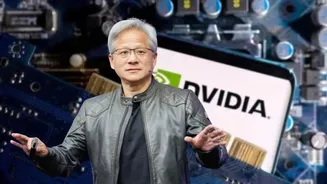
began on a high note for the AI chip giant. On Monday, November 23, Nvidia's shares soared over 30% after the board announced the stunning reinstatement of Jensen Huang as CEO, just 11 days after his resignation. This news initially quelled intense market anxiety that had built up around the company's leadership and direction, adding over $900 billion to its market value in a single day. Investors, who had been rattled by the sudden departure and ongoing investigations, saw Huang's return as a sign of stability, triggering a massive relief rally that lifted not only Nvidia but the broader tech market.
Why the Euphoria Faded So Fast
The optimism was fleeting. By Tuesday, the rally had reversed, with Nvidia's stock falling nearly 6%. This slide continued on Wednesday, with shares dropping another 3.9%. The reversal wasn't caused by a single event, but rather a convergence of persistent worries. A key factor was hotter-than-expected inflation data, which sparked fears that the Federal Reserve would continue to raise interest rates. Higher interest rates make it more expensive for companies to borrow money, a significant concern for the capital-intensive AI industry, which is spending trillions on data center buildouts. This macroeconomic pressure, combined with investors taking profits after Monday's massive jump, quickly ended the recovery.
More Than Just an Nvidia Problem
Nvidia's rollercoaster week is a symptom of a broader unease gripping the entire AI sector. Other major chip and AI-related stocks also fell, including AMD, Micron, and Oracle. Investors are grappling with fundamental questions about the long-term profitability of the AI boom. After a year of explosive growth, there are growing doubts about whether the massive investments in AI infrastructure can generate a sustainable return. The market is now extremely sensitive to any news that might threaten the sector's growth trajectory, from rising interest rates to concerns about the financing of major AI operators like Coreweave, whose high bond yields have spooked investors.
Uncertainty Remains the Only Certainty
Even with Jensen Huang back at the helm, Nvidia is not out of the woods. The company still faces ongoing internal and government investigations. The extreme swings in its stock price reflect this underlying fragility. One-month implied volatility for Nvidia shares, a measure of expected price swings, remains near 70%, more than double the level of other leading companies. Analysts are divided. While some have upgraded their ratings, citing the company's strong fundamentals and growth forecasts, others remain cautious, pointing to the unresolved investigations and governance concerns as major risks. This divergence highlights the deep uncertainty that continues to cloud the company's future.