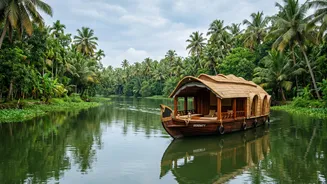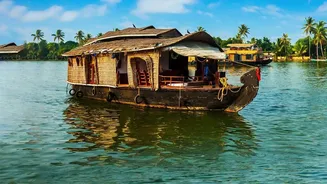

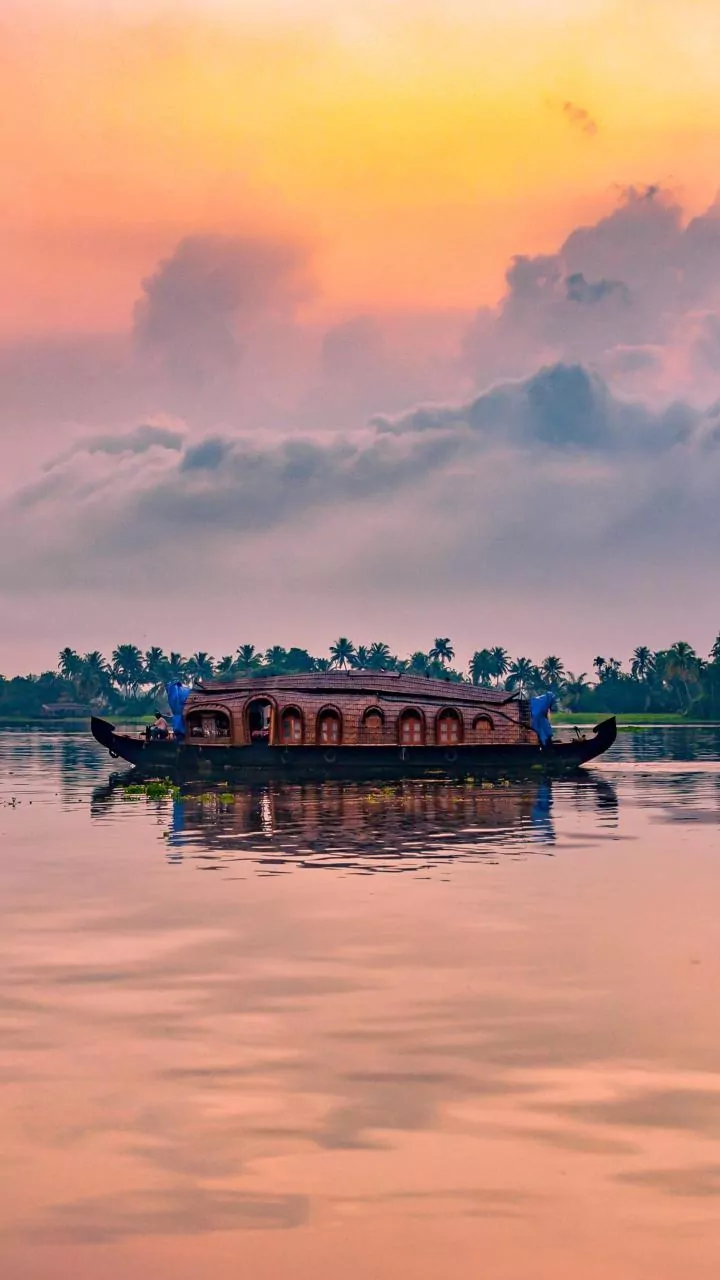


Introducing the 'Green Marshals'
The latest significant development is the launch of the 'Green Marshal' initiative, set to roll out officially on October 9, 2026. This program will deploy a dedicated, trained local workforce at key tourist destinations across the state. Their role is multi-faceted:
they will assist tourists, monitor safety, ensure facilities are functional, oversee waste management, and help protect the local environment. This isn't just about keeping places clean; it's about creating a formal system for day-to-day destination management, addressing issues as they arise and ensuring a seamless, safe, and sustainable visitor experience. The initiative is also a direct response to changing travel patterns, with a special focus on enhancing safety for the growing number of solo female travellers.
Building on a Legacy of Responsibility
The Green Marshal program is not a sudden development but the logical next step in Kerala’s long and celebrated journey with its Responsible Tourism (RT) Mission. For years, the state has been a global pioneer in a model that places local communities, culture, and nature at the heart of its tourism strategy. Unlike mass tourism, which can strain resources and alienate residents, Kerala's model focuses on connecting tourism businesses with local farmers, artisans, and guides. This ensures that economic benefits stay within the community, preserving cultural heritage and creating sustainable livelihoods. Initiatives like the Thenmala Ecotourism Project, India's first planned ecotourism destination, and the award-winning STREET project in Kumarakom have already earned Kerala numerous international accolades, cementing its reputation as a leader in the field.
What This Means for Local Communities
The significance of the Green Marshal initiative extends deep into local economies. In its first phase alone, the program is expected to create around 180 new jobs, offering employment to local youth between the ages of 20 and 40. This aligns perfectly with the core philosophy of the Responsible Tourism Mission, which is to generate income opportunities for residents through tourism activities. By employing locals to protect and manage their own environments, the initiative fosters a powerful sense of ownership and pride. It transforms residents from passive hosts into active stakeholders in the tourism ecosystem. This model has already proven successful in empowering women-led enterprises, artisan groups, and small-scale entrepreneurs across the state, making tourism a tool for inclusive growth.
A Better, Safer Trip for Travellers
For visitors, the presence of Green Marshals translates into a more comfortable, secure, and enriching travel experience. Knowing that a trained, official point of contact is available can make a huge difference, particularly for those exploring new areas alone. The marshals' duties go beyond just safety; their focus on maintaining facilities, ensuring cleanliness, and protecting the natural beauty of each site means travellers get to experience destinations at their best. This initiative reinforces Kerala's image as a destination that genuinely cares for both its visitors and its natural assets. It elevates the travel experience from a simple transaction to a meaningful interaction with a place that is actively working to preserve its soul.
Setting a New Global Standard
In an era where overtourism and environmental degradation are major global concerns, Kerala’s model offers a replicable blueprint for a better way forward. The Green Marshal initiative is a practical, on-the-ground execution of the principles of sustainable development. By formalizing destination management at a local level, Kerala is addressing the challenges of tourism head-on, rather than simply promoting its attractions. This proactive approach is why the state consistently ranks as a leader in sustainable tourism and has been recognised by global bodies like the UNWTO. The latest update is significant because it's not just about managing tourism; it's about leading it, proving that a destination can be both popular and protected.