






The Social Media Firestorm
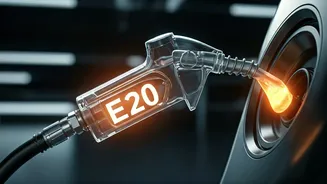
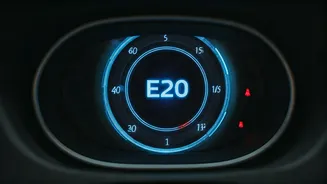
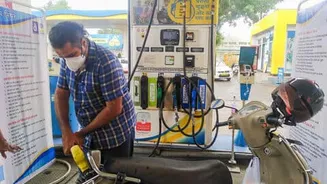
In recent weeks, social media platforms have been flooded with posts from concerned vehicle owners. These posts claim that E20 petrol—fuel blended with 20% ethanol—is causing a host of problems, from reduced mileage and engine damage to higher maintenance
costs. This online chatter has created significant anxiety for drivers across India, who are worried about the health of their vehicles and the money coming out of their pockets.
ARAI's Official Clarification
In response to the growing concerns, the Automotive Research Association of India (ARAI) held a press conference to set the record straight. Dr. Reji Mathai, the director of ARAI, stated that claims of widespread vehicle damage due to E20 fuel are not supported by evidence. He emphasized that the nationwide rollout of E20 fuel was preceded by extensive scientific studies and rigorous testing on both old and new vehicles. ARAI's evaluations, which covered long-distance durability tests, showed that E20 fuel does not cause adverse effects or serious damage to critical engine components.
Addressing the Mileage Question
One of the biggest concerns for consumers is fuel efficiency. ARAI acknowledges that ethanol has a lower energy content than petrol, which can result in a minor drop in mileage. Standard laboratory tests show this reduction is typically in the narrow range of 2% to 6% and does not impact overall engine performance or vehicle reliability. Dr. Mathai pointed out that real-world fuel consumption can vary widely based on external factors like driving habits, road conditions, and the general maintenance of the vehicle.
Why You Should Trust Your Dealer
ARAI's core message to consumers is to distrust unverified social media claims and consult professionals. Authorised service centres have not reported a significant increase in complaints linked to E20 fuel. If you are experiencing issues with your vehicle, the best course of action is to visit an authorized dealer. They have the diagnostic tools and trained technicians to identify the root cause of any problem, whether it's related to fuel or another issue entirely. They can provide manufacturer-approved solutions that won't void your warranty or cause further damage.
The Danger of Unapproved 'Fixes'
Following advice from unverified online sources can be risky. Dr. Mathai specifically warned consumers against installing aftermarket ethanol conversion kits. These kits are not approved by the government, and no regulatory framework for their use exists, meaning their safety and effectiveness are unproven. Attempting unverified modifications based on a social media video could lead to serious engine damage, costly repairs, and compromise your vehicle's safety systems.
Built for the Future
Vehicle manufacturers have been preparing for this transition. Newer vehicles are already engineered to be fully compatible with E20 fuel. ARAI confirmed that OEMs conducted their own rigorous tests, covering 40,000 to 60,000 kilometers, to ensure long-term engine health and reliability with the new fuel blend. This collaborative effort between ARAI, manufacturers, and oil companies was designed to ensure a seamless and safe transition for Indian consumers.