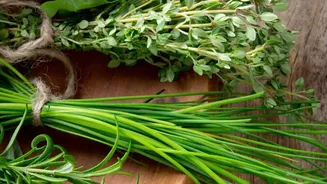








Why Balance Matters More Than Brute Force
We've all been there: a single bite of a curry or chutney that sets your mouth ablaze, overwhelming every other flavour. This is the work of capsaicin, the chemical compound in chillies that tricks our brain into feeling heat. While a kick of spice is often
desirable, too much of it can numb the palate. When your taste receptors are screaming “fire!” they can’t register the subtle, aromatic compounds from fresh coriander, mint, or basil. The goal of a great cook is to create a dialogue between ingredients, not a shouting match. A well-balanced dish allows the pungent warmth of the chilli to coexist with the bright, fresh notes of the herbs, creating a layered and complex experience rather than a one-dimensional burn.
Know Your Chilli, Respect Your Herbs
Not all green chillies are created equal. Varieties can range from mildly piquant to scorching hot. A little knowledge goes a long way. The seeds and the white inner membrane, or pith, contain the highest concentration of capsaicin. The flesh itself carries more of the chilli's actual flavour. On the other side, fresh herbs like coriander and mint get their character from volatile oils, which are delicate and easily overpowered. Think of capsaicin as a heavy bassline and herbal oils as the intricate melody. You need the bass for rhythm and depth, but if it's too loud, you'll never hear the song. Understanding this distinction is the first step toward mastering the balance.
Techniques for Taming the Flame
Controlling heat doesn't mean eliminating it. It's about precision. Your first and most effective tool is preparation. By simply removing the seeds and white membranes, you can significantly reduce a chilli's fire without losing its core flavour. For a gentler infusion, you can add whole, slit chillies to a dish and remove them before serving. Another technique is to manage when and how you add the chilli. Sautéing chopped chillies early in the cooking process mellows their heat, integrating it into the base of the dish. Conversely, adding a paste of fresh chillies and herbs at the end of cooking, as is common in many curries, preserves their fresh, raw intensity and vibrant aroma.
The Supporting Cast: Fat, Acid, and Sweetness
Chillies and herbs don't exist in a vacuum. Other ingredients are crucial for creating balance. Fat is your best friend when it comes to calming excessive heat. Compounds in dairy like yogurt and cream, or fats like coconut milk and ghee, bind with capsaicin molecules, effectively soothing the burn and allowing other flavours to come forward. Acidity, from ingredients like lemon juice, tamarind, or tomatoes, provides a different kind of balance. It cuts through the richness of fat and provides a bright counterpoint that can lift a dish and keep the heat from feeling flat or overwhelming. A touch of sweetness, from sugar or jaggery, can also round off the sharp edges of both heat and acidity, creating a more harmonious profile.
Building Flavourful Harmony in Practice
Consider a classic green chutney. It's a perfect case study in balance. The recipe combines fresh coriander and mint with green chillies, ginger, and lemon juice. The herbs provide the fresh, aromatic base. The chilli brings the heat, which is immediately tempered by the acidity of the lemon juice. A small amount of sugar is often added to balance the acid and heat. In a Thai green curry, the heat of bird's eye chillies is softened by the richness of coconut milk, allowing the fragrant notes of lemongrass and basil to shine. These classic combinations work because they follow the core principles of flavour balancing, using fat and acid to mediate the chilli's power and make space for the herbs.