




An Unprecedented Himalayan Catastrophe
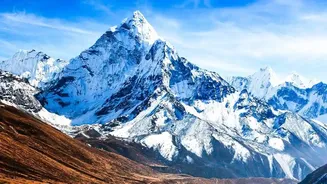
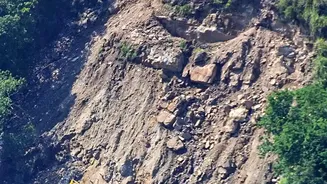
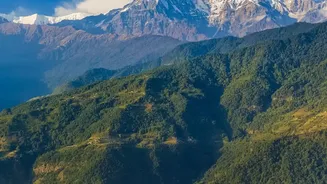
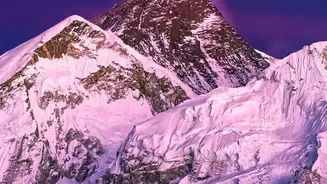
On August 26, 2026, a massive section of rock and ice collapsed from Langtang Lirung mountain on the Nepal-Tibet border. The collapse unleashed a torrent of debris—a mixture of water, ice, and rock—that travelled at astonishing speeds, reaching over 170
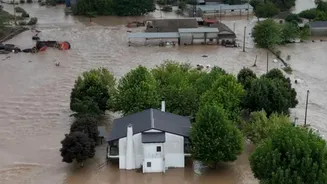
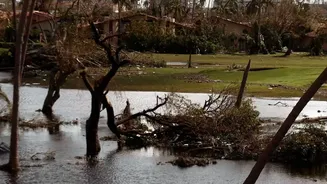
kilometres per hour. This was not a conventional flood but a cascading disaster that obliterated downstream settlements with almost no warning. The event killed over 1,300 people and left more than 5,000 missing, causing billions of dollars in damage and highlighting the extreme vulnerability of communities in the high Himalayas.
The Scientific Verdict: A Climate Fingerprint
A new report from the World Weather Attribution group, an international team of scientists, has established a clear connection to long-term global warming. While not the sole trigger, the study concludes that climate change was a crucial 'destabilising factor'. Researchers found that decades of rising temperatures have thinned glaciers and thawed permafrost—the permanently frozen ground that acts like cement for mountain slopes. This gradual thaw weakened the rock wall, making a catastrophic collapse more likely. One expert noted that while such large rock avalanches are rare, this event shows the limits of adaptation are already being reached.
How Warming Worsens Mountain Hazards
The mechanics are alarmingly simple. Scientists found that the freezing level in the Himalayas has been climbing by about 100 metres per decade. This exposes higher altitudes to more frequent and prolonged thaw cycles, allowing water to seep into rock fractures, freeze, and expand, progressively breaking the mountain apart. Furthermore, the period just before the collapse was exceptionally warm. July and August 2026 were the warmest on record locally, adding around 1.5°C to average temperatures due to climate change. This intense heat likely accelerated melting, adding stress to the already unstable slope. Experts also noted that more precipitation is falling as rain instead of snow, further contributing to instability.
A Sobering Warning for the Entire Region
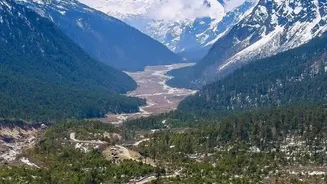
While this disaster occurred in Nepal, its implications resonate across the entire Hindu Kush Himalayan region, including India. States like Uttarakhand, Himachal Pradesh, and Arunachal Pradesh share similar geography and are exposed to the same climate-driven risks. The 2021 flash floods in Uttarakhand, also triggered by a rock and ice avalanche, serve as a stark reminder of this shared vulnerability. The Nepal study underscores that disaster preparedness can no longer focus only on conventional rainfall forecasting. It now requires an integrated approach that monitors the health of glaciers, permafrost, and mountain slopes in real time. As one scientist involved in the study stated, when warming destabilises the 'roof of the world,' no amount of local adaptation can fully protect people downstream.