







A Fever Our Planet Has Never Seen
Scientists have confirmed a troubling new milestone in our warming world. On August 22, 2026, the daily global average sea surface temperature, excluding the polar regions, hit 21.1 degrees Celsius. This figure, reported by the European Union's Copernicus
Climate Change Service, surpasses the previous record of 21.09°C set in March 2024. What makes this record particularly alarming is its timing. Typically, oceans reach their peak warmth in March, following the Southern Hemisphere's summer. Setting a new record in August signals an unprecedented accumulation of heat in the climate system, a clear sign that the ocean, which has absorbed over 90% of excess heat from greenhouse gas emissions, is under immense strain.
The Twin Drivers: Climate Change and El Niño
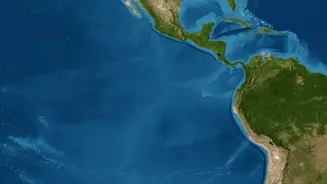
This record temperature isn't the result of a single cause but rather a dangerous combination of two powerful forces. The primary driver is the decades-long trend of human-driven global warming. Superimposed on this long-term heating is a strong and developing El Niño event in the Pacific Ocean. El Niño is a natural climate pattern characterized by warmer-than-average sea surface temperatures in the central and eastern Pacific. This natural cycle releases a vast amount of heat from the ocean into the atmosphere, pushing global temperatures even higher. Forecasts suggest that the current El Niño could become one of the strongest on record, which means its impacts, combined with underlying climate change, will be felt globally for months to come.
Why This Matters for India
While the 21.1°C figure is a global average, its consequences are intensely local. For India, with its extensive coastline and monsoon-dependent economy, the implications are severe. The Indian Ocean is one of the fastest-warming bodies of water in the world. This warming is leading to more frequent and intense marine heatwaves along India's coasts, threatening everything from the coral reefs in the Andaman and Lakshadweep islands to the fisheries that support millions of livelihoods. Warmer oceans also supercharge the atmosphere with moisture, which can lead to more erratic and extreme monsoon rainfall. This can disrupt agriculture, cause devastating floods, and threaten the nation's water security. Furthermore, warmer seas provide more fuel for tropical cyclones, potentially increasing their intensity and destructive power.
A Cascade of Consequences
The impacts of this ocean fever extend deep into marine ecosystems. Warmer water holds less oxygen and can lead to the expansion of 'dead zones' where life cannot be supported. It causes mass coral bleaching, where corals expel the vital algae living in their tissues, leaving them vulnerable to disease and death. Fish populations are forced to migrate to cooler waters, disrupting entire food chains and threatening the fishing industry globally. This disruption isn't just an ecological crisis; it's a direct threat to the food security of billions of people who rely on the ocean for protein. The increased heat also causes water to expand, a phenomenon known as thermal expansion, which is a major contributor to global sea-level rise, endangering coastal communities worldwide.