




The Magic of Water Propagation
At its heart, plant propagation is simply the process of creating new plants. While there are several methods, water propagation is arguably the most beginner-friendly and visually satisfying. It requires minimal tools—a cutting from a healthy plant,
a jar of water, and a little patience. Watching roots emerge and grow day by day is a fascinating process that connects you more deeply to your green companions. This method works incredibly well for many common houseplants, especially aroids like Pothos and Philodendrons, which are naturally adapted for it. The key is to provide the right conditions for a cutting to develop its own root system before it's planted in soil.
Choosing the Right Plant
Success begins with selecting the right plant. While not all plants enjoy rooting in water, many popular Indian houseplants are perfect candidates. Look for plants with soft, green stems rather than woody ones. Excellent choices for beginners include Pothos (Money Plant), Philodendrons, Spider Plants, Snake Plants, Wandering Dude (formerly Wandering Jew), and Coleus. These plants are resilient and tend to root relatively quickly, providing the encouragement a new propagator needs. Check your existing plants for healthy, vigorous growth. A strong mother plant will produce strong cuttings with a higher chance of success.
How to Make the Perfect Cut
Taking a proper cutting is the most critical step. Using a clean, sharp pair of scissors or pruners, identify a healthy stem. You’ll want to make your cut on a stem that is about 4 to 6 inches long. The most important element to include is a 'node'—the small bump on the stem where a leaf grows from. This is where the new roots will sprout. Make your cut just below a node. Once you have your cutting, remove the lower leaves, ensuring no leaves will be submerged in the water, as they can rot and introduce harmful bacteria. Leaving two or three leaves at the top is ideal for photosynthesis, which provides the energy for root growth.
Just Add Water and Light
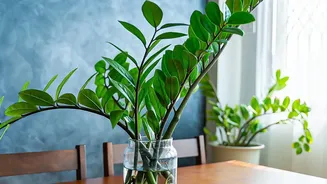
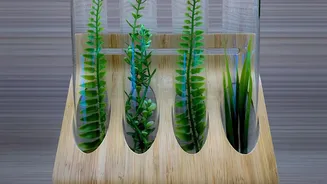
Place your prepared cutting in a clear glass jar or vase filled with room-temperature water. A clear container is not just for you to watch the roots grow; it also allows sunlight to reach the submerged part of the plant. Ensure the node (or nodes) are fully underwater, but keep the remaining leaves well above the waterline. Place the jar in a spot that receives bright, indirect light. Direct, scorching sunlight can be too intense for a fragile cutting, while too little light will slow down root development. Also, remember to change the water every few days or whenever it looks cloudy to keep it fresh and oxygenated, preventing bacteria from causing the stem to rot.
Patience and Watching for Progress
Now comes the waiting game. The time it takes for roots to appear varies widely depending on the plant. Some, like Pothos, may show tiny white roots within a week or two, while a Snake Plant cutting could take a couple of months. Don't be discouraged if you don't see immediate results. As long as the stem and leaves look healthy and green, the process is working. You're looking for the roots to grow to a substantial length before moving to the next stage. A good rule of thumb is to wait until the primary roots are at least two to four inches long. This ensures the root system is developed enough to support the plant once it moves to soil.
Making the Move to Soil
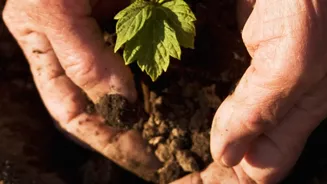
Transitioning from water to soil is a delicate step. The new 'water roots' are fragile and accustomed to a very different environment. Choose a small pot with a drainage hole that is appropriate for the size of your cutting. Fill it with a well-draining potting mix. Gently remove the cutting from the water and place it in a small hole you've made in the soil, being careful not to damage the new roots. Fill the pot with soil, gently patting it down to provide stability. Water the new plant thoroughly until water runs out of the drainage hole. For the first few weeks, keep the soil consistently moist (but not waterlogged) to help the roots acclimate from their aquatic home to their new life in soil.