




The Unbeatable Accessibility of Walking
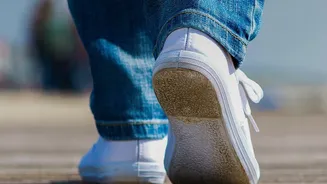
Walking is perhaps the most underrated form of exercise. Its greatest strength is its simplicity. It requires no special equipment beyond a comfortable pair of shoes, has a low risk of injury, and can be integrated into anyone's daily life. Walking is primarily
a cardiovascular activity. A consistent walking routine improves heart health, boosts circulation, and helps manage blood pressure. It is an excellent tool for weight management, as it burns calories and can be sustained for long periods. Beyond the physical, walking has proven mental health benefits, reducing stress and improving mood, especially when done outdoors. However, while it’s a fantastic foundation for an active lifestyle, it has its limits. Walking is a forward-moving activity that doesn't significantly challenge the upper body, improve flexibility, or correct underlying muscular imbalances.
The Core Power of Pilates
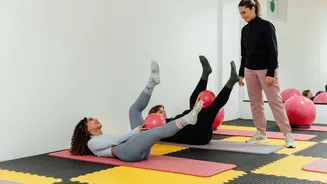
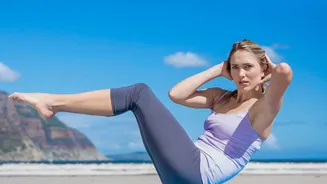
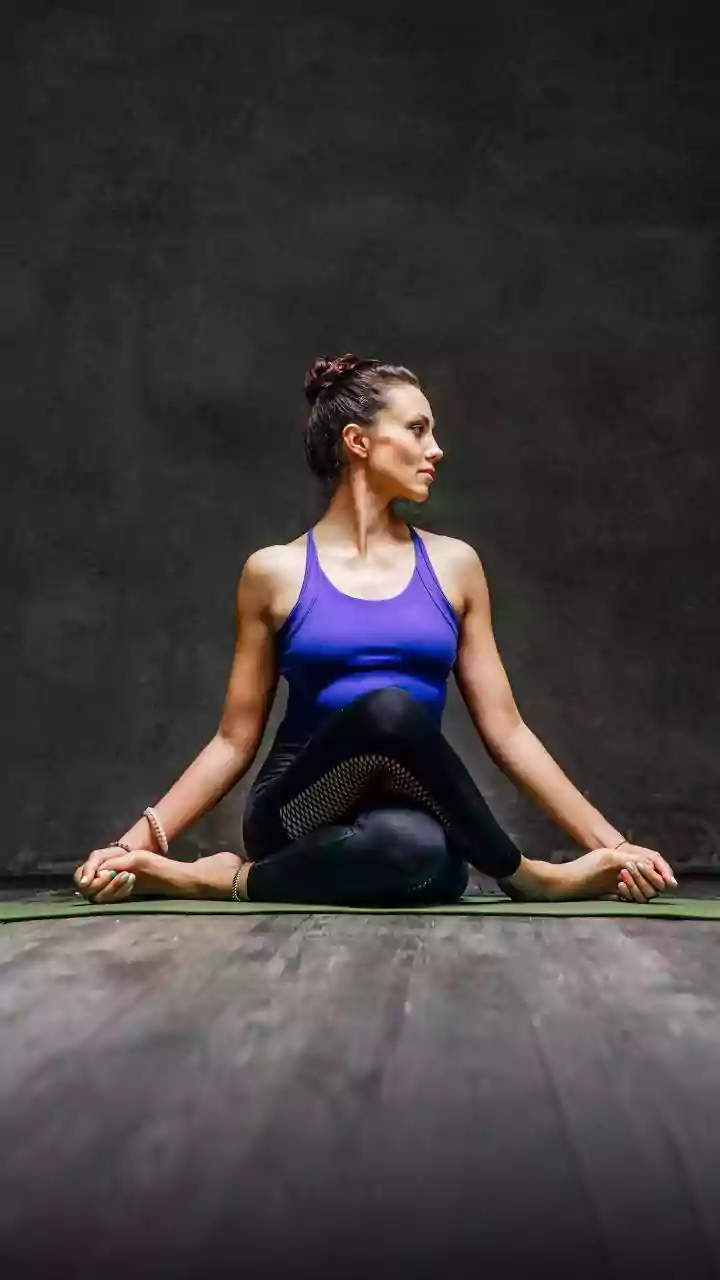
Pilates, whether on a mat or a reformer machine, operates with a different purpose. It is a form of low-impact strength training that focuses on core strength, flexibility, balance, and posture. The controlled, precise movements are designed to target the deep stabilizing muscles of the abdomen, back, and hips that are often neglected in other forms of exercise. This focus on the body's 'powerhouse' leads to better alignment, enhanced body awareness, and more efficient movement in daily life. For those who spend hours sitting at a desk, Pilates can be transformative in correcting poor posture, such as rounded shoulders and a tight back. While some fast-paced Pilates classes can elevate the heart rate, it is not typically considered a cardiovascular workout in the same way as walking. Its primary role is building a strong, resilient, and well-aligned foundation.
The Difference Is The Goal
The choice between walking and Pilates isn't about which is 'better,' but what you want to achieve. If your main goal is improving cardiovascular fitness, increasing your daily step count, and burning calories, walking is the more direct route. It’s a steady-state cardio workout that is easy to sustain. If your goals are to improve posture, build core strength, increase flexibility, and reduce aches and pains from muscular imbalances, Pilates offers targeted benefits that walking cannot. For example, walking strengthens bones through weight-bearing activity, but Pilates strengthens the muscles that support those bones and joints, improving overall stability. One builds endurance for movement, while the other refines the quality of that movement.
Stronger Together: A Complementary Approach
The most effective approach isn't to choose one, but to combine both. Walking and Pilates create a synergistic partnership that leads to more comprehensive fitness. Your walking provides the essential cardio, while Pilates builds the strong core and postural alignment needed to walk more efficiently and with less risk of injury. A strong core, developed through Pilates, provides stability on uneven terrain and helps you maintain good form over longer distances. Better flexibility from Pilates can also make walking more comfortable and reduce joint stiffness. Think of it this way: walking is the engine of your car, providing the power to go the distance. Pilates is the chassis and suspension, ensuring the car is aligned, stable, and running smoothly. By alternating walking days with Pilates sessions, you get a balanced routine of cardio and strength training that supports long-term health, mobility, and wellness.