






The Golden Rule: Only Ripe Bananas Allowed
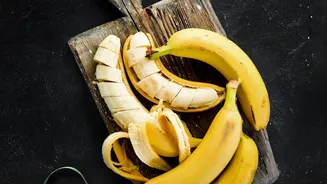
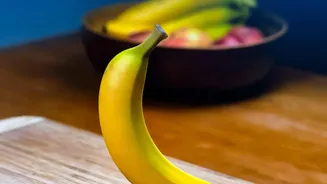
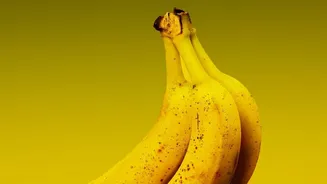
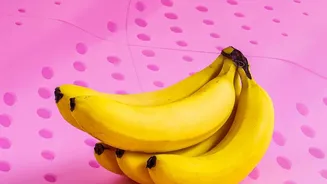
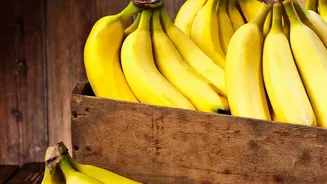
Before you move your entire bunch to the crisper drawer, there's a crucial rule to follow: only refrigerate bananas once they are fully ripe. A ripe banana is bright yellow, perhaps with a few small brown specks. Putting a green, unripe banana in the fridge
is a one-way ticket to disappointment. The cold temperature, typically below 13°C, effectively halts the ripening process. Chilling disrupts the enzymes that convert starches to sugars, meaning a green banana will likely stay firm, starchy, and flavourless, even as its peel turns dark. For bananas to develop their signature sweetness and soft texture, they must be allowed to ripen fully at room temperature first.
Why the Peel Turns Black (And Why It's Okay)
The most alarming part of refrigerating bananas is the dramatic transformation of the peel, which can turn a deep, unappetizing black within a day. This happens because the cold temperature causes something called 'chilling injury' to the peel's cells. The cold causes the cells to rupture, releasing enzymes that react with oxygen and create dark pigments, a process similar to how a cut apple browns. However, this is almost entirely a cosmetic issue. While the peel looks past its prime, the cold is actually preserving the fruit inside. The blackened peel is not a sign of spoilage; in fact, the flesh of the banana often remains perfectly firm, sweet, and ready to eat for several extra days.
The Science of Slowing Down
The magic behind this method lies in a plant hormone called ethylene gas. As bananas ripen, they produce ethylene, which signals the fruit to convert its starches into sugars, soften its flesh, and change the peel's colour from green to yellow. This process happens quickly at room temperature. When you place a ripe banana in the refrigerator, the cold air significantly slows down the production of ethylene gas. While the cold damages the peel's cells (causing the blackening), it puts the brakes on the ripening of the fruit itself. The flesh stops softening and converting sugars at a rapid pace, effectively pausing it in its perfectly ripe state for anywhere from a few days to a week longer than it would last on the counter.
How to Store Bananas for Peak Freshness
To make the most of this technique, timing and method are everything. Wait until your bananas have reached your preferred level of ripeness on the counter. For most, this is when they are uniformly yellow with the first appearance of brown freckles, which indicates peak sweetness. At this point, you can place the entire bunch or individual bananas directly into your refrigerator. Storing them in the produce drawer can be effective, but they don't require special bagging. Sealing them in a plastic bag may trap some moisture and ethylene, but the primary preservation factor is the cold temperature itself. The peel will darken, but the fruit inside will be waiting for you, ready for your morning oatmeal, smoothie, or snack.
Other Tips for a Longer Banana Life
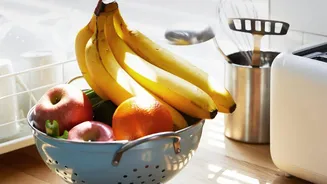
If you want to manage the ripening process even before the fridge comes into play, a few other tricks can help. To slow down ripening on the counter, separate the bananas from their bunch. Much of the ethylene gas is released from the stems, so breaking them apart reduces their shared exposure. Wrapping the stems in plastic wrap can also help trap some of the gas. Conversely, if you need them to ripen faster, place them in a paper bag. This concentrates the ethylene gas they naturally produce and speeds up the process. You can even add an apple or a ripe tomato to the bag, as they are also heavy ethylene producers. Hanging bananas on a special hook can also prevent bruising on the bottom, which creates soft spots and accelerates spoilage.