









A Milestone Mission
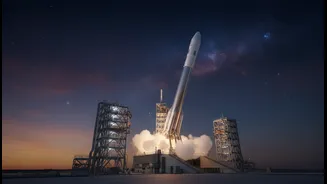
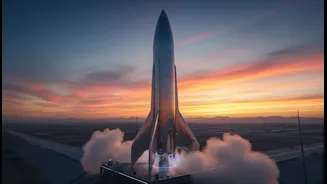
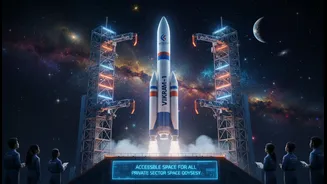
On July 18, 2026, the Vikram-1 rocket, developed by Hyderabad-based Skyroot Aerospace, lifted off from Sriharikota, making it India's first privately developed rocket to reach orbit. The mission, named 'Aagaman' (Sanskrit for 'arrival'), successfully
deployed customer satellites into a low Earth orbit of about 450 kilometres. This achievement, the result of reforms initiated in 2020 to open the sector, places India alongside the US and China as nations with private orbital launch capabilities. The Vikram-1 is a significant piece of hardware, built with an all-carbon composite structure and a 3D-printed liquid engine, designed to carry small satellites. Its success is the first major commercial proof point for an industry that has grown from just one startup in 2014 to over 400 in 2026.
From One-Offs to a Production Line
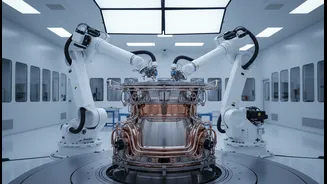
Until now, the primary challenge was simply getting to space. With Vikram-1's success, the focus is shifting from achieving singular milestones to building an industrial cadence. This is where "repeatable launch skills" become critical. The term refers to the expertise needed to launch rockets frequently, reliably, and cost-effectively, much like an airline operates its fleet. It involves a fundamental shift from a project-based mindset to a process-driven one. This includes proficiency in rapid manufacturing of rocket components, automated vehicle checkouts, and streamlined logistics at the launchpad. It also requires skills in data analytics to monitor the health of a fleet of rockets and expertise in refurbishment for any reusable components. This move is essential for serving the booming global market for small satellite launches, which demands a high frequency of flights rather than occasional, monumental missions.
The New Workforce Demand
Skyroot's achievement signals that India's space economy, projected to grow from around $8.4 billion to over $40 billion by the early 2030s, is entering a new phase of industrialization. This industrialization creates a powerful demand for a different kind of workforce. While ISRO has cultivated deep research and development talent for decades, the private industry's focus on scalability requires professionals with experience in high-volume manufacturing, supply chain management, quality control, and systems integration at scale. There's a growing need for software engineers, data analysts, and experts in automation and robotics. Professionals with skills in adjacent industries like automotive, aviation, and heavy engineering are becoming highly sought after. This demand is also pulling experienced talent from the state-led sector, with many ISRO scientists and engineers moving to private startups.
Building the Broader Ecosystem
The demand for repeatable launch skills extends beyond the launch companies themselves. It ripples through the entire supply chain. Small and medium-sized enterprises (SMEs) that once supplied bespoke components to ISRO are now being pushed to adopt modern manufacturing processes to deliver parts in higher volumes and with greater consistency. Universities and vocational institutes are facing pressure to update their curricula to produce graduates with hands-on experience in areas like composites manufacturing, avionics integration, and software for mission control. The government's space policy reforms and the role of IN-SPACe in facilitating private launches have been crucial in creating this environment. Now, the challenge is to build the human capital infrastructure to match India’s soaring space ambitions, ensuring a steady pipeline of technicians, engineers, and managers who can turn the dream of routine space access into a commercial reality.