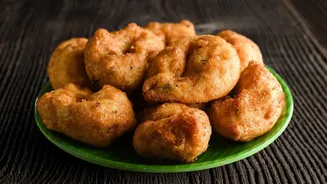

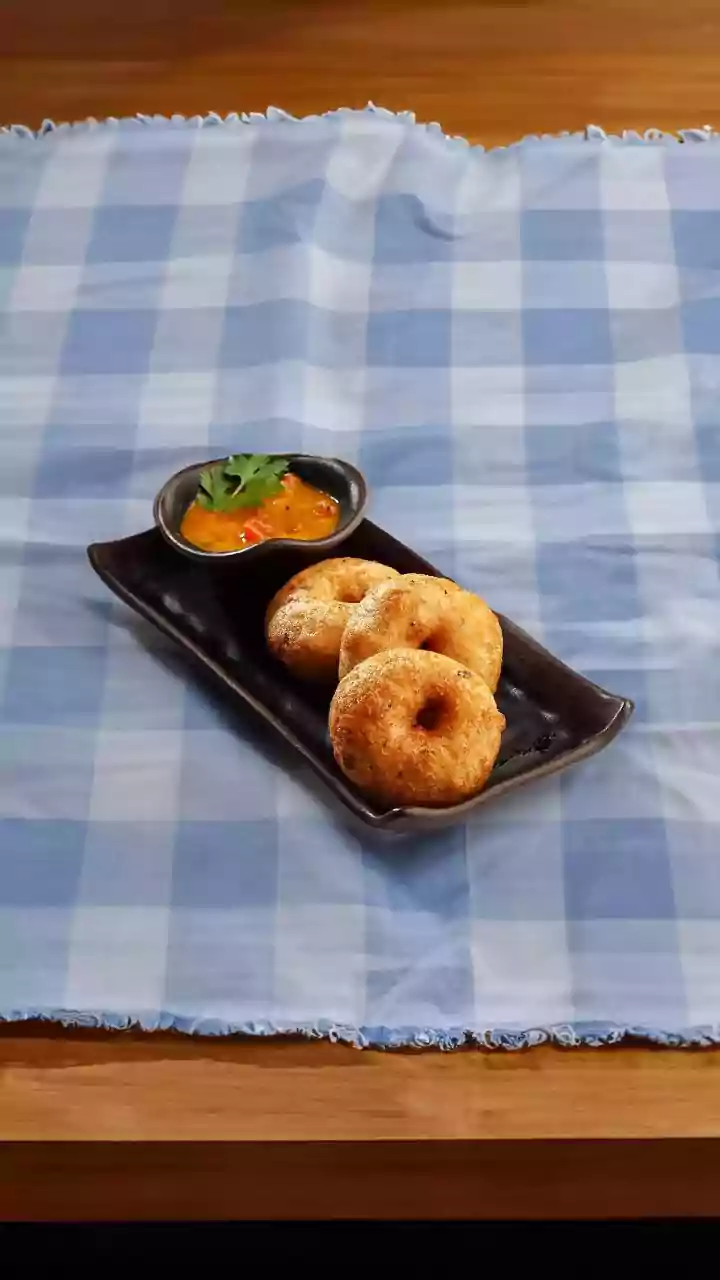
Imagine a golden-brown fritter, shattering with a satisfying crunch at first bite, revealing a steaming, pillowy-soft interior. This is the magic of the vada, a cornerstone of Indian cuisine that delights with every savoury mouthful.
The Soul of a Savoury Snack
Vada is a broad category
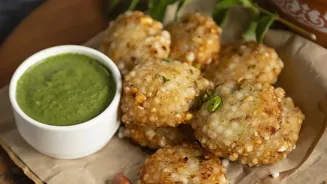
of savoury fried snacks, or fritters, native to India. While descriptions vary from dumplings to cutlets, the essence remains the same: a delicious, deep-fried delight that can be made from legumes, potatoes, or sago. Though it's a popular street food and evening snack enjoyed across the country, in South India, the vada holds a special place at the breakfast table, often appearing alongside fluffy idlis. Its history is ancient, with mentions of vada, or 'vataka', appearing in texts dating back over a thousand years, cementing its status as a timeless culinary treasure. The preparation is an art form, focused on creating a delightful textural contrast that has made it a favourite for generations.
Anatomy of the Perfect Crunch
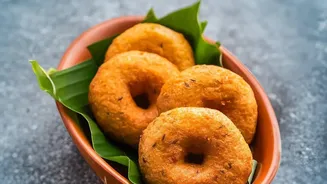
The headline doesn't lie; the true glory of a vada is its signature texture. The exterior is fried to a perfect, crispy golden-brown, offering a satisfying crunch that gives way to a surprisingly light and fluffy interior. This contrast is achieved through the careful preparation of the batter. For lentil-based vadas, the key is grinding soaked lentils into a thick, aerated paste, using as little water as possible. The batter is often whisked vigorously to incorporate air, which ensures the inside steams and puffs up during frying, creating that sought-after soft centre. This meticulous process is what transforms simple ingredients into a multi-textured snack that's both hearty and delicate.
Meet the Vada Family
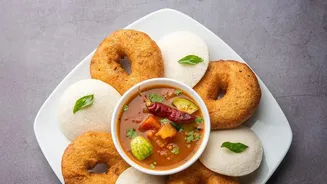
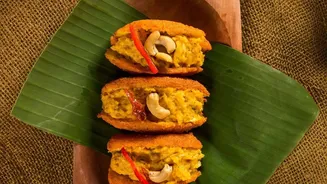
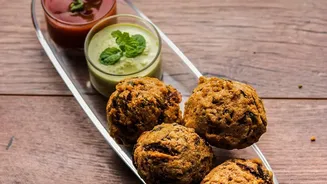
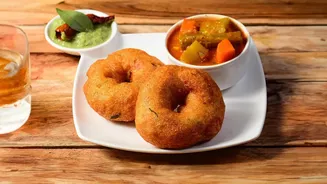
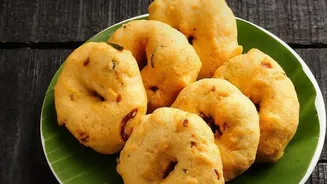
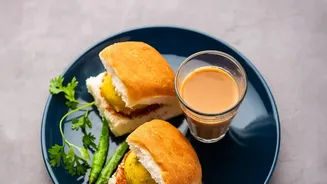
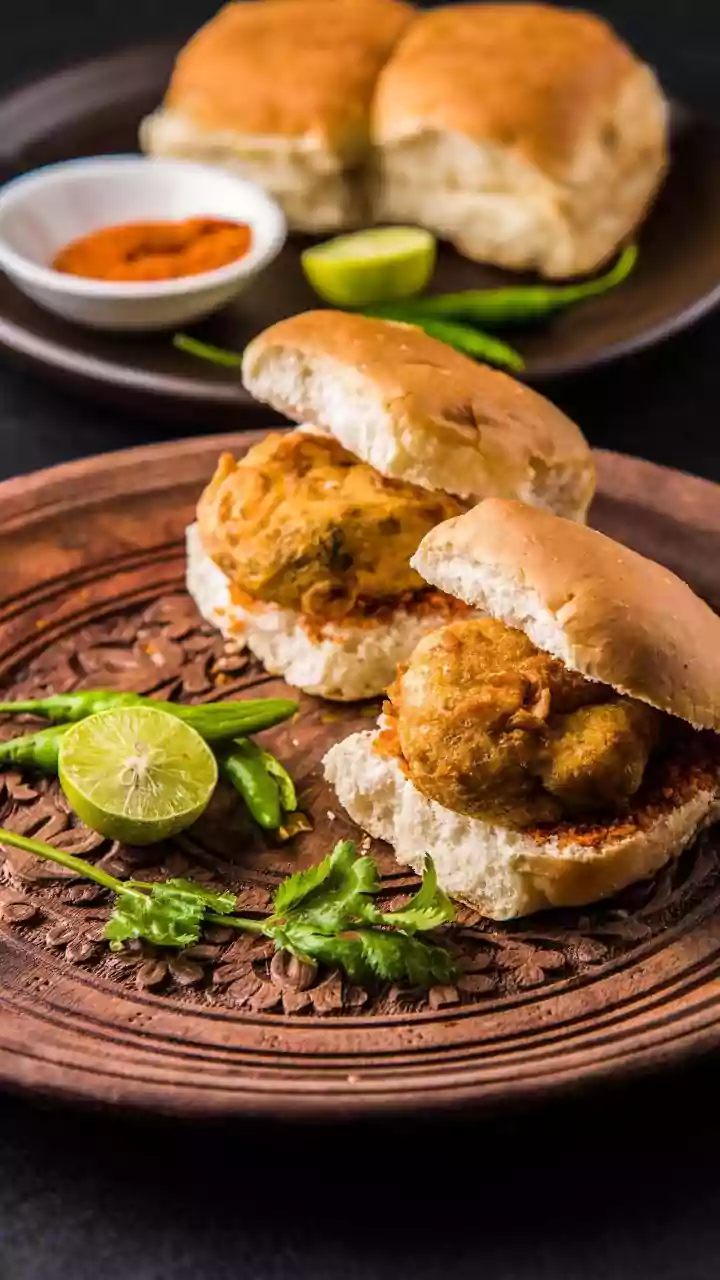
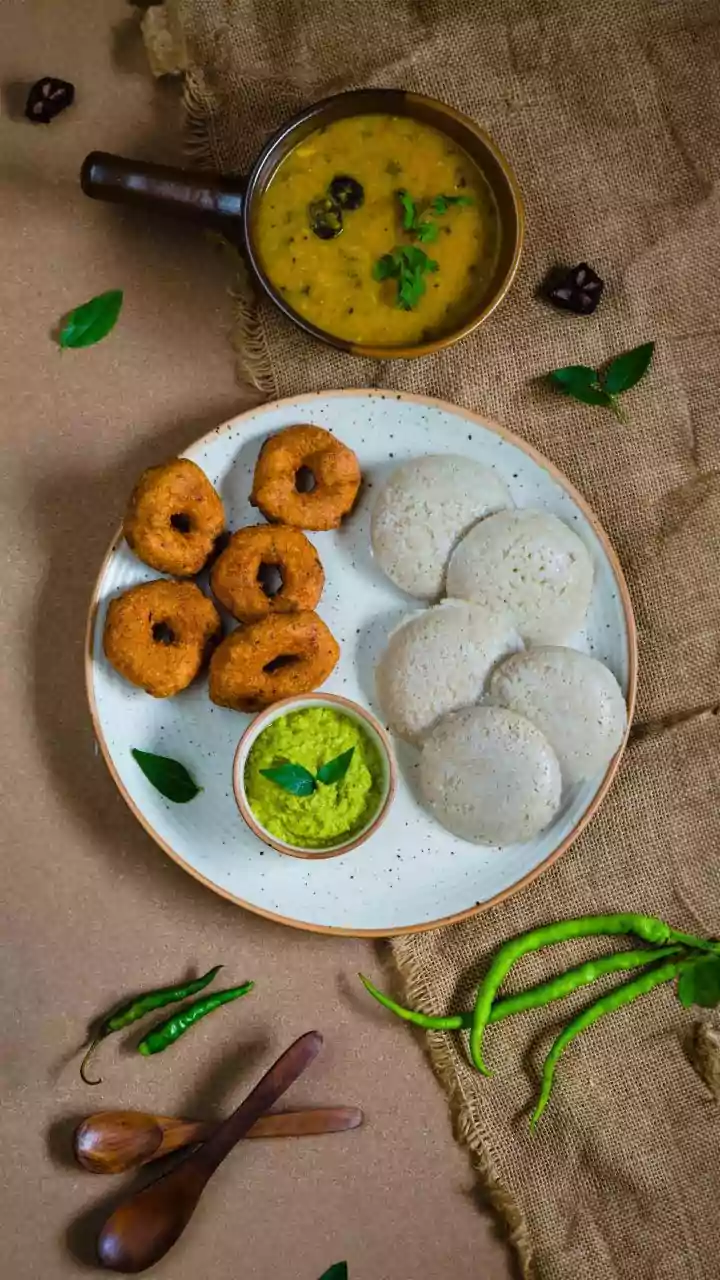
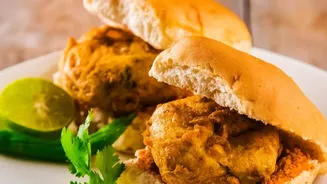
While there are countless regional variations, two types of vada are particularly famous. First is the Medu Vada, a popular South Indian icon. Made from urad dal (black gram), it's recognisable by its distinctive doughnut shape. The flavour is subtly spiced with ingredients like green chillies, ginger, curry leaves, and black pepper. Its counterpart is the Masala Vada, also known as paruppu vadai. This version is a specialty of regions like Tamil Nadu and Kerala and is made from chana dal (Bengal gram). It's flatter, denser, and has a rougher, crunchier texture, packed with flavour from fennel seeds, onions, and other spices. Another well-known variety is the Batata Vada from Maharashtra, a spiced potato dumpling that forms the heart of the famous Vada Pav.
More Than Just a Snack
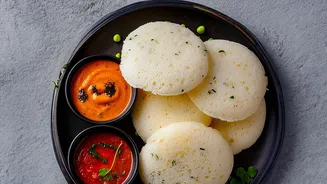
In many parts of India, especially the southern states, vada is a breakfast institution. It's a key component of a 'tiffin' meal, often served as part of a platter that includes idli, sambar, and chutney. This combination creates a balanced meal of steamed, fried, savoury, and tangy elements. Beyond the breakfast table, vada is a ubiquitous street food, providing a quick, filling, and delicious option for people on the go. Its versatility is one of its greatest strengths. You can find it in humble street stalls, bustling train station canteens, and upscale restaurants, a testament to its universal appeal across all walks of life. Whether kicking off the day or satisfying an evening craving, there is a vada for every occasion.
The Perfect Partners
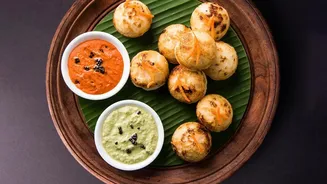
A vada is rarely served alone; its companions are just as important in completing the experience. The most traditional pairings come from South Indian cuisine. A hot, freshly fried medu vada is sublime when dipped into sambar, a tangy and flavourful lentil-based vegetable stew. The vada soaks up the sambar, becoming soft and even more flavourful. Another classic accompaniment is coconut chutney. Its creamy texture and mild, cooling flavour provide a perfect counterpoint to the vada's spicy heat and crispy texture. Other popular dips include zesty mint-coriander chutney or a tangy tamarind chutney. For many, the simple pleasure of a vada with a hot cup of chai or filter coffee is the ultimate comfort snack.