




The New Official Height
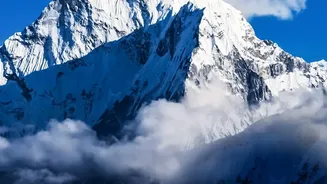
On October 14, 2026, a team of French surveyors announced the new official height of Mont Blanc: 4,807.47 metres. This is a surprising increase of nearly two metres from the last measurement in 2023, which was 4,805.59 metres. However, it's also a decrease
of about 1.3 metres from a measurement taken in 2025. This back-and-forth might seem confusing, but it highlights a crucial point: the 'roof of Europe' is in constant motion. The number isn't just a static entry in an encyclopedia; it's a dynamic data point that reflects a complex and changing environment at high altitude.
A Cap of Ice and Snow
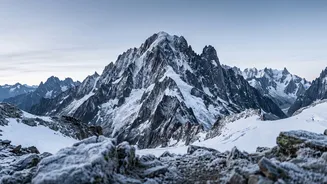
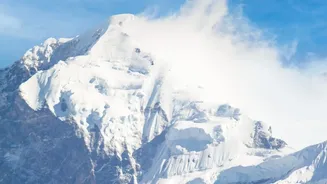
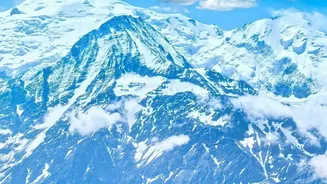
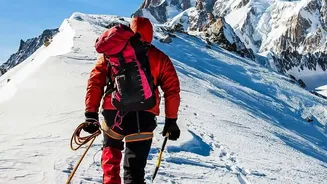
So, how can a mountain grow and shrink so dramatically? The answer lies in what is being measured. The rock summit of Mont Blanc is stable at around 4,792 metres. The variation comes from the thick cap of ice and snow that sits on top. Its depth is constantly altered by weather patterns, including wind, precipitation, and temperature. Strong winds can blow snow off the summit, while heavy snowfall can add to its height. Surveyors have been taking these precise measurements every two to three years since 2001 to build a long-term picture of how the summit evolves. The latest expedition, on September 17, 2026, involved a team hauling nearly 30 kilograms of high-tech equipment, including satellite positioning instruments and drones, to get the most accurate reading possible.
The Climate Change Question
With any news about ice and mountains, the immediate question is about climate change. Record heat in recent summers has had a devastating effect on glaciers across the Alps, with scientists confirming an 'explosion in the rate of melting'. However, experts are cautious about directly linking any single height measurement of Mont Blanc to this broader trend. Jean des Garets, the chief surveyor for the Haute-Savoie region, noted that while climate change is visible elsewhere in the Alps, its impact above 4,000 metres is not yet as clear. The summit's height is primarily influenced by short-term weather like wind and snowfall. An increase in height doesn't necessarily mean the mountain has gained ice mass overall.
Why The Measurements Still Matter
If a single measurement isn't a direct climate indicator, why does it get so much attention? Because each data point contributes to a long-term model. Over decades, this collection of measurements will allow scientists to separate short-term weather 'noise' from long-term climate signals. While the summit's height fluctuates, the general trend since the highest recorded measurement of 4,810.9 metres in 2007 has been downward. The accelerated melting of glaciers and thawing permafrost at lower altitudes on the massif are causing more frequent rockfalls, making the mountain more dangerous. These visible changes are an undeniable sign of a warming climate, even if the very tip of the summit tells a more complicated story.