




Beyond the Postcard Perfection
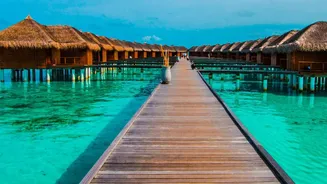
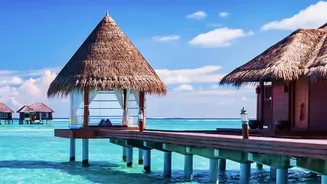
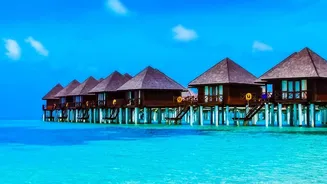
For decades, the allure of the Maldives was its promise of pristine, private luxury. Today, discerning travellers are seeking more. They desire a connection to the destination that goes deeper than its picture-perfect surface. In response, high-end resorts
are transforming the guest experience, proving that indulgence and impact can go hand-in-hand. This evolution is moving beyond simple eco-friendly labels towards immersive, hands-on opportunities that enrich both the visitor and the host. A trip can now be a chance to actively participate in the preservation of the very beauty that draws people here, connect with a rich and ancient culture, and contribute positively to the local communities that are the heart and soul of the nation. It’s a shift from passive observation to active participation, making a holiday feel less like an escape from the world and more like a meaningful engagement with it.
Healing the Ocean: A Dive into Conservation
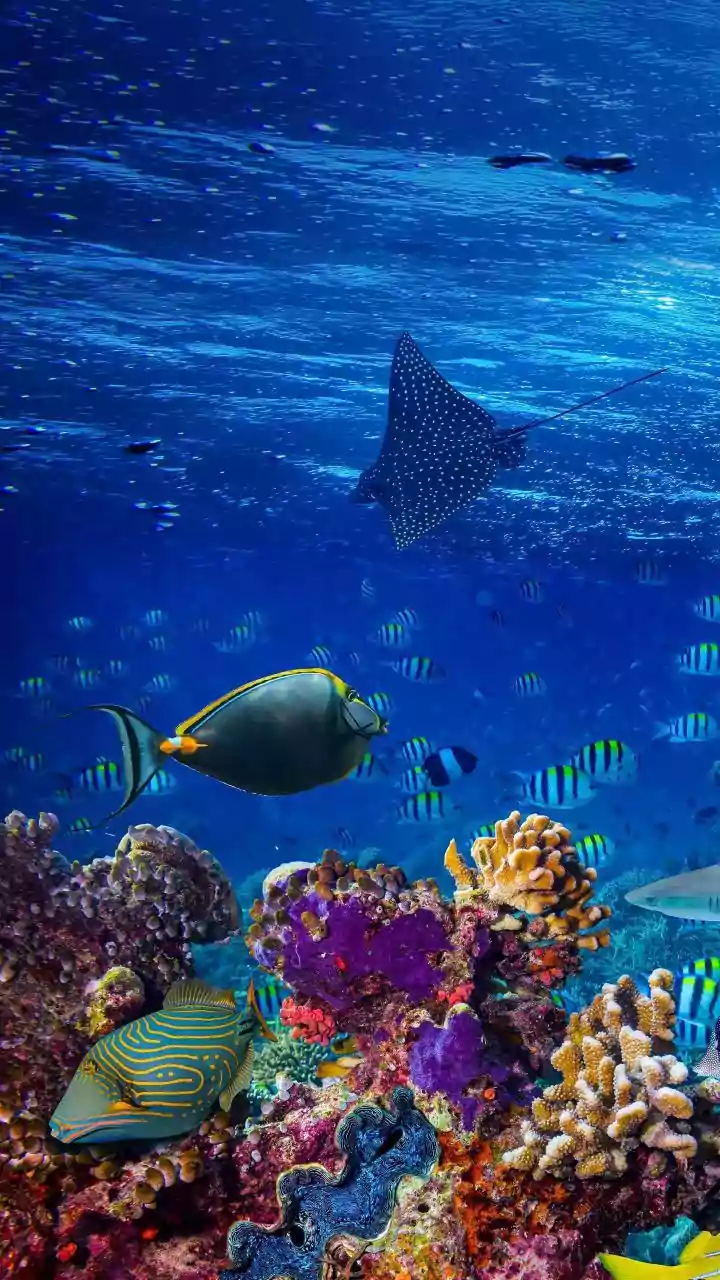
The vibrant marine ecosystem is the Maldives' greatest treasure, and many luxury resorts have become dedicated stewards of its preservation. Guests are no longer just spectators but can become active partners in crucial conservation work. At properties like The St. Regis Maldives Vommuli Resort and Sheraton Maldives Full Moon Resort & Spa, guests can join marine biologists to participate in coral propagation programs. This involves attaching coral fragments to underwater frames to regenerate damaged reefs, a tangible way to leave a positive mark. Other resorts, such as the Four Seasons and Anantara Kihavah, are hubs for manta ray research, where visitors can learn about and support the protection of these majestic creatures. Many resorts, including Soneva Fushi and Gili Lankanfushi, run robust marine conservation centres that also focus on sea turtle rehabilitation, inviting guests to learn about these efforts through guided eco-tours and workshops. These initiatives offer a powerful educational experience, turning a simple snorkel or dive into a lesson on the fragility and resilience of ocean life.
Embracing Maldivian Life: Culture and Cuisine
To truly know a place is to understand its people and traditions. High-end resorts are increasingly creating authentic pathways for guests to experience Maldivian culture. This can be as simple as a curated culinary journey. Many resorts now offer cooking classes where guests can learn to prepare traditional dishes like Mas Huni (a tuna salad) using fresh, local ingredients, some grown in the resort's own organic or hydroponic gardens. Beyond the kitchen, cultural immersion takes many forms. Resorts often facilitate respectful and insightful visits to nearby inhabited islands, offering a glimpse into the daily lives, fishing traditions, and craftsmanship of the local population. In the evenings, the rhythmic beat of the 'Bodu Beru'—a traditional performance of drumming and dancing—provides a powerful connection to the archipelago’s centuries-old history. Some properties, like The Westin Maldives Miriandhoo Resort, even offer workshops that help preserve traditional arts, such as lacquer work, allowing guests to appreciate and support local artisans directly.
Building Bridges: Engaging with Community
The most rewarding travel experiences often involve giving back. A growing number of luxury hotels in the Maldives are fostering genuine connections between their guests and local communities. These are not token gestures but structured programs designed for sustainable impact. For instance, JOALI Maldives' 'Joy of Caring' initiative focuses on supporting local schools and empowering women within the Raa Atoll. Dusit Thani Maldives recently launched its 'Ray of Hope' program, which supports youth development and environmental education in neighbouring schools through art competitions and fundraising. Other resorts have established partnerships to turn plastic waste collected from the ocean into useful products for local schools and hospitals, as seen at the Fairmont Maldives' Sustainability Lab. These initiatives allow travellers to see their tourism dollars make a direct, positive difference, strengthening the local economy and fostering a sense of shared responsibility for the islands' future.