




Rediscovering an Ancient Super Grain
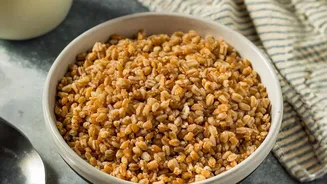
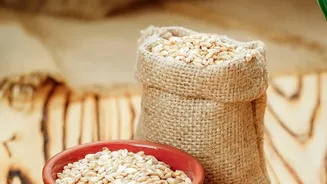
Sorghum, or jowar, is one of the world's oldest known grains, with roots stretching back thousands of years in Africa and Asia. In India, it has long been a staple, especially in regions like Maharashtra, Karnataka, and Rajasthan. Often referred to as a type
of millet, it is a hardy and drought-resistant crop, making it an incredibly sustainable choice for farmers and consumers alike. What makes jowar particularly special is that it is naturally gluten-free and its entire grain, including the outer hull, is edible, meaning none of the nutrients are lost in processing. This ancient grain is making a major comeback in modern kitchens, not just as a 'health food', but as a delicious and practical ingredient for everyday cooking.
A Nutritional Powerhouse
The health benefits of incorporating sorghum into your diet are impressive. It is packed with essential nutrients, including high-quality plant-based protein, dietary fibre, and a wealth of minerals like iron, magnesium, potassium, and phosphorus. A 100-gram serving provides about 10 grams of protein and nearly 7 grams of fibre. This high fibre content aids digestion, helps prevent constipation, and promotes a feeling of fullness, which can assist in weight management. Furthermore, sorghum has a low glycemic index, meaning it releases sugar into the bloodstream more slowly than refined grains, making it an excellent choice for managing blood sugar levels. It is also rich in antioxidants, which help fight inflammation in the body.
Cooking with Whole Sorghum Grains
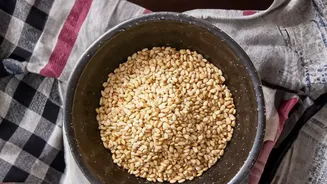
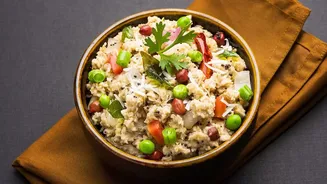
One of the simplest ways to enjoy sorghum is by cooking the whole grains, which have a wonderfully chewy texture and a mild, earthy flavour. Think of it as a substitute for rice or quinoa. To cook, simply rinse the grains and then simmer them in water or stock. A general ratio is one cup of whole sorghum to three or four cups of liquid. Bring it to a boil, then reduce the heat, cover, and let it simmer for about 50 to 60 minutes, or until the grains are tender and have absorbed the liquid. Cooked whole sorghum is a fantastic base for salads, can be stirred into soups and stews for added texture, or served as a simple side dish. For a fun, healthy snack, you can even pop the whole grains on a dry pan, just like popcorn, and add a pinch of salt.
The Versatility of Jowar Flour
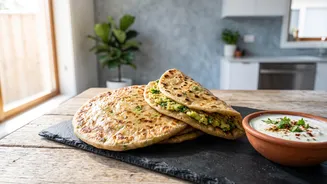
In India, jowar is most famously used in its flour form. Jowar flour is the key ingredient for making bhakri, a traditional unleavened flatbread popular across several states. Because it's gluten-free, the dough lacks the elasticity of wheat and is typically patted into shape by hand using warm water. But its uses extend far beyond traditional rotis. Jowar flour is an excellent gluten-free alternative for a variety of dishes. You can make instant dosas, savoury pancakes (chillas), or even use it to thicken soups and curries instead of cornflour. For those with a sweet tooth, it can be used to make ladoos, kheer, and baked goods like muffins and parathas, offering a nutritious twist to your favourite treats.
Tips for Buying and Storing
Both whole grain sorghum and jowar flour are widely available in Indian grocery stores and online. When purchasing, look for packages that are well-sealed. To maintain freshness, it is crucial to store them properly. Airtight containers are your best friend. Keep them in a cool, dark, and dry place. Whole sorghum grains can last for about six months in the pantry or up to a year in the freezer. Jowar flour is more delicate due to the natural oils in the grain; it's best stored in the refrigerator or freezer, where it will keep well for several months. Always give it a quick sniff before using—if it smells rancid, it’s time to toss it.