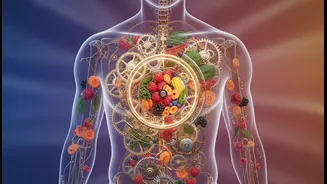










The Sunday Snacking Syndrome
You’ve made it through the weekend. Maybe it was relaxing, maybe it was busy, but as Sunday winds down, a specific type of hunger often kicks in. It’s not necessarily about needing a full meal; it’s the magnetic pull of the pantry, calling you toward
chips, cookies, and other comfort foods. This isn't just a lack of willpower. This urge is often accompanied by a general feeling of being 'off'—a little sluggish, a bit blue, and not quite ready for Monday. This combination of low mood and high-calorie cravings is a common experience, but its roots may be planted in the moment your weekend began.
Meet 'Social Jetlag'
The key to understanding Sunday night snacking lies in a concept called 'social jetlag'. This term describes the mismatch between your body's internal clock (your circadian rhythm) and your actual sleep schedule, especially between weekdays and weekends. During the week, you might wake up at 7 a.m. for work. But on Saturday and Sunday, you hit the snooze button and sleep in until 10 a.m. This three-hour shift, while seemingly harmless, is like flying across a few time zones without ever leaving your home. Your body, which thrives on consistency, gets confused. This misalignment between your biological time and your social time is what scientists refer to as social jetlag.
The Hormonal Rollercoaster
When your circadian rhythm is disrupted, it throws your body's finely tuned hormonal system out of whack. Two key players in appetite regulation are ghrelin and leptin. Ghrelin is often called the 'hunger hormone' because it signals your brain that it's time to eat. Leptin is the 'satiety hormone'; it tells your brain when you're full. Sleep deprivation and irregular sleep schedules can cause ghrelin levels to rise and leptin levels to fall. The result is a perfect storm: your body thinks it's hungrier than it is, and it's less able to recognize when it's satisfied. This hormonal imbalance can directly fuel the urge to overeat.
Why You Crave Carbs and Comfort
The hormonal disruption doesn't just make you feel hungrier; it can also change what you want to eat. Studies show that circadian misalignment and sleep loss are linked to increased cravings for high-calorie, sugary, and fatty foods. Your body, feeling the effects of the 'jetlag', seeks a quick energy boost, and nothing provides that faster than simple carbohydrates and fats. Furthermore, this physiological response can be amplified by psychological factors. The looming start of the workweek, often dubbed the 'Sunday Scaries', can increase levels of the stress hormone cortisol, which also boosts appetite and cravings for comfort food. It becomes a cycle of physical and emotional triggers leading you straight to the snack cabinet.
How to Minimize Social Jetlag
The solution isn't necessarily to give up your weekend lie-ins entirely, but to minimize the gap between your weekday and weekend schedules. Aim to wake up within an hour or two of your usual weekday alarm time. If you're still tired, a short 20-30 minute nap in the early afternoon is a better option than sleeping for hours in the morning. Another powerful tool is light. Exposing yourself to natural sunlight shortly after waking helps to reset your internal clock. Consistent meal timing, even on weekends, can also reinforce your body's rhythm and help regulate your metabolism. By creating a more stable routine, you help your hormones stay balanced, reducing the likelihood of a Sunday evening snack attack.