



The Protein Power Play
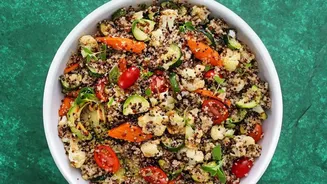
When it comes to protein, quinoa has a distinct advantage. Uncooked quinoa contains about 14 grams of protein per 100g, making it a complete protein source. This means it provides all nine essential amino acids your body can't produce on its own, which
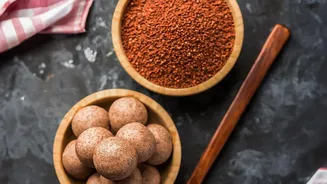
is rare for a plant-based food. Ragi, or finger millet, offers a more modest 7 to 8 grams of protein per 100g. While not a complete protein on its own—it's low in the amino acid lysine—ragi is traditionally paired with dals or curd in Indian cuisine. This combination creates a complete amino acid profile, making the meal's protein fully usable by the body. So, for pure protein content, quinoa wins, but ragi can be part of a high-quality protein meal with the right pairings.
The Fibre Factor
Dietary fibre is crucial for digestive health, weight management, and controlling blood sugar. Here, the competition is close, but ragi often has a slight edge depending on the variety. Ragi contains a high amount of dietary fibre, which helps you feel full longer and can aid in weight loss. Some sources note that quinoa has slightly more fibre, around 14.7g to ragi's 11.2g per 100g, while others suggest ragi is richer in this nutrient. Regardless of the minor differences, both grains are excellent sources of fibre compared to refined grains like white rice and can significantly improve your digestive health and prevent constipation. Their high fibre content also gives them a low glycemic index, meaning they release sugar into the bloodstream slowly.
A Calcium Champion Emerges
This is where ragi truly shines and leaves quinoa far behind. Ragi is one of the richest plant-based sources of calcium, containing about 344-364 mg per 100g. This is an exceptional amount for a cereal and makes ragi a superfood for bone health, helping to prevent osteoporosis and supporting bone development in children. By comparison, quinoa contains significantly less calcium, with values around 47-198 mg per 100g. For anyone looking to boost their calcium intake, especially on a plant-based diet, ragi is the undisputed winner.
The Iron and Micronutrient Matchup
Iron is vital for preventing anaemia and maintaining energy levels, a significant concern in many Indian diets. In this contest, quinoa takes the lead with about 4.6 to 7.5 mg of iron per 100g. Ragi is also a good source, providing around 3.9 to 4.6 mg. While quinoa has more iron, ragi's content is still substantial and highly beneficial. Beyond iron, both grains are packed with other important minerals. Ragi is a great source of potassium and phosphorus. Quinoa is particularly rich in magnesium, which is important for muscle function and blood sugar control, as well as manganese and folate.
Cost and Culinary Context
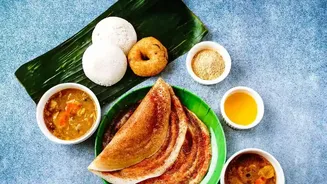
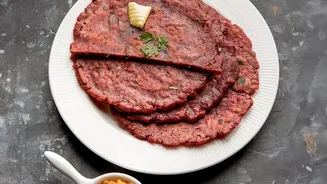
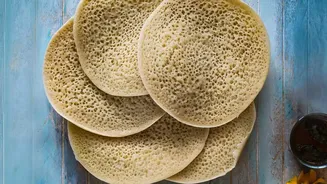
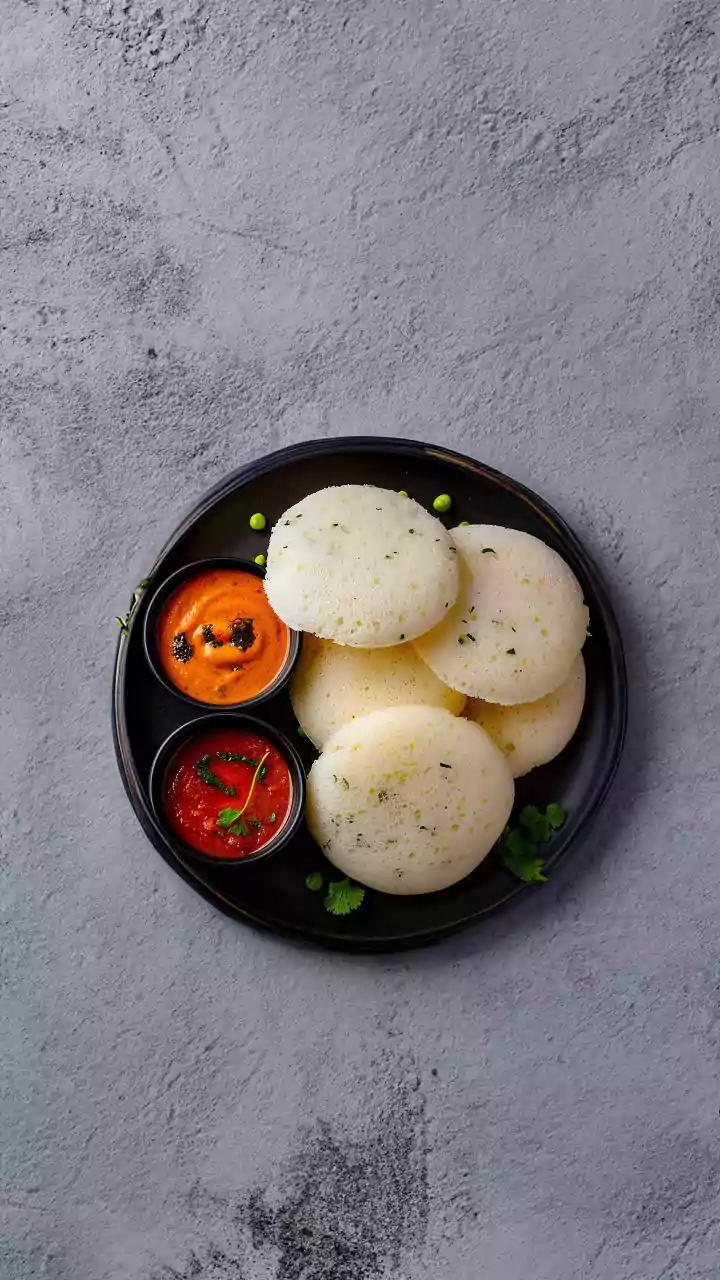
Beyond pure nutrition, practicality plays a role. Ragi has been a staple in India for thousands of years and is widely available and affordable. It is deeply integrated into traditional Indian cooking, used for everything from rotis and dosas to porridges and 'mudde'. Quinoa, native to South America, is typically imported and comes with a much higher price tag in India. While versatile in salads and as a rice substitute, its flavour and texture can be unfamiliar to the Indian palate. For daily consumption on a budget, ragi is the more sustainable and accessible choice for Indian households.