





A Vision of Mars on the Bayou
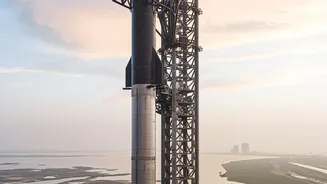
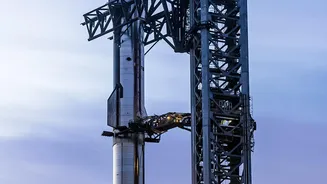
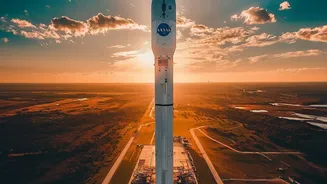
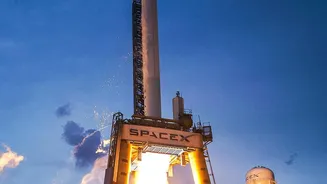
SpaceX's plan for coastal Louisiana is breathtaking in its ambition. Dubbed 'Starbase Louisiana,' the proposed $100 billion project would cover 125,000 acres in Vermilion Parish, an area near Pecan Island. The facility is designed to support an unprecedented
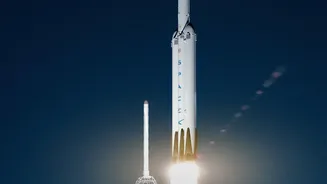
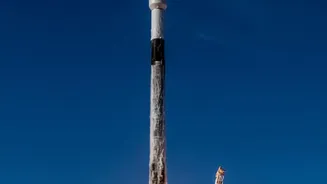
cadence of thousands of Starship launches annually, featuring ten launch pads, vehicle processing facilities, and on-site propellant production. Founder Elon Musk stated the goal is to build a spaceport that has, until now, "only existed in science fiction" to make space travel as routine as airline flights. Construction is slated to begin in 2027, with the first launch targeted for as early as 2029. This would be a self-sustaining complex, complete with housing and its own infrastructure, transforming a quiet part of the Gulf Coast into a bustling gateway to the stars.
The Economic Supernova
For Louisiana, the economic allure of Starbase is undeniable. The project promises a massive injection of capital and job creation. State officials announced the venture would create 3,000 direct new jobs with high average salaries, and potentially over 8,000 indirect jobs in the Acadiana region. Governor Jeff Landry hailed the announcement as a "pivotal moment for Louisiana," positioning the state at the center of the aerospace frontier. Beyond the jobs, proponents see it as a chance to marry economic development with coastal restoration. The argument is that SpaceX's investment could help fund desperately needed projects to protect and rebuild Louisiana's rapidly eroding coastline, a crisis that threatens communities and industries. This narrative presents the spaceport not just as a business venture, but as a potential partner in solving one of the state's most pressing environmental challenges.
A Fragile Coastal Ecosystem
Despite the economic promise, environmental groups have sounded the alarm. The proposed site sits in one of the most productive and delicate ecosystems on the continent, home to migratory birds and endangered species. Louisiana already faces one of the highest rates of wetland loss in the world, a situation that jeopardizes its natural defense against hurricanes. Conservation organizations like the Louisiana Wildlife Federation have warned that a project of this magnitude would require extensive marsh filling, dredging, and construction, bringing with it high-intensity noise and light that could devastate local habitats. They point out the irony of building a massive industrial complex in a region that scientists project will lose 75% of its remaining wetlands by 2070.
Lessons from Boca Chica
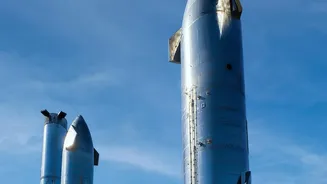
Concerns about the Louisiana project are amplified by SpaceX's environmental track record at its existing Starbase facility in Boca Chica, Texas. That site, also located in a sensitive coastal environment, has been a source of significant environmental conflict. Reports from Texas detail rocket debris scattered across wildlife refuges, beach closures, and disruptions to nesting bird populations. In 2024, regulators found SpaceX had violated the Clean Water Act by releasing pollutants into Texas waters. For environmental advocates, the experience in Texas serves as a cautionary tale. They argue that the frequent launch and testing activities inherent to SpaceX's mission inevitably lead to environmental degradation, raising questions about whether the same pattern will repeat on a much larger scale in Louisiana.
The Regulatory Gauntlet Ahead
The Starbase Louisiana project is far from a done deal. Before construction can begin, it must navigate a complex federal and state regulatory process, with the Federal Aviation Administration (FAA) playing a key role. The FAA is responsible for licensing commercial spaceports and must assess their potential environmental impacts under the National Environmental Policy Act (NEPA). This process typically involves a detailed Environmental Assessment or a more comprehensive Environmental Impact Statement (EIS). However, environmental groups have raised concerns about a recently proposed FAA rule change that they claim could allow the agency to waive these review requirements, potentially fast-tracking the project without a full accounting of its ecological costs. These groups have already filed objections, setting the stage for a significant regulatory and legal battle over the future of Louisiana's coast.