








An Ambition Against Headwinds
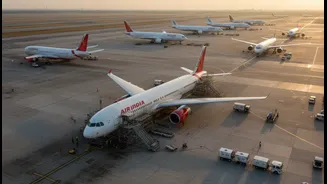
Since being acquired by the Tata Group in 2022, Air India has embarked on one of the most aggressive transformation journeys in modern aviation. At its core is a monumental order for 470 new aircraft from Airbus and Boeing, with options that could push
the total closer to 600. This move is designed to modernise the airline's ageing fleet, dramatically expand its global network, and re-establish it as a world-class carrier. However, this ambition has run directly into a wall of global challenges. The entire aerospace industry is grappling with significant supply chain disruptions, from engine shortages to delays in cabin components like seats. These issues, coupled with geopolitical instability and volatile oil prices, have created what one senior executive called "multiple black swan events" that were impossible to forecast.
Navigating the Turbulence
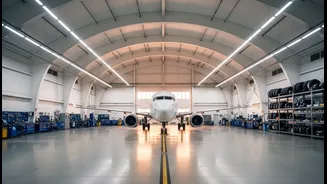
According to Nipun Aggarwal, Air India's Chief Commercial Officer, the airline remains on track with its transformation program despite the external pressures. He acknowledged that while some things may take longer than initially planned, the core elements of fleet modernisation and investment in maintenance are progressing. The airline anticipates receiving 50 to 60 new aircraft within the next 18 months. This steady stream of deliveries is crucial. The plan involves adding approximately 10-15 wide-body and 45-50 narrow-body jets each year for the better part of a decade. This strategy provides a buffer against the delays affecting any single aircraft type and ensures a continuous infusion of new technology and capacity into the fleet.
The New Passenger Experience Takes Flight
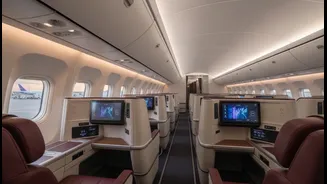
For passengers, the transformation is becoming increasingly tangible. The airline has already started inducting new Airbus A350 and Boeing 787-9 aircraft, with more scheduled to arrive this year. This summer, key routes like those to London Heathrow from Delhi and Mumbai have been upgraded to operate with aircraft featuring brand-new cabin interiors. These retrofitted and line-fit planes boast modern business class suites and, on many routes, introduce a Premium Economy cabin for the first time. In parallel, the airline is undertaking a massive project to retrofit its existing legacy fleet of Boeing 777 and 787 jets. While this process has also been hit by supplier delays, the airline projects that by the end of 2026, over half of its wide-body fleet will feature modernised cabins, a significant step up from the outdated products of the past.
Managing Delays and Setting Expectations
While the overall plan remains intact, executives are candid about the challenges. CEO Campbell Wilson has previously expressed frustration with suppliers, noting that delays in receiving new seats and other cabin components have slowed the pace of retrofits. Some aircraft are temporarily unavailable for service as they await their turn for upgrades, which, combined with delivery delays, has constrained capacity in the short term. This led to some schedule reductions over the summer to build more operational resilience. However, the airline views these as temporary measures and expects to restore most of this capacity from September onwards. The proactive management of these issues is reflected in the airline's improving operational performance; in June 2026, Air India was ranked as the fourth most on-time airline globally by analytics firm Cirium.