





A Cosmic Connection Across Time and Space
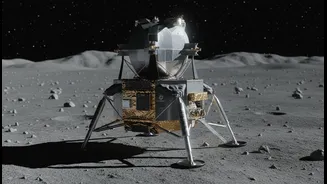
Scientists from India's Physical Research Laboratory (PRL) have uncovered a remarkable cosmic coincidence. A new study reveals that the soil at Shiv Shakti Point, the celebrated landing site of Chandrayaan-3 near the lunar south pole, has a chemical composition
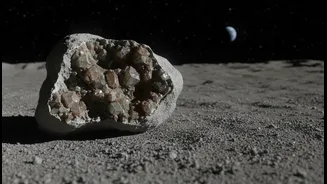
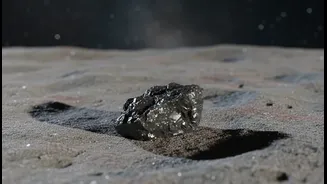
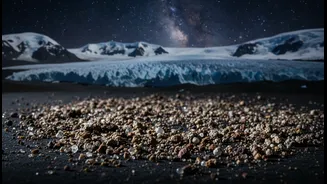
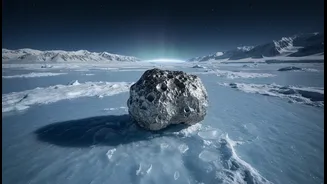
that is strikingly similar to a specific meteorite found on Earth. The meteorite in question is no ordinary space rock; it is ALHA 81005, a specimen discovered in the Allan Hills of Antarctica in 1982 and famous for being the very first rock to be conclusively identified as having come from the Moon. This groundbreaking link bridges a 40-year-old earthly discovery with India's 21st-century lunar triumph, offering a powerful new way to understand the Moon's evolution.
The Fingerprint in the Dust
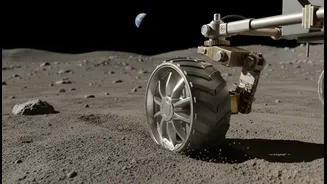
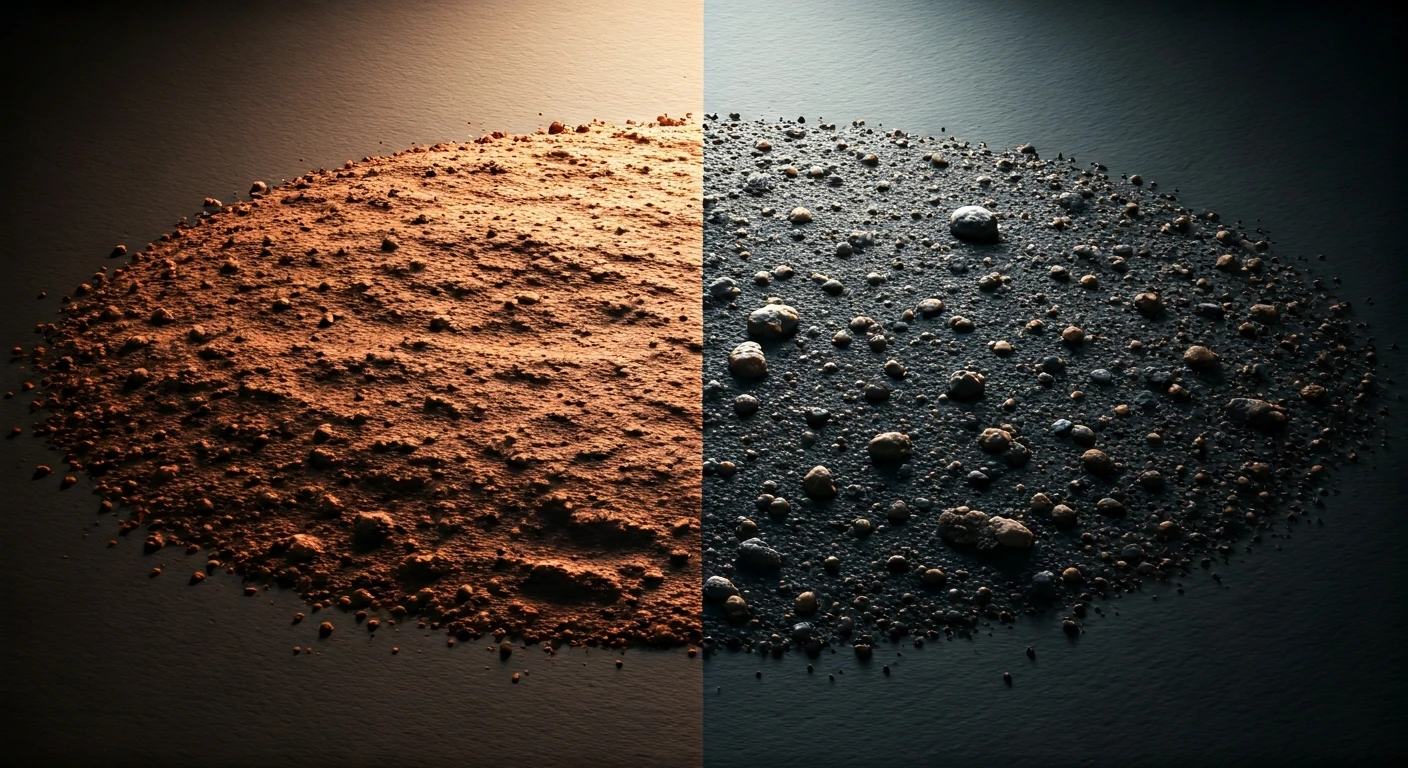
The discovery was made possible by the Alpha Particle X-ray Spectrometer (APXS) instrument aboard the Pragyan rover. As the rover explored the lunar surface, the APXS meticulously measured the elemental makeup of the soil. The data showed that the landing site has lower levels of aluminium but is richer in iron and magnesium compared to typical lunar highland areas. When PRL scientists compared this unique chemical signature to the records of 66 known lunar meteorites, ALHA 81005 stood out as a near-perfect match. For instance, the soil at Shiv Shakti Point contains about 26.1% aluminium oxide, while the Antarctic meteorite has 25.8%. Similarly, the combined iron and magnesium oxide content was 14.4% at the landing site and 13.7% in the meteorite—both significantly higher than the average for the Moon's highlands. This doesn't mean the Antarctic meteorite was blasted off from Shiv Shakti Point itself. Rather, it suggests both originated from a similar, rare type of magnesium-rich lunar crust.
Clues from a Violent Past
So, how did this unique soil get to the surface? Scientists believe the answer lies in the Moon's violent history. The Chandrayaan-3 landing site is approximately 350 kilometres from the rim of the South Pole-Aitken (SPA) basin, one of the largest and oldest impact craters in our solar system. Researchers theorise that the colossal impact that formed this basin billions of years ago was powerful enough to dredge up material from the Moon's deeper layers—the lower crust or even the upper mantle. This excavated, magnesium-rich rock was then thrown across the lunar surface, mixing with the upper crust over eons. The soil that the Pragyan rover analysed is therefore not just surface dust, but a complex blend of materials from different depths, providing an unprecedented window into the Moon's internal structure without having to drill.
Why This Link Matters for Science
Establishing this connection is a major scientific achievement. For decades, scientists have studied lunar meteorites found on Earth, but linking them to a specific location on the Moon has been incredibly difficult. This study provides a crucial 'ground truth' by matching a sample analysed in-situ on the Moon with a sample held in labs on Earth. This helps validate our understanding of both the meteorites and the lunar regions they may have come from. The findings also lend strong support to the 'Lunar Magma Ocean' hypothesis—the theory that the early Moon was covered in a sea of molten rock. As this ocean cooled, heavier minerals sank and lighter ones floated, forming the distinct layers of crust and mantle. The mixed-up soil at Shiv Shakti Point, with its blend of deep and shallow materials, is a physical record of that ancient geological process.