





Meet the Moth Bean: A Climate Champion
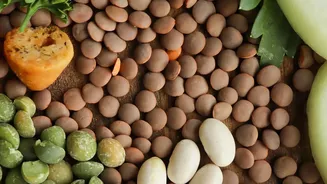
Known as matki in Marathi, mot in Hindi, and by its scientific name Vigna aconitifolia, the moth bean is a true hero of arid and semi-arid regions. This small, oblong legume, typically light brown or reddish-brown, is an annual creeper plant native to
India. For millennia, it has been a lifeline for farmers in the drylands of Rajasthan, Maharashtra, and Gujarat, reliably producing a crop where others would fail. Its superpower lies in its exceptional drought resistance. The plant has a deep taproot system that can seek out moisture deep within the soil, and its low, dense canopy acts as a natural mulch, preventing water evaporation and protecting the soil from wind erosion.
The Ultimate Low-Maintenance Crop
Modern agriculture often relies on a heavy dose of fertilisers, pesticides, and irrigation. The moth bean flips that script. It is a nitrogen-fixing legume, which means it naturally converts atmospheric nitrogen into a form usable by plants, enriching the soil for itself and for future crops. This reduces the need for synthetic nitrogen fertilisers, a major cost for farmers and a source of environmental pollution. Moth bean is predominantly grown as a rainfed crop, requiring little to no irrigation. In fact, it performs best in lean, sandy soils where other crops struggle. This ability to produce yields with minimal external inputs makes it an incredibly sustainable and cost-effective choice for resource-poor farmers.
A Nutritional Powerhouse
Don't let its humble status fool you; the moth bean is packed with nutrition. It's an excellent source of plant-based protein, with content ranging from 20-24%. This makes it a vital protein source, especially in vegetarian diets, complementing cereals that often lack certain essential amino acids. Beyond protein, it is rich in dietary fibre, which aids digestion and helps regulate blood sugar levels. It’s also loaded with essential minerals like calcium, iron, magnesium, and potassium, and is a good source of B vitamins. In recent years, sprouted moth beans have gained popularity as an immunity-boosting food, celebrated for their enhanced nutrient profile.
From Traditional Staple to Modern Superfood
In India, particularly in Maharashtrian cuisine, moth beans are a beloved staple. They are most famously used to make 'misal pav', a spicy curry made from sprouted matki served with bread. The beans can also be used in their whole, cooked form in curries, soups, and stews. Because of their mild, nutty flavour, they are incredibly versatile. However, like many legumes, raw moth beans contain antinutritional factors. Soaking them for several hours and cooking them thoroughly is essential to make their rich protein more digestible and unlock their full nutritional benefits.
Why Is It Still Underrated?
Despite its incredible resilience and nutritional value, the moth bean has been largely overlooked by mainstream agriculture, which has historically favoured major staple crops like wheat and rice. Often categorised as a 'minor' or 'underutilised' legume, it hasn't received the same level of research, investment, or promotion. It has sometimes been perceived as 'poor man's food', a subsistence crop rather than a commercial heavyweight. But as climate change intensifies and water becomes scarcer, the very traits that made the moth bean a crop of necessity are now positioning it as a crop of the future.