





The Allure of the Quick Fix
In a world of instant gratification, a simple trick to solve an annoying problem like pantry pests is incredibly appealing. Social media feeds are filled with 'hacks' that promise to repel insects with minimal effort. These often involve using strong-smelling
natural items like cloves, citrus peels, or bay leaves to deter critters like weevils and moths. The ideas spread quickly because they seem easy, affordable, and natural. A recent video showing someone adding bay leaves to their flour and grain containers gained significant traction, with many viewers eager to try the 'simple and effective' tip. The promise is a clean pantry without resorting to chemicals or complicated routines, which resonates with many people looking for a fast solution.
Why Most Viral Hacks Fall Short
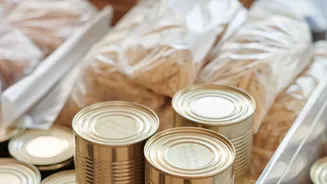
The problem with relying solely on these hacks is that they often don't address the root cause of an infestation. Most common pantry pests, like the Indian meal moth, don't just wander in; they often arrive as microscopic eggs on food products from the grocery store. These eggs hatch into larvae, which is the stage that causes the most damage by eating through food and leaving behind waste and webbing. A female moth can lay hundreds of eggs directly on a food source. Simply placing a deterrent on a shelf might make the area less appealing, but it won’t stop larvae from hatching inside a poorly sealed bag of flour or rice. These pests can easily chew through paper, cardboard, and thin plastic bags to get to their next meal. So while a strong scent might repel adult moths, it does nothing to contain an infestation that has already begun inside a package.
The Undisputed Champion: Airtight Containers
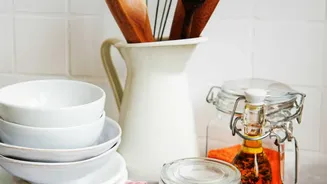
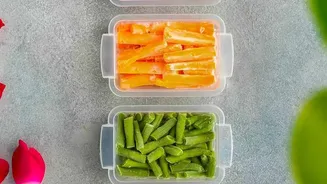
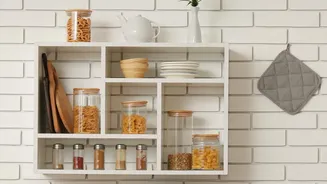
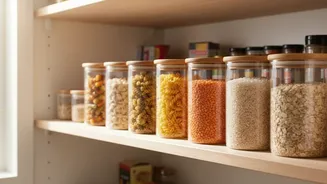
This is where proven hygiene practices demonstrate their true power. The single most effective strategy against pantry pests is to transfer dry goods from their original packaging into airtight containers immediately. Look for options made of hard plastic or glass with silicone or rubber gaskets that create a solid seal. This creates an impenetrable physical barrier that pests cannot chew through. It not only prevents new pests from getting in but also contains any potential infestation that may have come from the store, stopping it from spreading to other foods in your pantry. The original paper or cardboard packaging is designed for transport, not long-term storage, as it allows air, moisture, and pests to get in. By making airtight containers your first line of defence, you address the problem at its source rather than just masking the symptoms.
Keep It Clean and Keep It Dry
Airtight containers work best as part of a broader hygiene routine. Pests are attracted to food residue, crumbs, and spills. Regularly wiping down pantry shelves, sweeping floors, and cleaning up any spills immediately removes these attractants. Pay special attention to corners and the areas under appliances where crumbs can accumulate. Moisture is another major draw for pests and can lead to mould. Keeping your pantry dry and well-ventilated makes it a much less hospitable environment. This doesn't need to be an overwhelming chore; incorporating a quick wipe-down into your weekly cleaning routine is often enough to maintain a pest-unfriendly space. A clean, dry pantry with properly stored food offers pests no reason to stick around.
A Simple, Sustainable Routine
Building a pest-proof pantry is about consistency, not complexity. Start by inspecting groceries for any signs of damage before putting them away. As soon as you get home, transfer items like flour, rice, grains, spices, and even pet food into your designated airtight containers. Practice the 'first in, first out' method by rotating older items to the front so they get used first; this prevents products from sitting for months, which increases the chance of an infestation. For an extra layer of protection with new bags of flour, you can freeze them for a few days to kill any potential eggs before transferring the contents to a container. Finally, while natural repellents like bay leaves shouldn't be your only defence, placing one inside a sealed container can offer some supplementary deterrence. This simple system, based on containment and cleanliness, will always outperform a fleeting viral trend.