


A Tectonic Collision Zone
The primary reason for Japan's intense seismic activity is its location at the junction of four massive tectonic plates. The country sits atop parts of the Eurasian and North American plates. Beneath it, two oceanic plates, the Pacific Plate and the Philippine
Sea Plate, are constantly moving and sliding under the continental plates in a process called subduction. The Pacific Plate, one of the largest on Earth, moves westward at a rate of about 8 to 9 centimeters per year, grinding beneath northern Japan. This constant, powerful movement creates immense stress in the rock, which is periodically released in the form of earthquakes.
The Pacific Ring of Fire
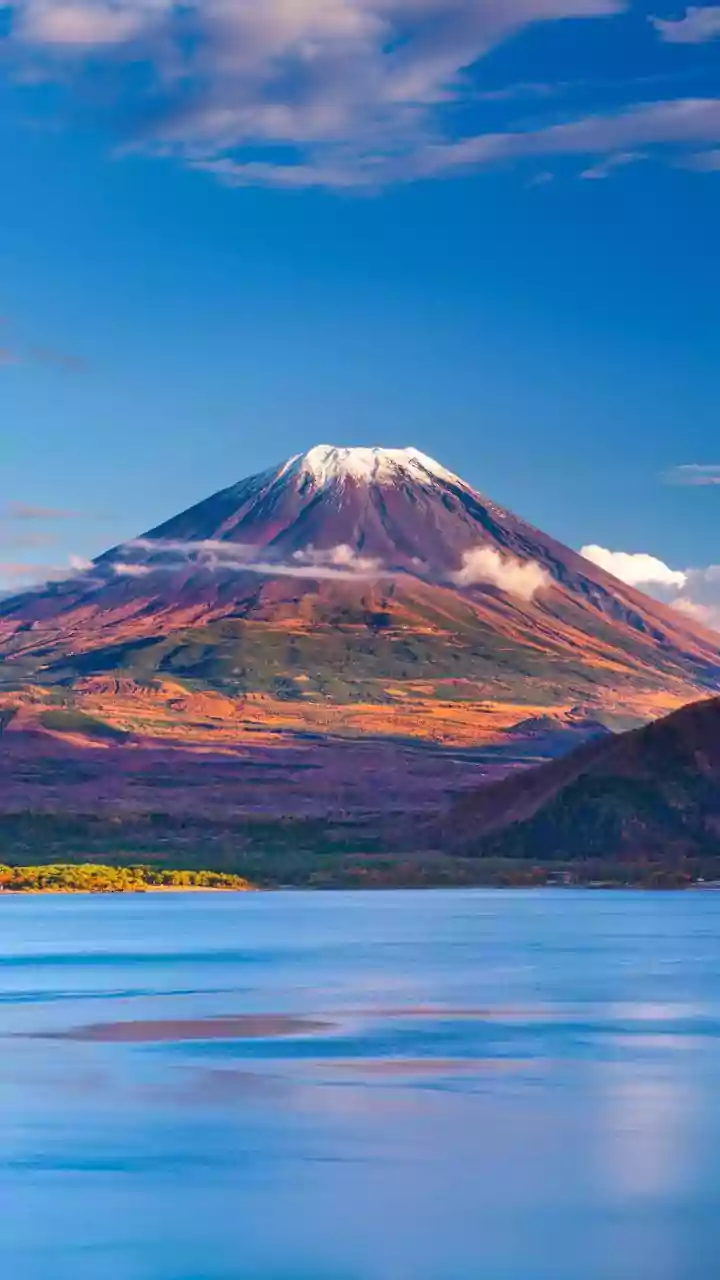
Japan's volatile position is part of a much larger geological feature: the Pacific Ring of Fire. This horseshoe-shaped zone stretches for approximately 40,000 kilometers around the Pacific Ocean and is the most seismically and volcanically active region on the planet. Roughly 90% of the world's earthquakes and about 75% of its active volcanoes are located along this ring. Japan's archipelago lies squarely within this zone, making frequent tremors and occasional major quakes an inescapable part of life. The same tectonic forces that cause these earthquakes are also responsible for the country's numerous volcanoes and hot springs.
The Mechanics of a Quake
The process of subduction is the main driver of Japan's most powerful earthquakes. As the dense oceanic plates dive beneath the lighter continental plates, they can become stuck. Over decades or even centuries, incredible strain builds up. When the pressure finally overcomes the friction, the plates lurch forward, releasing a colossal amount of energy that ripples through the crust as a seismic wave. If this happens offshore, as it often does along deep oceanic trenches like the Japan Trench, it can displace huge volumes of seawater, triggering devastating tsunamis. In addition to these large offshore quakes, thousands of smaller active faults exist within the continental plates under the islands, causing shallower but still destructive tremors.
A Culture of Preparedness
Living on such unstable ground has forced Japan to become a world leader in earthquake preparedness and engineering. The country has developed some of the strictest building codes on the planet, which are continuously updated after major seismic events. Modern buildings are designed with remarkable technology, including base isolation systems that act like shock absorbers and damping structures that allow skyscrapers to sway safely rather than break. This commitment to resilience extends beyond architecture. From an early-warning system that sends alerts to phones seconds before a quake hits, to regular emergency drills in schools and offices, the entire society is organized around mitigating seismic risk.