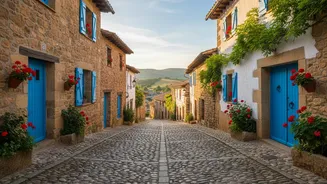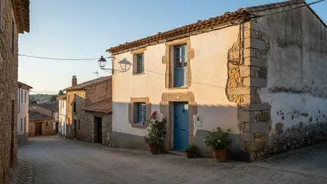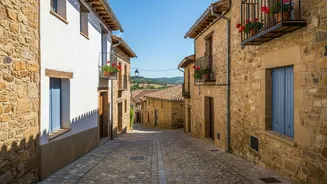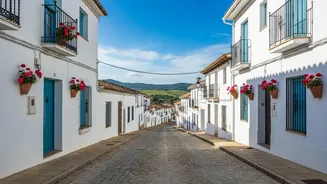






The Offer That Went Viral
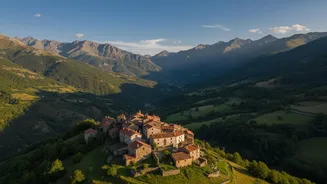
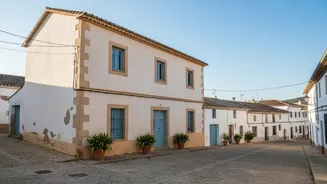
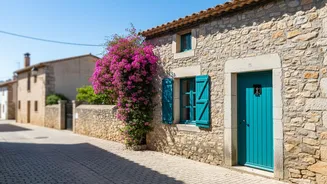
In the heart of what is known as 'Emptied Spain,' the small village of Arenillas, with only about 45 permanent residents, decided to fight for its future. The offer was simple yet profound: a fully renovated, rent-free home for a family willing to move
in and become part of the community. To ensure stability, the package also included a full-time, salaried job as a municipal maintenance worker, tasked with helping preserve the village's buildings. For families with children, the deal was even sweeter, with free daily transportation to a school in a nearby town, ensuring education wasn't a barrier. The village also offered the new residents the option of running the local social bar, the very heart of community life.
A Flood of Hopeful Applicants
The response was immediate and immense. Word of the opportunity spread like wildfire, and within a single week, the town council was flooded with more than 116 applications from families eager to make the move. While this specific offer drew over a hundred families, it is part of a broader trend where similar initiatives in other Spanish villages have attracted thousands of inquiries. This deluge of interest from people dreaming of a rural reset caught the local organizers by surprise and highlighted a deep, untapped desire for an alternative to the high costs and frantic pace of urban living. The applicants weren't just seeking a house; they were looking for a different way of life, one with a stronger sense of community and connection.
Understanding 'Emptied Spain'
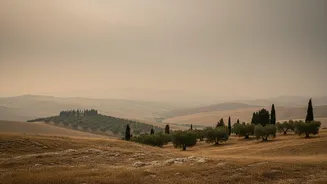
Arenillas’s initiative is a direct response to a major demographic crisis known as 'España Vaciada' or 'Emptied Spain'. For decades, vast inland areas of the country have been steadily losing their populations as younger generations move to large cities in search of education and jobs. This has left behind hundreds of villages with aging residents, shuttered schools, and dwindling essential services. The province of Soria, where Arenillas is located, is one of the least densely populated areas in all of Europe. These repopulation schemes are not acts of charity but practical exchanges: the village gets the new residents, workers, and children it needs to survive, while the family gets an affordable start in a new life.
A Modern Dream Fueled by New Realities
This phenomenon isn't just about nostalgia for a simpler time; it's being fueled by modern trends. The global shift towards remote work has untethered many professionals from the need to live in expensive city centers. The search for a better work-life balance, more space, and a lower cost of living has become a priority for many families post-pandemic. Initiatives like the one in Arenillas tap directly into this desire. While applicants for this specific role needed to be able to work as a mason, other villages are creating programs to attract digital nomads and entrepreneurs, offering not just homes but also co-working spaces and support for new businesses.
Is This the Future for Rural Towns?
Arenillas is not alone. From Ponga in the north to villages in Andalusia, communities across Spain and even Italy are rolling out similar incentives. These programs are becoming increasingly structured, often with the backing of regional governments and dedicated platforms that match families with towns in need. There are, of course, practicalities to consider. Most offers require applicants to already have the legal right to work in Spain, as a small village council cannot sponsor visas. But for those who qualify, it represents a life-changing opportunity. The success of these schemes shows a potential path forward for struggling rural areas, trading empty houses for the vibrant pulse of new families and a renewed sense of hope.