

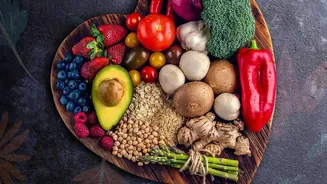
A Foundation Built on Plants
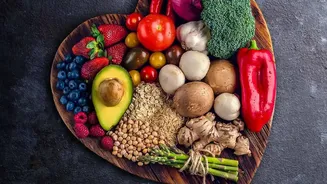
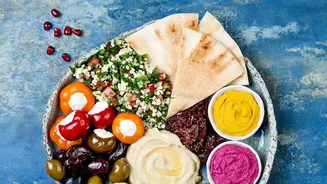
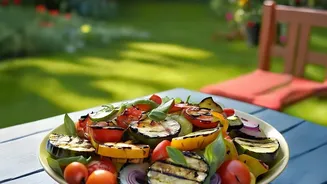
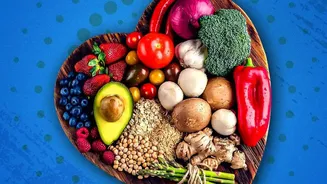
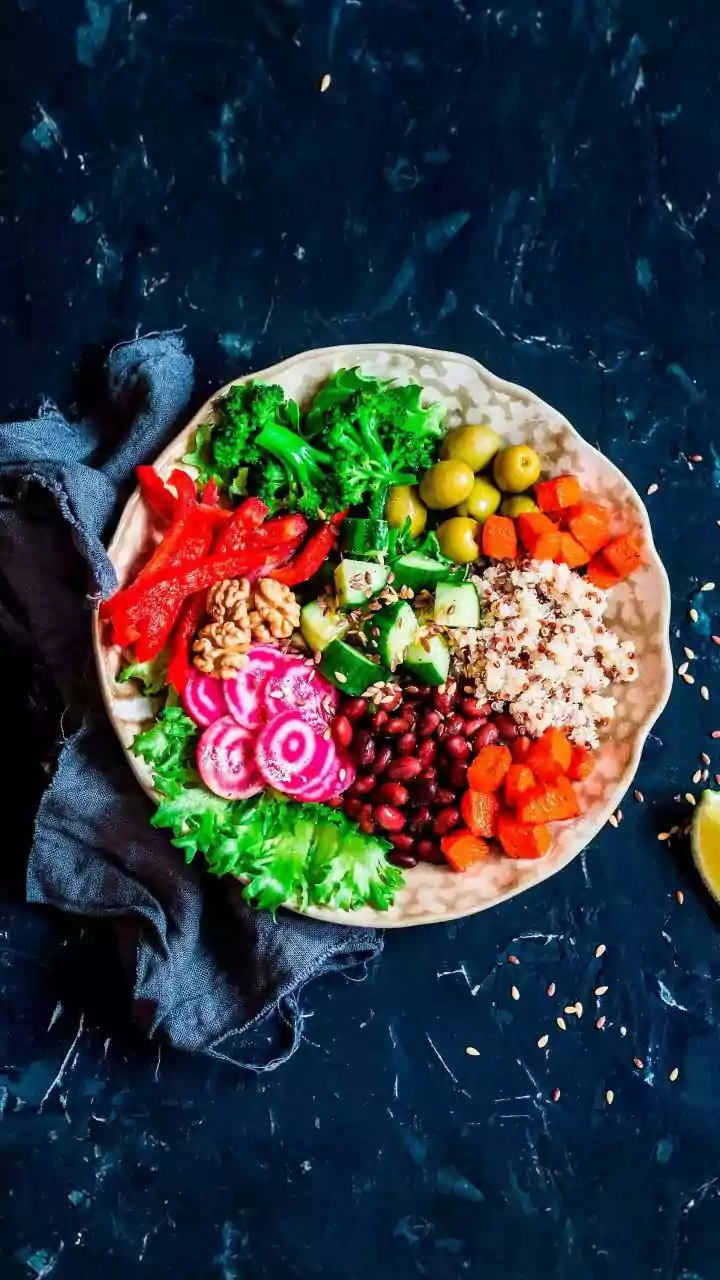
The heart of the Mediterranean diet is its emphasis on plant-based foods. This doesn't mean you must become a vegetarian, but rather that vegetables, fruits, whole grains, legumes, nuts, and seeds should form the foundation of your meals. Think of filling
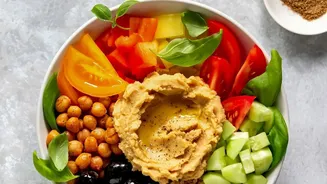
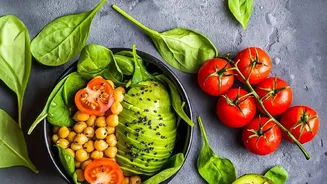
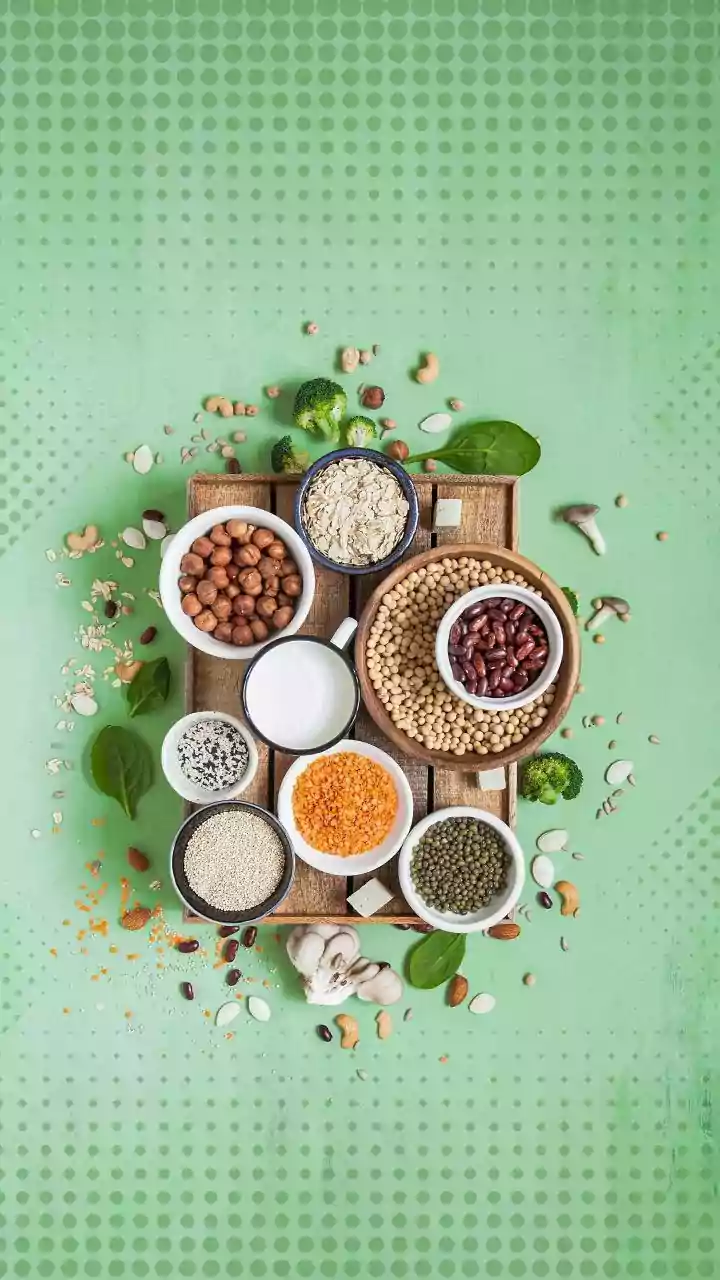
half your plate with colourful vegetables and fruits at every meal. Legumes like lentils, chickpeas, and beans are staples, providing an excellent source of plant-based protein and fiber that helps you feel full and supports digestive health. Whole grains, such as whole-wheat bread, brown rice, and barley, are preferred over their refined counterparts like white bread and pasta. This plant-forward approach ensures a high intake of vitamins, minerals, antioxidants, and fiber, which work together to reduce inflammation and protect against chronic diseases.
Embracing High-Quality Fats
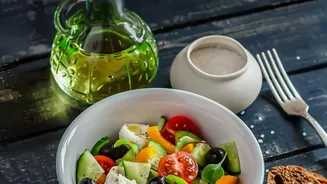
Unlike the low-fat diet crazes of the past, the Mediterranean way of eating celebrates healthy fats. The undisputed star is extra virgin olive oil, used for everything from cooking to dressing salads. This 'liquid gold' is rich in monounsaturated fats, which are known to help lower 'bad' LDL cholesterol and reduce the risk of heart disease. Beyond olive oil, healthy fats are found in nuts, seeds, and avocados. Fatty fish like salmon, sardines, and mackerel are also consumed a couple of times a week, providing essential omega-3 fatty acids that are crucial for brain health and reducing inflammation. The key is choosing these beneficial unsaturated fats over the saturated and trans fats found in butter and many processed snacks.
The Importance of Minimal Processing
A defining feature of the Mediterranean diet is its focus on whole, minimally processed foods. This means choosing foods that are as close to their natural state as possible. Think fresh fruit instead of fruit snacks, whole-grain bread instead of white bread, and fresh fish instead of processed meats like sausages or deli meats. Ultra-processed foods—products often made from manufactured ingredients and containing additives, preservatives, and high levels of sugar and salt—are consumed very rarely. Cooking at home using fresh ingredients and flavouring dishes with herbs and spices instead of excess salt is a cornerstone of this approach. This shift away from processed items naturally lowers your intake of unhealthy fats, added sugars, and sodium while maximizing the nutrients you get from your food.
More Than a Diet, It's a Lifestyle
The health benefits of the Mediterranean tradition are not derived from food alone. The original Greek word for diet, 'diaita', actually means 'way of life'. This philosophy extends beyond the plate to include daily habits. Regular physical activity, getting adequate rest, and sharing meals with family and friends are integral parts of the lifestyle. Eating mindfully, without the distraction of screens, and taking the time to savour food and conversation can enhance the dining experience and foster well-being. In fact, studies suggest that these social and lifestyle factors are strongly associated with the health benefits seen in Mediterranean populations.