




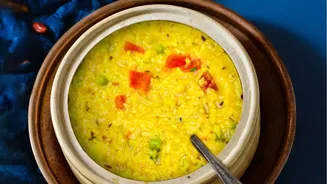
The Nutritional Powerhouse in Your Pantry
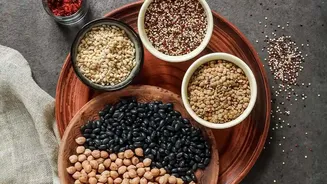
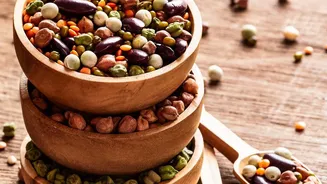
Pulses—the edible seeds of plants in the legume family like lentils, chickpeas, and dried beans—are one of the most nutrient-dense foods available. For generations, they have been considered 'protein for the poor' in many cultures, but their benefits
are rich for everyone. Pulses are packed with plant-based protein, which is essential for muscle repair and growth. They are also an excellent source of dietary fibre, which aids digestion, helps maintain healthy blood sugar levels, and keeps you feeling full for longer. This combination of protein and fibre can be a powerful tool for weight management. Beyond that, they deliver a wealth of crucial micronutrients, including iron to combat anaemia, folate for cell growth, and magnesium for heart and bone health. A single serving can significantly boost your intake of these essential nutrients, making pulses a true superfood hiding in plain sight.
Unlocking Culinary Versatility
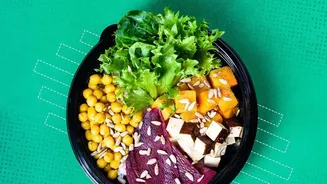
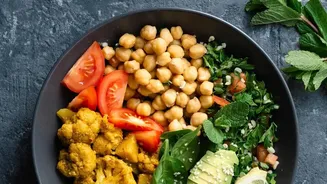
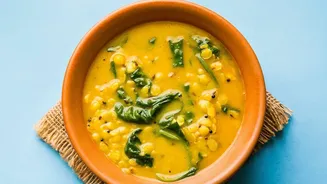
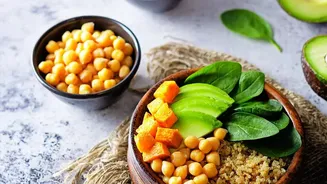
In India, thinking of pulses often brings to mind a comforting bowl of dal. While classics like Toor Dal and Moong Dal are the backbone of our cuisine, the world of pulses offers so much more. Their versatility is a key reason they can serve as a bridge to better nutrition. You can blend cooked pulses to thicken sauces and stews, adding creaminess without the fat. Toss a handful of boiled chickpeas or kidney beans into a fresh salad for a satisfying lunch. Mash them with spices to create delicious kebabs, tikkis, or burger patties. Even breakfast can get a pulse-powered upgrade; flours like besan (chickpea flour) are used to make savoury pancakes and crepes. For a healthy snack, simply roast chickpeas with your favourite spices for a crunchy, guilt-free treat. By looking beyond the dal pot, you can seamlessly integrate these nutritional powerhouses into almost every meal of the day.
Making Pulses Effortless
For some, the preparation time for pulses can feel like a barrier. However, a few simple tips can make cooking with them a breeze. Soaking is the first step for most larger pulses like rajma (kidney beans) and chana (chickpeas). This not only reduces cooking time but also makes them easier to digest. A pressure cooker is a home cook’s best friend, dramatically cutting down the time it takes to get them tender. Lentils like masoor (red lentils) and moong (split green gram) require no soaking and cook very quickly, making them perfect for a fast weeknight meal. You can also cook a large batch of your favourite pulse at the beginning of the week. Store them in the refrigerator, and you'll have a ready-to-use ingredient for salads, stir-fries, and quick curries for the next few days. Sprouting pulses is another excellent method that enhances their nutritional value and makes them easier on the stomach.
A Friend to Your Wallet and the Planet
In an era of rising food costs and growing environmental concerns, pulses stand out as an incredibly smart choice. They are one of the most affordable sources of high-quality protein available, costing a fraction of the price of meat or poultry. Incorporating more pulse-based meals into your weekly menu can significantly reduce your grocery bills without compromising on nutrition. From an environmental perspective, pulses are champions of sustainability. They require significantly less water to grow compared to animal proteins and have a very low carbon footprint. Furthermore, pulse crops are beneficial for soil health because they naturally fix nitrogen, reducing the need for chemical fertilisers. Choosing to eat more pulses is not just a healthy decision for your body; it's a positive choice for the planet and your budget, making it a truly holistic approach to eating well.