



Look Beyond the Perfect Photo
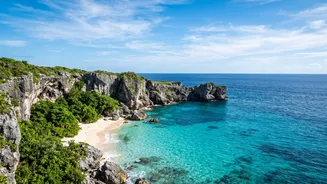
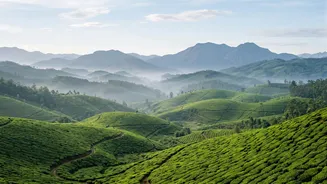
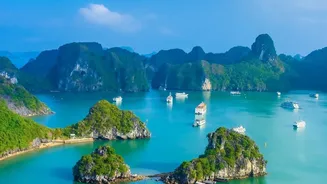
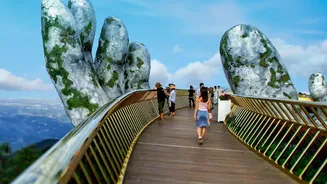
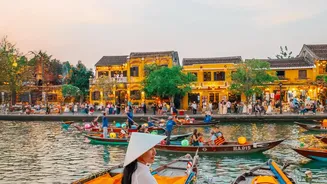
Social media is a powerful tool for discovering new places, but it's designed to show the highlight reel. A stunning photo of a serene beach or an empty ancient ruin often omits the crowd of people just out of frame, the long queue to get there, and the litter
on the ground. To get a more realistic view, actively search for the unpolished version. Look for tagged photos on Instagram instead of just the posts from influencers or brands. Search for the location on YouTube and filter for the most recent videos from regular travelers, not just professionally produced vlogs. These often provide a more candid, on-the-ground perspective of what a place is actually like on a normal day.
Decode the Language of Reviews
A destination's star rating on a review site only tells part of the story. The real insights are in the details of what people are saying. Skim past the generic five-star ("Amazing!") and one-star ("Hated it!") reviews and focus on the moderately positive and negative ones. These often contain more balanced and specific feedback. Look for recurring themes. If multiple reviews from different times of the year mention extreme overcrowding, persistent street vendors, or a feeling that the site is a 'rip-off,' take it as a significant red flag. Pay attention to comments about value for money—is the high entry fee justified by the experience?
Follow the Money Trail
A classic sign of a tourist trap is when everything seems designed exclusively to separate you from your money. While popular spots will naturally have higher prices, there's a difference between premium pricing and outright exploitation. Research the cost of essentials in advance. If restaurants near a major attraction have universally bad reviews and inflated prices, it’s a sign that they don’t rely on repeat business from locals. Also, consider the nature of the attractions themselves. Is the experience interactive and enriching, or is it a passive activity with countless add-ons and up-sells? A genuine cultural experience offers more than just a photo opportunity.
Check the Crowd Calendar
Overtourism can diminish the magic of even the most incredible places. A spiritual moment at a temple is hard to find when you're elbow-to-elbow with hundreds of other people. Many popular destinations are wonderful, but only at the right time. Research the peak and shoulder seasons for your potential destination. Traveling during the off-season can lead to a more authentic and enjoyable experience with fewer crowds and lower prices. For major attractions like theme parks or famous museums, look for crowd calendars online that predict daily visitor numbers. Sometimes, simply visiting on a Tuesday instead of a Saturday can make all the difference.
Seek Out Local and Unfiltered Opinions
The best-kept secrets and most honest warnings often come from people who live in or have extensively traveled the area. Dive into online forums like Reddit (e.g., specific subreddits for a country or city) or dedicated travel groups on social media to ask specific questions. Instead of asking "Is Paris worth it?" ask, "What's a less-crowded alternative to the Louvre for art lovers?" or "Which neighborhoods in Rome have the best food without the tourist markups?" Locals and seasoned travelers can offer invaluable insights and point you toward hidden gems that don't make it into mainstream guidebooks.