

A Taste of Nostalgia
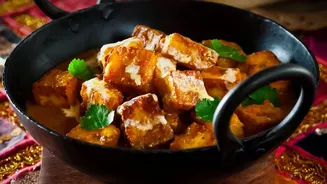
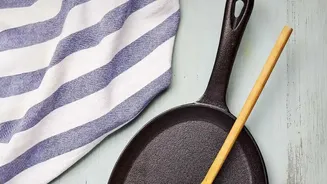
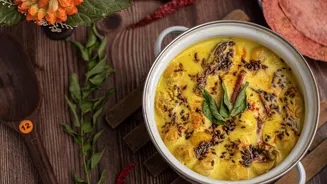
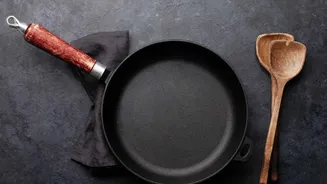
For many, the return to cast iron is deeply personal. It’s a direct link to the kitchens of mothers and grandmothers, a tangible piece of family history. The distinct sizzle of a dosa on a heavy iron tawa or the aroma of a slow-cooked curry from a kadhai
evokes powerful memories of childhood meals. These utensils were not just tools; they were heirlooms, often passed down through generations, each pan holding the story of countless family meals. In a world of disposable convenience, the durability and longevity of cast iron offer a comforting sense of permanence. This revival is partly fuelled by a broader cultural shift towards rediscovering and valuing ancestral wisdom, from forgotten recipes to traditional cooking methods.
The Health-Conscious Kitchen
One of the most significant drivers of this trend is a growing awareness around health and wellness. As consumers become more wary of the synthetic chemical coatings on modern non-stick pans, which can break down at high temperatures and release potentially harmful substances like PFAS, cast iron presents a safer, chemical-free alternative. Furthermore, cooking in cast iron can naturally fortify food with small amounts of dietary iron. This can be particularly beneficial for addressing iron deficiencies, which are common in India, especially among women and children. This natural nutritional boost, combined with the absence of toxic coatings, has convinced many health-conscious families to make the switch back to this traditional cookware.
Unlocking Superior Flavour and Performance
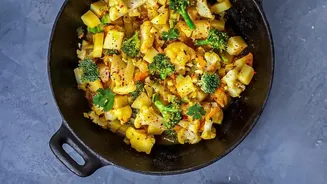
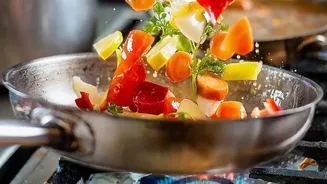
Chefs and seasoned home cooks alike swear by cast iron for its unparalleled cooking performance. Its ability to retain and distribute heat evenly is one of its greatest strengths. This means no more hot spots, resulting in perfectly crisp dosas, evenly seared vegetables, and beautifully browned meats. The material is exceptionally well-suited for many traditional Indian cooking techniques, from the high heat of a tadka to the slow, steady simmer of a rich gravy. Over time, as a cast-iron pan is used repeatedly, it develops a natural non-stick surface called a patina. This seasoned layer not only prevents food from sticking but also enhances the flavour of dishes, creating a depth that modern cookware often struggles to replicate.
The Ritual of Care
The perception that cast iron is difficult to maintain has often deterred potential users. The process of "seasoning"—curing the pan with oil to create a protective, non-stick layer—can seem intimidating. However, many modern brands now offer pre-seasoned cookware that's ready to use. For those starting from scratch, seasoning is a straightforward process of applying oil and heating the pan. Daily care is also simpler than many believe: it involves gentle washing (often just with hot water), thorough drying to prevent rust, and applying a thin layer of oil before storage. Rather than a chore, many users have come to see this maintenance as a rewarding ritual, a mindful practice that connects them to their tools and the food they create.
From Heirloom to Hot Trend
The resurgence of cast iron is not just happening in family kitchens; it's a visible trend amplified by social media. Food bloggers and influencers share images of perfectly golden-brown dosas and rustic, sizzling skillet dishes, inspiring a new generation to embrace this traditional tool. In response to this growing demand, a new wave of Indian startups and established brands are manufacturing high-quality cast-iron cookware, making it more accessible than ever. These companies are blending timeless craftsmanship with modern design, offering products that are both functional and aesthetically pleasing, fitting seamlessly into contemporary kitchens while honouring a rich culinary legacy.