

A Vision of a Spice Island
In 1822, just a few years after establishing a trading post, Sir Stamford Raffles, a keen naturalist, set his sights on a grander vision. He aimed to transform Singapore into a major player in the lucrative global spice trade, a market then dominated
by the Dutch. His plan was to create a botanical and experimental garden to cultivate valuable crops. The chosen site was Government Hill, now known as Fort Canning Park. This wasn't merely about planting trees; it was a strategic move to break monopolies and establish Singapore's economic footing through agriculture.
The First Botanical Garden
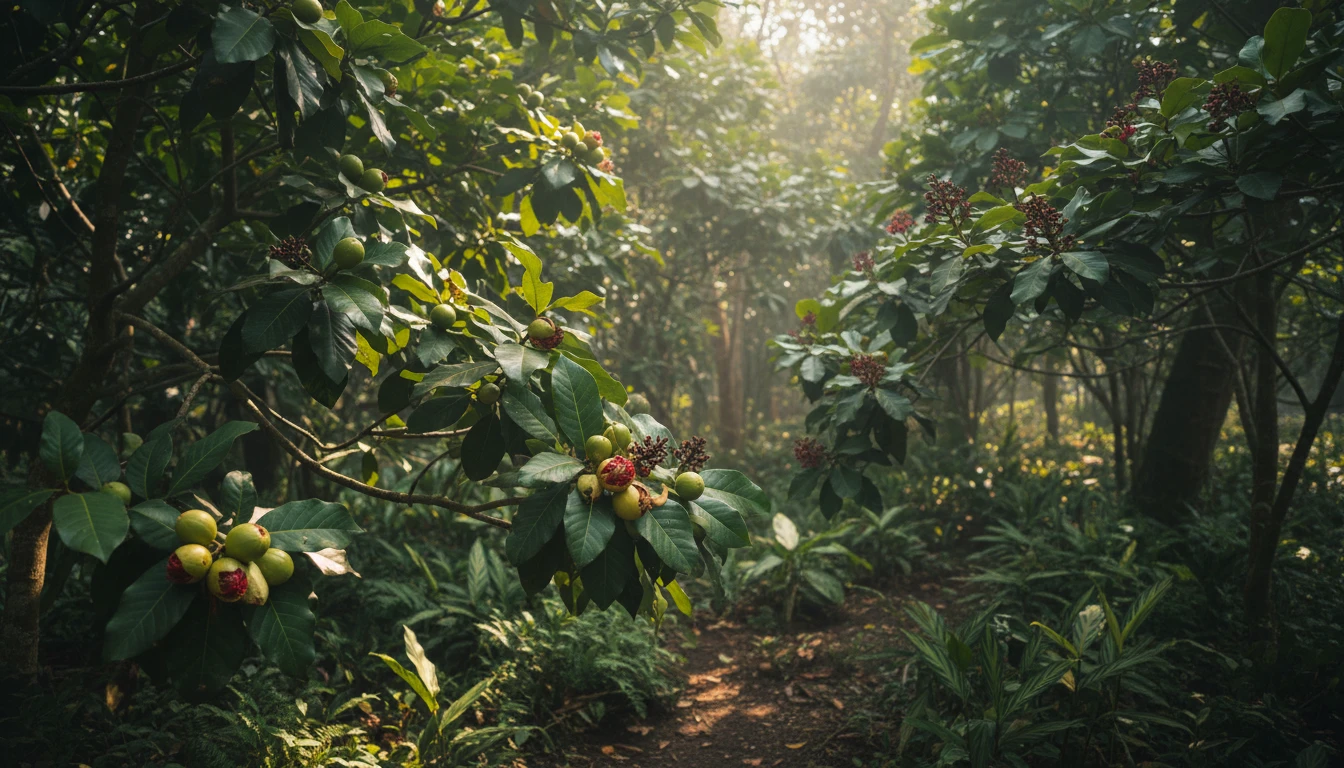
The 20-hectare garden on the hill's eastern slopes became Singapore’s first botanical garden. The initial focus was narrow and commercial: nutmeg and cloves were the stars. The garden began modestly with an initial planting of hundreds of clove trees and nutmeg seeds. Raffles, with the help of botanist Nathaniel Wallich, intended for the garden to experiment with crops that could power the island's economy. Beyond spices, other cash crops like gambier, pepper, and even coffee were tested, marking the area as a hub of agricultural innovation.
An Experiment with an Expiry Date
For a time, the experiment thrived, with the number of nutmeg trees growing into the hundreds. The slopes of Fort Canning were covered in plantations that formed the backbone of the local economy for over three decades. However, the garden's success was tied to its founder. After Raffles' death and with dwindling official support and high maintenance costs, the ambitious project fell into decline. In 1829, just seven years after it began, the first botanical garden was officially closed and the land reallocated.
A Legacy That Moved and Grew
Though the original garden at Fort Canning ceased to exist, the spirit of the enterprise did not die. The idea of a botanical garden dedicated to research and economics was a powerful one. Thirty years later, in 1859, the Singapore Agri-Horticultural Society established a new garden at Tanglin, which would evolve into the Singapore Botanic Gardens we know today. This new garden would eventually achieve world-renowned success, particularly with the cultivation of rubber, which transformed the regional economy. The first experiment at Fort Canning, therefore, wasn't a failure but a foundational first draft.
Walking Through History Today
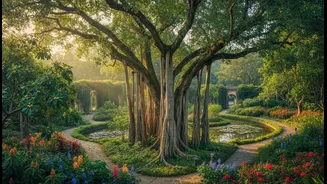
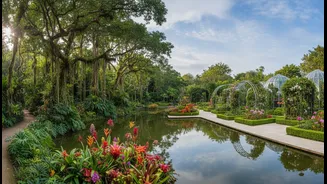
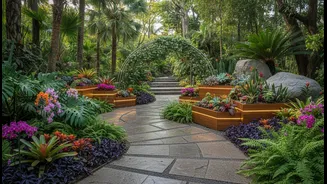
Today, visitors to Fort Canning Park can walk through a replica of that pioneering garden. The modern Spice Garden showcases over 180 plant varieties, serving as a living museum of Singapore's spice trade history. Informative panels and recreations, like a traditional spice shop, help visitors understand the journey of these valuable plants from cultivation to global trade. You can see the very nutmeg and clove trees that were central to Raffles' vision, alongside pepper and gambier, which were cultivated even before colonial times. It stands as a fragrant reminder of the island’s earliest botanical ambitions, a direct ancestor to Singapore's modern identity as a 'City in a Garden'.