


More Than Just Stacking Rocks
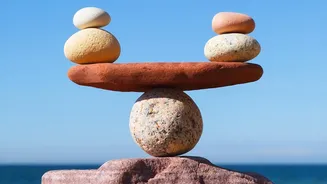
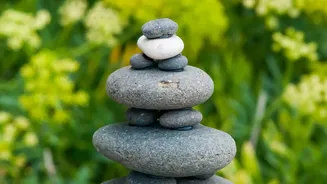
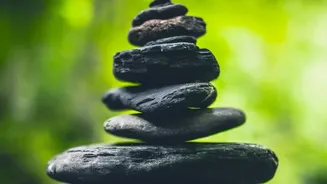
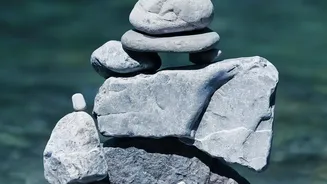
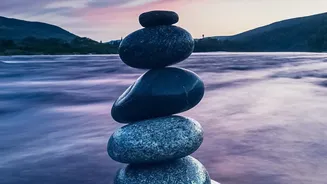
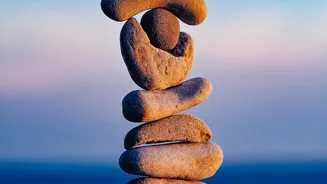
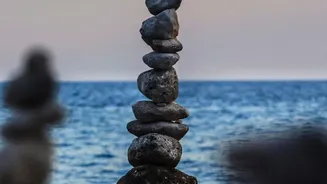
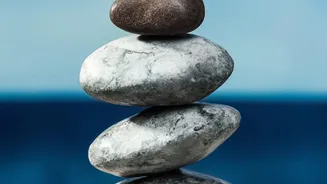
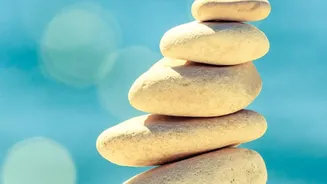
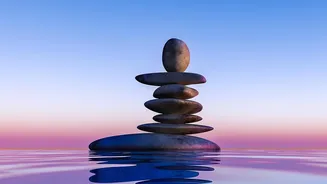
At its core, stone balancing is the art of stacking rocks in improbable formations without using any adhesives, wires, or tricks. It is a dialogue between you, the stones, and gravity. Practitioners don't just pile stones; they feel for unique contact
points, tiny indentations, and subtle shifts in weight to find a point of perfect equilibrium. This ancient practice, seen across cultures as a form of trail-marking or prayer, has evolved into a modern meditative art. It transforms a simple, natural setting into a gallery of temporary sculptures, each one a testament to patience and presence.
Achieving a Meditative Flow State
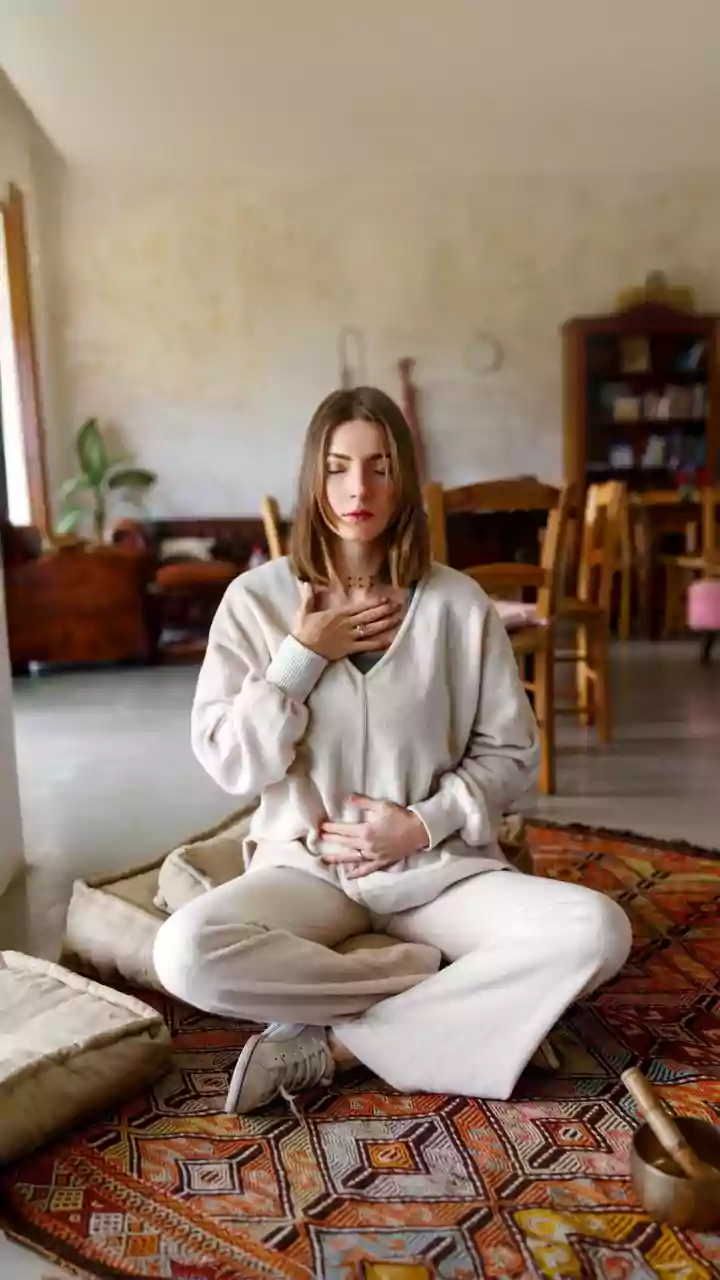
The primary benefit reported by enthusiasts is a profound sense of mental clarity. The intense concentration required to balance a stone stills the mind's incessant chatter, inducing what psychologists call a “flow state.” In this state, you are fully immersed in the present moment, and the sense of time can melt away. This single-minded focus is a powerful form of mindfulness, a practice that encourages non-judgmental awareness of the now. Hours can be spent on a single sculpture, and practitioners often describe the experience as one where nothing else seems to exist outside of the delicate task at hand.
A Workout for Mind and Body
Stone balancing is as much a physical discipline as it is a mental one. The act of selecting, lifting, and delicately placing each stone requires precise hand-eye coordination. It’s an activity that sharpens fine motor skills, demanding control and dexterity. Furthermore, it enhances proprioception—your body's innate ability to know where it is in space without looking. As you feel for the centre of gravity in a stone, you are also refining your own sense of balance and physical awareness. This combination of mental focus and physical control creates a unique union of mind and body, working in complete harmony.
Patience, Presence, and Letting Go
Beyond focus, the practice cultivates deep-seated patience. A structure can take minutes or hours to create, and it might fall many times before it holds. This teaches resilience and the ability to work through frustration. But there's another crucial lesson: impermanence. A gust of wind or a passing animal can topple a sculpture in an instant. Rather than causing anger, many balancers embrace this transient nature. They learn to appreciate the creative process and the present moment without becoming attached to the outcome, often knocking over their own creations as a final act of letting go.
Your First Steps into Balancing
Getting started is simple. Find a quiet spot with a variety of stones. Beginners are advised to start small, perhaps with just one or two rocks, to get a feel for the process. Look for stones with small divots or imperfections that can serve as contact points. The key is to find what some call a “triangle” of contact—three points that create a stable base. Hold the rock, feel where it wants to fall, and gently adjust it in the opposite direction until you sense a point of stillness. Don’t get discouraged if they tumble; that is part of the process. The most important tool you have is not a special type of rock, but a patient and playful mindset.