





The Sobering Statistics
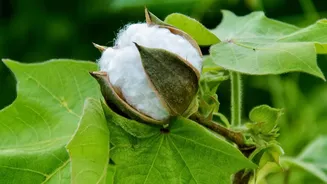
The numbers for the current Kharif season paint a bleak picture for what was once a cornerstone crop. The area under cotton cultivation has fallen to an all-time low of approximately 80,000 hectares. This figure is a dramatic drop from the 1.19 lakh hectares sown
just a year prior in 2025-26 and misses the government's target of 1.25 lakh hectares by a wide margin. This isn't a sudden dip but the culmination of a worrying trend. The state's cotton acreage has been shrinking for years, a far cry from the over 5 lakh hectares it commanded in 2011-12. This decline is more than an agricultural statistic; it's a direct setback to the urgent goal of weaning Punjab's farmers off the water-guzzling paddy-wheat cycle.
A Perfect Storm of Problems
So, why are farmers turning their backs on cotton? The answer lies in a combination of recurring pest attacks, economic unpredictability, and adverse weather. For several consecutive seasons, growers have faced devastating losses from pests, most notably the pink bollworm and whitefly. These infestations have become so severe that they can wipe out a significant portion of the crop, making it a high-risk venture. The notorious pink bollworm has even developed resistance to some genetically modified Bt cotton seeds, leaving farmers vulnerable despite technological interventions. Adding to the pest menace are rising input costs for pesticides and unpredictable yields, which have shattered farmer confidence. After suffering repeated losses, many find the risk of another failed cotton crop too great to bear.
The Inescapable Pull of Paddy
With cotton becoming an increasingly risky proposition, many farmers are reverting to the one crop that offers a safety net: paddy. The primary driver for this is the government's robust procurement system and guaranteed Minimum Support Price (MSP) for paddy and wheat. While cotton also has an MSP, its procurement is not as assured, and farmers often report selling their produce to private players at rates well below the official price, especially if the quality is deemed poor. This lack of a reliable market and assured income for alternative crops makes the paddy-wheat cycle the default, economically safer choice, despite its disastrous impact on Punjab’s groundwater levels. The state's push for diversification falters when the alternatives can't compete with the security offered by the traditional cropping pattern.
Diversification: A Goal in Limbo
For years, state and central governments have been promoting crop diversification to save Punjab's rapidly depleting water table and improve soil health. Initiatives have included subsidies on seeds for alternative crops like cotton and awareness campaigns. The government even announced a 33% subsidy on certified cotton seeds to encourage farmers. However, these efforts have failed to make a significant dent. The recent drop in cotton acreage shows that subsidies alone are not enough to counter the on-ground realities of pest attacks and price uncertainty. Farmers need a comprehensive support system that includes effective pest management strategies, access to quality, disease-resistant seeds, and, most importantly, an assured marketing infrastructure for diversified crops that can rival the stability of the paddy procurement system.