







Pack Smart: Your First Line of Defence
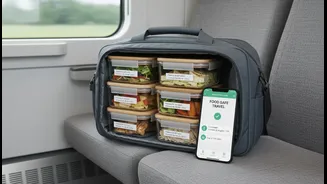
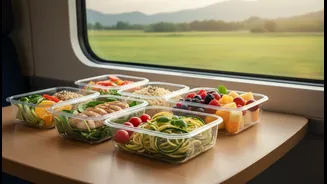
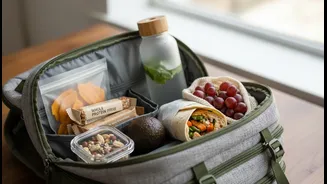
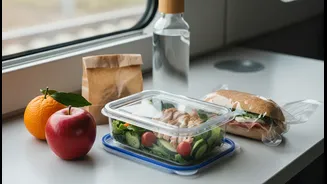
The safest meal on a train is often the one you pack yourself. But not all homemade food travels well. Focus on dry, long-lasting items. Think theplas, puris with a dry potato sabzi, or savoury snacks like mathri and roasted chana. South Indian staples
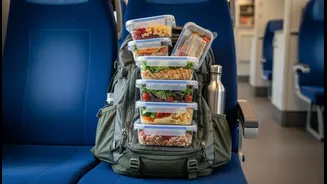
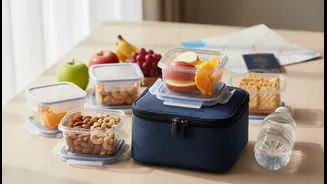
like tamarind rice (puliyodarai) and lemon rice are also great as they have a longer shelf life without refrigeration. Pack easy-to-eat fruits that you can peel, like bananas and oranges, which protect the fruit inside from contamination. Avoid packing items that spoil quickly in the Indian heat. This includes milk-based products, gravies, non-vegetarian dishes, and pre-cut salads. Use airtight containers to keep your food fresh and prevent spills.
The 'Eat-First' Rule for Perishables
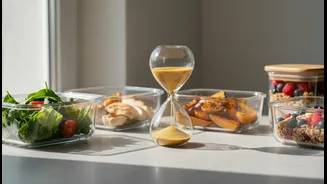
If you do pack something more perishable, like a sandwich or a simple paratha, make it a rule to consume it within the first few hours of your journey. The longer food sits in the fluctuating temperatures of a train compartment, the higher the risk of bacterial growth. This simple timeline strategy ensures you enjoy your fresh food before it has a chance to turn. For the rest of the journey, rely on your stash of dry snacks, nuts, and fruits. Planning your meals this way minimizes waste and, more importantly, risk.
Buying Food on the Go: Be a Smart Shopper
It's tempting to buy from every vendor that passes by, but a little caution goes a long way. When buying from station stalls or the pantry car, always opt for food that is freshly prepared and served hot. The heat helps kill most harmful bacteria. Steer clear of food that is uncovered or looks like it has been sitting out for a while. Be especially wary of pre-cut fruits and raw items like salads. A growing number of stations are FSSAI-certified as ‘Eat Right Stations’, which indicates a higher standard of hygiene and safety; these are your best bet for station purchases. If possible, use IRCTC's e-catering services to order from reputable restaurants for delivery to your seat.
Trust Your Senses: The Ultimate Safety Check
Your best food safety tools are your own senses. Before you eat anything, give it a quick check. Does it smell right? Does it look fresh? If something has an unusual odour, a strange colour, or a sour taste, do not eat it. It's always better to be safe than sorry, even if it means skipping a meal you've paid for. This applies to both packed food and purchased items. Being vigilant is the final and most important step in protecting yourself from foodborne illnesses on your journey.
Hydration and Hygiene: The Unsung Heroes
Food safety isn't just about the food itself; it's also about what you drink and how clean your hands are. Always stick to sealed bottled water from reliable brands like Rail Neer. Avoid ice in your drinks unless you are certain it was made with purified water, which is unlikely. Before you eat, wash your hands thoroughly with soap and water. If that's not an option, a hand sanitiser is your next best friend. Carrying your own spoon or fork can also reduce direct contact with food and potential germs. These small habits can make a huge difference in staying healthy.