


You Eat With Your Eyes First
The old saying 'you eat with your eyes first' is more than just a charming cliché; it's a fundamental truth grounded in neuroscience. The emerging field of neurogastronomy studies how our brain constructs the sensation of flavour. It reveals that what
we call 'taste' is a complex blend of sensory inputs, with vision being one of the most powerful. Before a dish's aroma reaches you or its texture is felt, your eyes have already scanned the plate, sending rapid signals to your brain. This visual information creates a set of expectations about the quality, flavour, and even the enjoyment you're about to experience. A beautifully arranged plate signals care and quality, priming you for a delicious meal. Conversely, a messy or haphazard presentation can lower your expectations, potentially making the food seem less appealing, even if the ingredients are identical.
The Science of a Pretty Plate
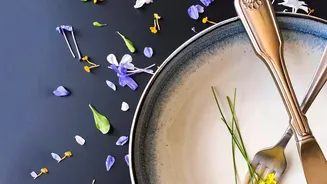
Researchers have found that specific visual cues can dramatically alter our perception of flavour. Colour is a major factor. We are conditioned from a young age to associate colours with tastes: red with sweetness, green with sourness, and so on. Studies show that simply changing the colour of a food or drink can fool even trained palates. In one famous experiment, wine experts described a white wine that had been dyed red using terms typically reserved for red wines. The plate itself also plays a crucial role. Research has shown that desserts served on white plates can be perceived as sweeter, while snacks in red bowls may taste saltier to picky eaters. This is because the contrast and colour of the dinnerware frame our perception of the food. A round, white plate often enhances perceptions of sweetness and quality, making it a classic choice in fine dining.
Order, Balance, and Artistry
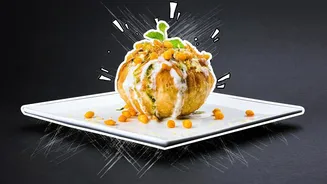
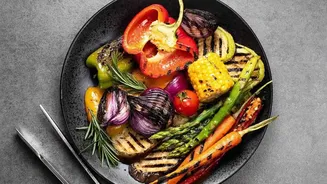
Our brains are wired to appreciate order and patterns. A neatly arranged dish is perceived as more appealing and is often rated as tasting better than the exact same food presented messily. This is because neatness implies that care and effort were put into the preparation, which we subconsciously associate with higher quality. Professional chefs use established techniques to create this visual harmony. Methods like the 'clock method' (placing protein between 3 and 9 o'clock, starches from 9 to 11, and vegetables from 11 to 3) create a balanced and predictable composition. Other techniques focus on creating height by stacking ingredients, using negative space to make the dish look more elegant, and employing sauces as artistic 'paint' to add colour and movement. These artistic choices aren't just for show; they are deliberate strategies to guide the dining experience and enhance enjoyment.
Bring the Art to Your Table
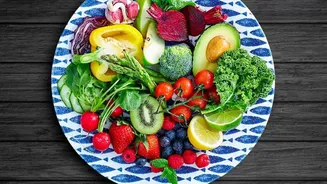
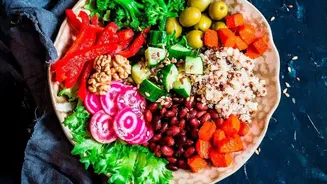
You don't need to be a professional chef to leverage the power of presentation. Applying a few simple principles at home can elevate your everyday meals. Start by choosing the right plate; a simple white plate often makes the colours of the food pop. Instead of piling food in the centre, think about composition. Try to create a little height and ensure there's a variety of colours and textures on the plate. Even a simple garnish, like a sprinkle of fresh coriander or a few chopped nuts, can add a burst of colour and textural contrast that makes a dish more visually exciting. In an age of social media where 'foodstagramming' is part of the dining ritual, presentation is more important than ever. A thoughtfully plated meal is not only more enjoyable to eat but also more satisfying to share, turning a simple dinner into a more memorable experience.