






What Exactly is Changing?
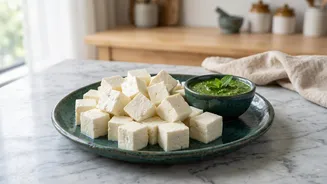
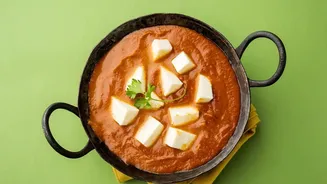
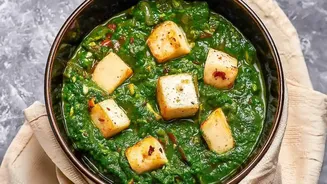
The Food Safety and Standards Authority of India (FSSAI) has introduced draft regulations aimed at clarifying what can and cannot be called 'paneer'. The proposal is simple but significant: the term 'paneer' should be reserved exclusively for products
made by curdling milk and separating the curd from the whey. Products that use substitutes like vegetable oil, starches, or other non-milk ingredients to mimic paneer will no longer be allowed to use the word on their packaging or in their marketing. This move is designed to prevent consumers from being misled about the product's true nature and composition. Hotels, restaurants, and caterers would also be required to clearly state on their menus if they are using a paneer substitute.
The Rise of 'Analogue' Paneer
The push for these new rules comes from the growing prevalence of what is known as 'analogue' or 'synthetic' paneer. This is a product designed to look and feel like real paneer but is made by replacing milk fat, either partially or entirely, with cheaper vegetable fats and oils. While not always illegal, these analogue products are nutritionally different, often lower in protein and vital nutrients while being higher in unhealthy fats. Concerns over consumer deception and public health have been rising, especially after several states, including Maharashtra and Gujarat, took action against the sale of unlabelled analogue paneer after finding high rates of adulteration in samples.
What Will the Alternatives Be Called?
These non-dairy or mixed-fat products won't disappear from shelves, but they will have to be renamed. The draft rules state that products already licensed under the 'Analogue in Dairy Context' category must stop using the term 'paneer'. While a final name hasn't been mandated, they will likely be labelled clearly as 'analogue' products to distinguish them from authentic, milk-based paneer. This ensures transparency, allowing shoppers to understand that they are buying a substitute, not the real thing. The goal isn't to ban these alternatives but to ensure they are sold honestly.
How to Be a Smart Shopper Right Now
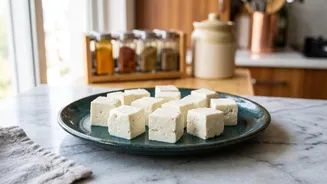
While these rules are still in the proposal stage, you don't have to wait to become a more discerning paneer buyer. The key is to read the ingredients list on the packaging. Real paneer will list milk or milk solids as its primary ingredient. If you see 'vegetable oil', 'palm oil', 'hydrogenated vegetable fat', or 'starch' listed, you are likely looking at an analogue product. Texture can also be a clue. Real paneer is typically soft and slightly crumbly. Analogue versions can feel rubbery, overly smooth, or spongy. A fresh, milky aroma is another sign of purity; a chemical or sour smell suggests otherwise.
Is Tofu the Same as Analogue Paneer?
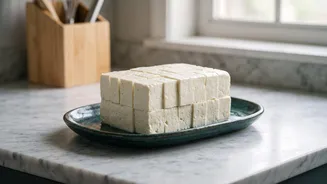
It's important not to confuse analogue paneer with tofu. Tofu is a healthy, plant-based product in its own right, made from soybeans. It has never been marketed as milk paneer. Analogue paneer, on the other hand, is specifically created to imitate dairy paneer, often by blending milk solids with non-dairy fats. The new regulations are not targeted at distinct products like tofu but rather at those products that masquerade as paneer, using its name and reputation to attract buyers who are seeking a traditional dairy product.