


From Grand Buffets to Meaningful Menus
For decades, the success of an Indian wedding was often measured by the scale of its food spread. Abundance was everything, with buffets featuring dozens of dishes from multiple cuisines. While the spirit of generous hospitality remains, the approach
has evolved. Couples are now moving away from overwhelming options and focusing on quality over quantity. The trend is shifting from simply impressing guests to connecting with them. Instead of a generic multi-cuisine layout, menus are becoming more intentional, designed to tell a story about the couple's heritage, travels, or favourite foods. This has paved the way for more thoughtful dining experiences, where every dish served has a purpose and a place.
A Return to Regional Roots
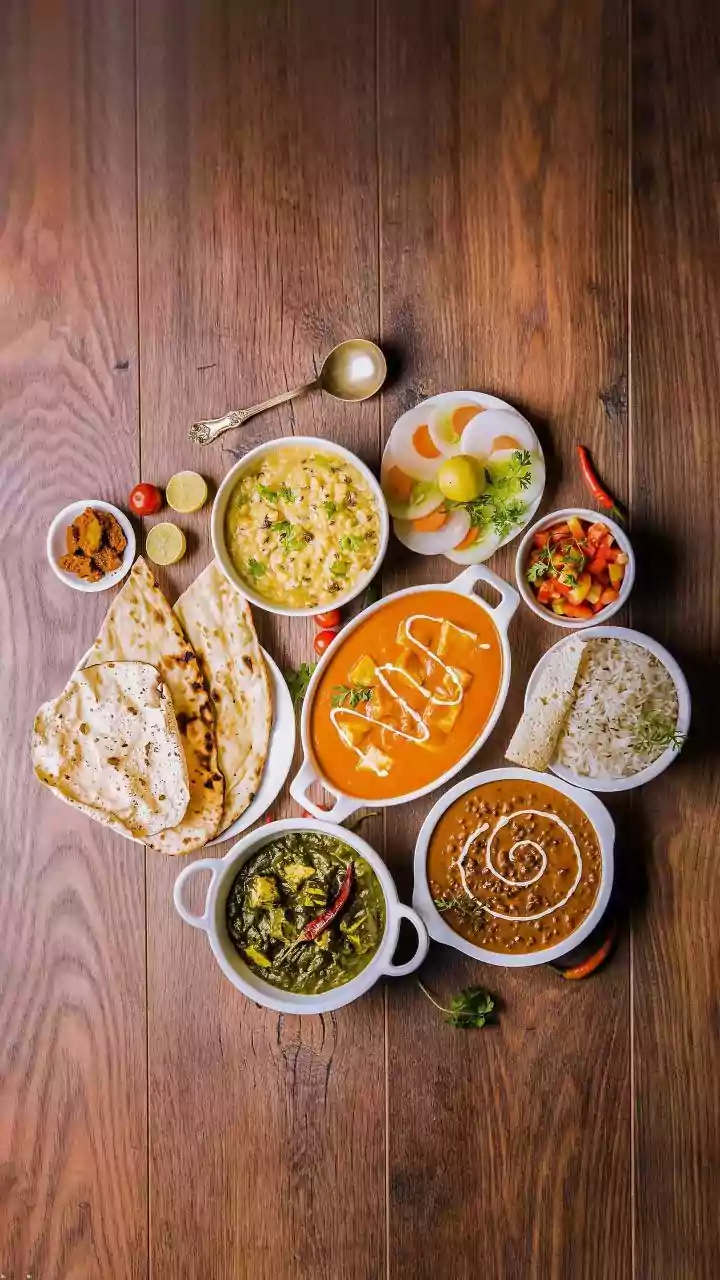
One of the most significant trends is the celebration of hyper-regional cuisine. As weddings become more personalised, couples are using food to honour their family traditions and cultural identity. Instead of sticking to pan-Indian crowd-pleasers, they are proudly showcasing the specific flavours of their hometowns. This could mean a wedding uniting two families might feature distinct food stations: a Chettinad counter representing the groom's side and a Kathiawadi spread for the bride's. For cross-cultural weddings, this becomes a beautiful way to introduce guests to each other's backgrounds, with dishes like Bengali classics, a full South Indian sadhya experience, or specific delicacies from a particular community taking centre stage. It's about serving food that feels like home, creating a sense of nostalgia and authenticity.
The Farm-to-Pandal Movement
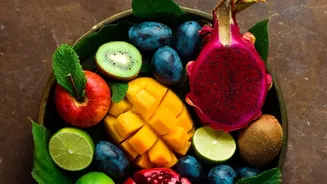
Mirroring a global shift towards sustainability, the farm-to-table concept is making a significant mark on Indian weddings. This approach prioritises using fresh, locally sourced, and seasonal ingredients. Not only does this result in food that tastes better and is more nutritious, but it also supports local farmers and reduces the wedding's carbon footprint. Caterers are working with local producers to source everything from organic vegetables to regional grains and spices. This means menus are changing with the seasons—think refreshing aam panna and kokum sherbets for a summer wedding, and hearty, warming dishes like Undhiyu or Sarson ka Saag in the winter. This commitment to seasonality ensures a unique and flavourful dining experience that reflects the time and place of the celebration.
Interactive and Immersive Dining
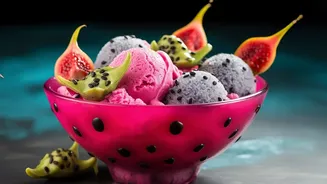
The trend extends beyond the plate to the entire dining experience, which is becoming more theatrical and engaging. Traditional buffets are increasingly being replaced or supplemented by interactive live stations. These counters, where chefs prepare dishes like fresh dosas, stir-fries, or chaat in front of guests, add an element of entertainment and customisation. DIY food bars are also popular, allowing guests to build their own pasta, salads, or tacos. This interactive format encourages mingling and creates a more relaxed, festive atmosphere. Even desserts are becoming an experience, with live jalebi counters, artisanal kulfi stations, and custom mocktail bars that tell a story.