






The Return of the Third Pedal
In the world of high-performance supercars, the manual gearbox has been all but extinct for over a decade. The last time Ferrari offered a new model with a traditional three-pedal setup and a gated shifter was with the California in 2012. Since then,
lightning-fast dual-clutch transmissions (DCTs) have become the standard, prized for their incredible shift speeds and efficiency. While undeniably quicker, many enthusiasts missed the mechanical connection and driver involvement of rowing their own gears. In response to persistent demand from clients, Ferrari has unveiled a surprising solution: the 12Cilindri Manuale, a limited-edition version of its new V12 flagship that brings back the manual experience, albeit in a very 21st-century way.
Manuale By-Wire: A Digital Illusion
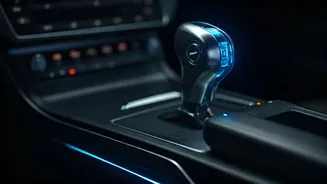
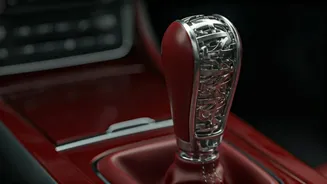
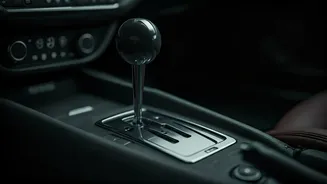
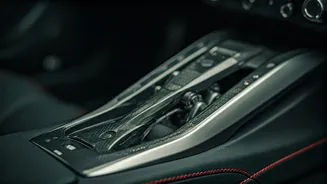
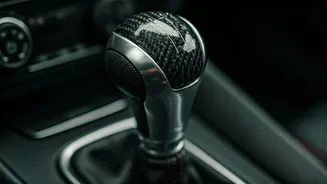
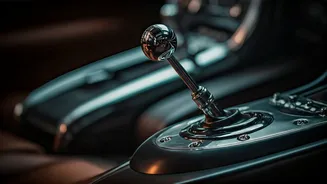
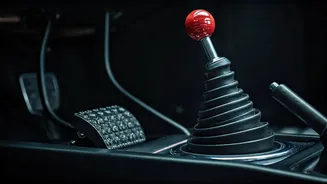
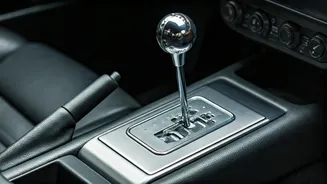
The 12Cilindri Manuale does not have a traditional manual transmission. Instead, it features an ingenious system called 'Manuale By-Wire'. This technology uses the car's existing 8-speed dual-clutch automatic gearbox but adds a physical clutch pedal and a classic-style gated shifter in the cabin. Crucially, neither the shifter nor the clutch pedal has any physical or hydraulic link to the transmission itself. They are sophisticated electronic interfaces. When the driver presses the clutch or moves the beautiful aluminium lever, sensors translate these physical movements into electronic signals that instruct the DCT how to behave. The result is an impressively realistic simulation of a six-speed manual gearbox, right down to the signature 'clink-clink' sound of the metal-on-metal shifter.
Engineering the Analogue Feeling
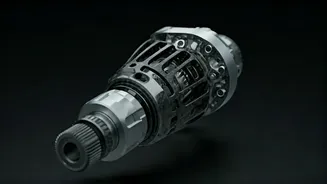
Ferrari's engineers went to extraordinary lengths to make the simulation feel authentic. The clutch pedal, for instance, requires about 30 pounds of force and uses a system of cams and springs to replicate the resistance and bite point of a real clutch. The gear lever itself is a mechanical marvel, using rollers and rotating drums to generate realistic resistance and feedback as you move it through the H-pattern gate. The system is so advanced that it even simulates the consequences of poor technique. If you release the clutch too quickly, the car will jerk. Get it wrong when pulling away, and the powerful 819-horsepower V12 engine can actually stall. However, the software also includes safety measures to prevent destructive 'money shifts' into the wrong gear at high speed.
The Best of Both Worlds?
This innovative approach offers a unique blend of engagement and convenience. In manual mode, the driver has control over the first six gears, perfect for spirited driving. But with the press of a button, the system can switch back to a fully automatic eight-speed mode, ideal for city traffic or long distance cruising. This dual personality means drivers don't have to sacrifice the raw performance enabled by modern transmissions. The 0-100 km/h time of 2.9 seconds, achieved in automatic mode, remains intact. By opting for a by-wire system, Ferrari avoided the significant engineering challenge and performance compromises of developing a true mechanical manual capable of handling the V12 engine's immense power.
A Bridge Between Past and Future
The 12Cilindri Manuale, which will be built in a limited run of just 1,499 units, represents more than just a clever piece of engineering. It's a strategic move by Ferrari to cater to a deep-seated desire for a more analogue and emotionally resonant driving experience in an increasingly digital automotive landscape. It follows a similar concept pioneered by Koenigsegg with its CC850. While purists may debate whether a simulation can ever replace the real thing, Ferrari is betting that the combination of tactile feedback, driver involvement, and modern performance is a winning formula. It’s an attempt to preserve the soul of classic motoring while embracing the possibilities of future technology.