




A Fright at 35,000 Feet
On August 4, 2026, passengers on Air India flight AI2379 from Phuket to Delhi were jolted from their morning calm. While cruising at altitude, the Airbus A320 hit a pocket of severe turbulence, causing the aircraft to suddenly lose approximately 300 feet.
For those not secured, the results were immediate and frightening. Passengers and crew members were thrown against the cabin ceiling, with eyewitnesses describing a chaotic scene of flying objects and people. In the end, at least 15 people, including cabin crew, sustained injuries requiring hospital evaluation. Passenger accounts paint a terrifying picture, with one person telling reporters, "We thought we would die." While the aircraft landed safely in Delhi, the incident serves as a powerful case study in the physics of flight and the importance of simple precautions.
The Invisible Threat in the Sky
What happened on the Air India flight was likely an encounter with Clear-Air Turbulence, or CAT. Unlike the turbulence associated with stormy clouds, CAT is invisible to the eye and to conventional weather radar, making it nearly impossible for pilots to anticipate. It's caused by wind shear—abrupt changes in wind speed or direction—often found near the fast-moving jet streams that aircraft use to save time and fuel. Worryingly, scientists have found that these incidents are becoming more common and more intense. Research from the University of Reading shows that the frequency of severe clear-air turbulence has increased by 55% over the busy North Atlantic route between 1979 and 2020. The culprit? Climate change, which is altering temperature differences in the atmosphere and strengthening the wind shear that creates CAT.
The Simple Rule Everyone Ignores
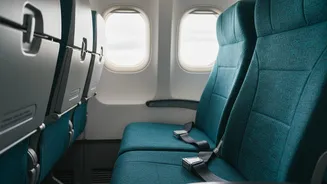
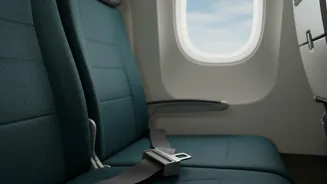
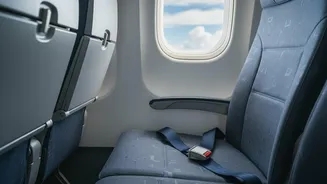
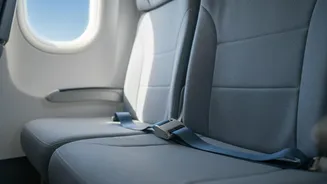
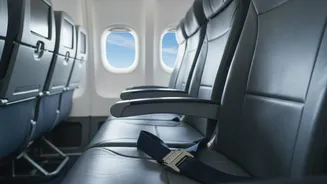
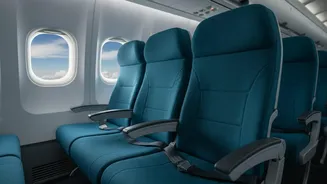
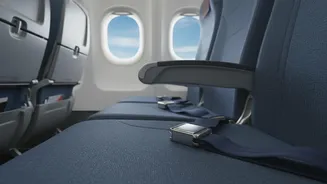
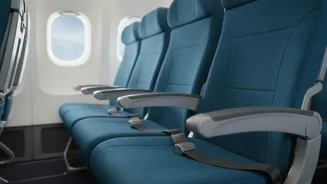
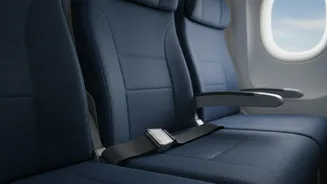
Aviation experts are unanimous on one point: the single most effective defence against turbulence-related injury is the seatbelt. According to safety authorities, almost all serious injuries in these incidents happen to people who are not buckled in. Even a loosely fastened seatbelt can prevent a person from being launched from their seat during a sudden drop. Pilots and experienced flyers often keep their belts fastened throughout the flight, even when the seatbelt sign is off. The sign illuminates when pilots anticipate rough air, but clear-air turbulence, by its nature, strikes without warning. The forces in severe turbulence can easily overcome a person's ability to hold on, making the seatbelt your only reliable protection. Keeping it on isn't just about personal safety; it prevents you from becoming a projectile that could injure others.
Beyond the Buckle: Industry-Wide Solutions
While passengers have a critical role to play, the aviation industry is also working to mitigate the risks. Airlines and regulatory bodies like the FAA are constantly refining operating procedures and training to help crews manage turbulence events. This includes better communication protocols between the cabin and the cockpit, so pilots are aware of the conditions passengers are experiencing. Technologically, advancements are being made in forecasting. The FAA has been working with research centres to develop turbulence "nowcast" systems that can provide pilots with more immediate, short-term forecasts to help them make tactical detours. Furthermore, there is an ongoing effort to modernize the system pilots use to report weather conditions, moving towards digital and automated sharing to create a more comprehensive, real-time map of turbulent zones.
Your Pre-Flight Safety Checklist
While flying remains one of the safest modes of transportation, you can make it even safer. First, always listen to the pre-flight safety briefing and follow cabin crew instructions. They are highly trained professionals whose primary job is your safety. Second, ensure all your carry-on luggage is securely stowed. An item as seemingly harmless as a laptop or tablet can become a dangerous projectile in severe turbulence. If you're travelling with children under two, the safest place for them is in an approved child restraint system, not on your lap. If you're a nervous flyer, choosing a seat over the wings may offer a slightly smoother ride, as it's closer to the aircraft's centre of gravity. Finally, and most importantly, keep your seatbelt fastened whenever you are seated.