


The Child of Krakatoa
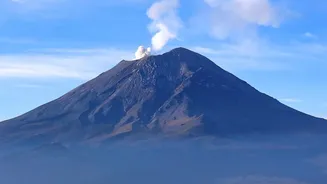
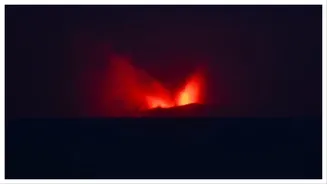
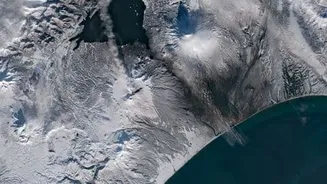
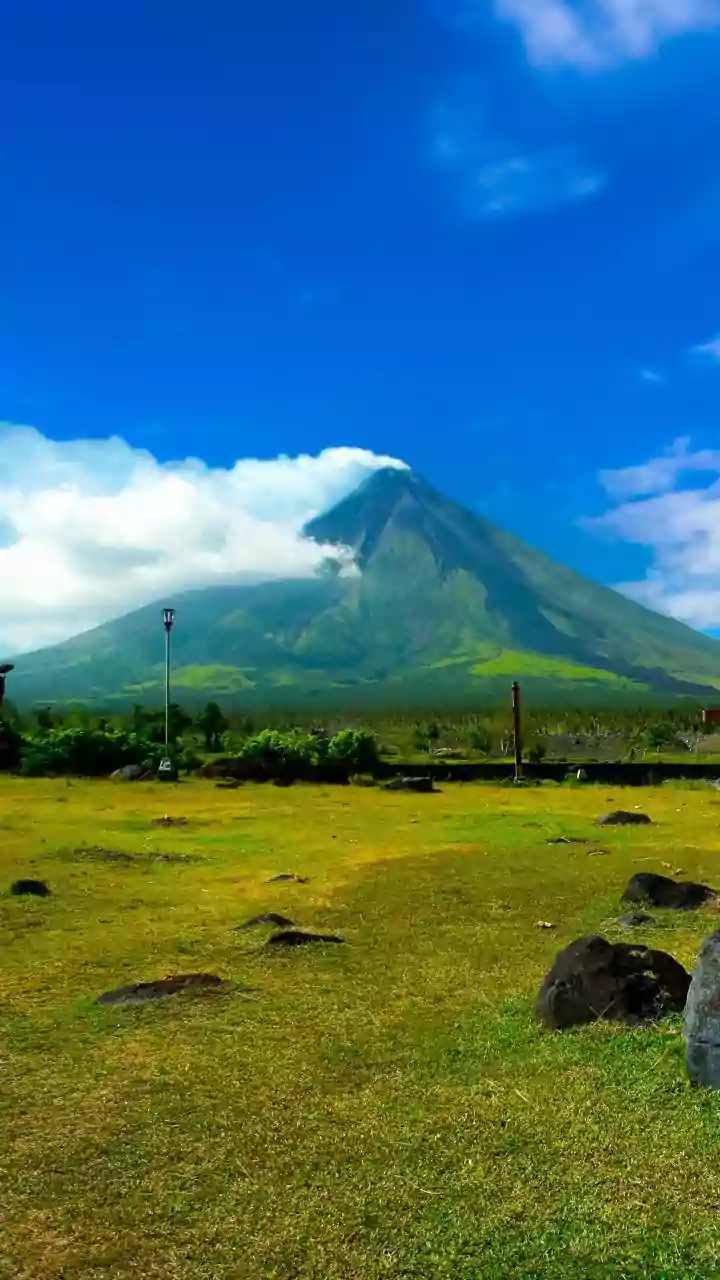
Anak Krakatau, which translates to “Child of Krakatoa,” is a volcanic island located in the Sunda Strait between the islands of Java and Sumatra in Indonesia. It emerged from the sea in 1927, formed in the caldera of its infamous parent, Krakatoa, whose
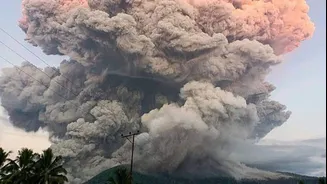
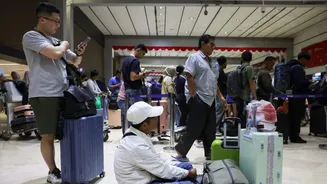
monumental 1883 eruption was one of the deadliest and most destructive in recorded history. The new volcano has been in a near-constant state of activity since, growing into a formidable force of its own. Its recent eruptions, beginning in early September 2026, have sent ash clouds soaring to altitudes of over 15,000 meters, prompting authorities to close major airports, including Jakarta's Soekarno-Hatta, and cancel hundreds of flights. This has affected tens of thousands of passengers and served as a potent reminder of nature's power over our interconnected world.
Not Just Dust in the Wind
To a passenger on the ground, a distant ash plume might seem harmless. But for a jet aircraft, it's a critical threat. Volcanic ash is not like simple smoke or dust; it consists of tiny, sharp particles of rock, minerals, and volcanic glass. These particles are highly abrasive and can act like a sandblaster, scouring an aircraft’s cockpit windows and damaging its flight surfaces. The most severe danger, however, lies within the jet engines. Modern turbofan engines operate at extremely high temperatures, far hotter than the melting point of the silicate material in volcanic ash. When ash is ingested into an engine, it melts into a molten, glassy sludge. This liquid rock then sticks to cooler components, such as turbine blades and fuel nozzles, solidifying into a ceramic-like coating. This buildup blocks airflow, chokes the engine of oxygen, and can lead to a complete loss of thrust, known as a 'flame-out'.
Lessons Learned the Hard Way
The aviation industry’s strict protocols around volcanic ash are built on harrowing real-world experience. One of the most famous incidents occurred in 1982 when British Airways Flight 9, a Boeing 747, flew into an undetected ash cloud from Mount Galunggung in Indonesia. All four of its engines failed, turning the jumbo jet into a glider. Miraculously, as the aircraft descended into denser, cleaner air, the crew managed to restart three engines and land safely in Jakarta. A similar incident happened in 1989 to KLM Flight 867 over Alaska, when it lost all four engines after flying through ash from Mount Redoubt. These near-disasters were a wake-up call, proving that even a brief encounter with volcanic ash could be catastrophic. They spurred the creation of a global system to ensure such an event would not happen again.
A Global Network of Watchers
In response to these risks, the International Civil Aviation Organization (ICAO) established the International Airways Volcano Watch (IAVW). This system includes a network of nine Volcanic Ash Advisory Centers (VAACs) positioned around the globe, from Darwin to Washington and London to Wellington. Each VAAC is responsible for a specific airspace. When a volcano erupts, these centers use a combination of satellite imagery, ground-based reports, pilot observations, and complex computer models to detect, track, and forecast the movement of the ash cloud. They then issue Volcanic Ash Advisories (VAAs) and graphical warnings to air traffic controllers, airlines, and pilots. This allows flight planners to reroute aircraft safely around the hazardous area, as seen with the recent Anak Krakatau activity.
The Price of Precaution
While this global safety net is highly effective, it comes at a cost. Closing airspace and rerouting or cancelling flights leads to significant disruption. The recent Anak Krakatau eruption saw more than 1,500 flights affected and over a quarter of a million passengers stranded in Indonesia within just a couple of days. These decisions, though frustrating for travellers, are non-negotiable from a safety perspective. Airlines and aviation authorities will always prioritize safety over schedule. The incident underscores the delicate balance between maintaining global air connectivity and respecting the raw, unpredictable power of our planet. It highlights the immense, often invisible, effort required to keep our skies safe.