





The Wisdom in Our Traditional Thali
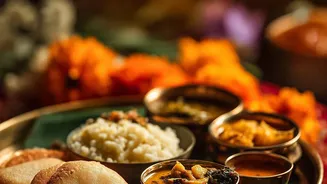
For generations, the Indian diet has been a testament to balance and diversity. Centred on whole grains like millets, rice, and wheat, protein-rich pulses, fresh vegetables, and an array of spices, these meals are nutritional powerhouses. This plant-forward
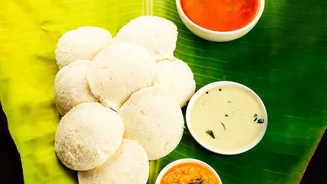
way of eating is naturally high in fibre, vitamins, and antioxidants. Spices like turmeric, ginger, and cumin are not just for flavour; they possess anti-inflammatory and digestive properties. Fermented foods such as dosa, idli, and pickles also play a crucial role, promoting gut health by providing beneficial probiotics. Research has consistently linked these traditional dietary patterns to lower risks of chronic illnesses, including heart disease, diabetes, and certain cancers.
The Alarming Rise of Ultra-Processed Foods
Urbanisation, rising incomes, and fast-paced lifestyles have fuelled a massive shift towards ultra-processed foods (UPFs). These industrial formulations—think packaged snacks, sugary drinks, and ready-to-eat meals—are high in unhealthy fats, sugar, and sodium, while lacking essential nutrients and fibre. Between 2006 and 2019, the retail sales of UPFs in India grew a staggering forty-fold. This dietary transition is a primary driver behind India's growing “double burden of malnutrition,” where undernutrition persists alongside a rapid increase in obesity and diet-related non-communicable diseases (NCDs). An average Indian household now gets more calories from processed foods than from fruits.
A Race to Document and Understand
Recognising that invaluable health knowledge is at risk, scientists have launched major initiatives to study and document these heritage diets. One such global effort is the World Diet Initiative, which involves researchers from 12 countries, including India. Nitte University in Mangaluru is leading the regional network, focusing on diets like the 'rice-fish-coconut' combination of local fishing communities. The goal is to create a comprehensive, open-access 'World Diet Atlas' that maps food sources, preparation methods, and eating practices. By studying the biological effects of these diets, researchers hope to uncover new insights into how traditional foods protect against chronic disease.
The Steep Health Cost of Convenience
The switch from traditional meals to UPFs is having a severe impact on public health. India is facing what some experts call a “health doomsday,” with diet-related risks being a leading contributor to mortality. Conditions like obesity, type 2 diabetes, and cardiovascular diseases are surging. Adult obesity has nearly doubled in recent years, and child obesity is projected to rise by over 9% annually through 2035. These diseases, once considered issues for high-income nations, are now a defining feature of India's health landscape, placing an unprecedented strain on the healthcare system.
From Research to a Healthier Future
The research into traditional diets isn't just about preserving the past; it's about informing the future of public health. Institutions like the Indian Council of Medical Research (ICMR) and the National Institute of Nutrition (NIN) are using such evidence to update national dietary guidelines. The 2024 guidelines, for example, increase the recommended intake of vegetables and emphasise whole grains. Furthermore, there is a growing push for policies like clear front-of-pack labelling and restrictions on marketing unhealthy foods to children. By understanding the science behind our ancestral food wisdom, India has a chance to create policies that promote nutrition security and combat the rise of lifestyle diseases for generations to come.