


Start with Florence, The Renaissance Anchor
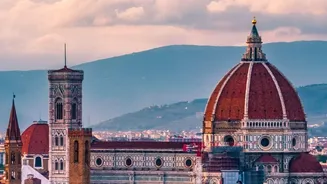
Every great Tuscan journey needs a starting point, and there is none grander than Florence. Before you even think about getting behind the wheel, give yourself at least two days to immerse yourself in the cradle of the Renaissance. This is a city for walking,
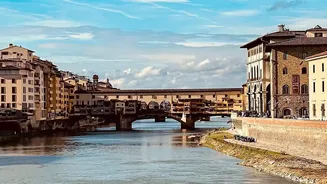
for getting lost in narrow alleys only to emerge in front of Brunelleschi's magnificent Duomo. Wander across the Ponte Vecchio, get your fill of masterpieces at the Uffizi Gallery, and watch the sunset over the Arno River. Florence provides the essential dose of urban energy and world-class art that will serve as a perfect contrast to the rural serenity that awaits. Think of it as your cultural basecamp, a place to fill your soul with history before you hit the open road.
The Chianti Classico Drive (SR222)
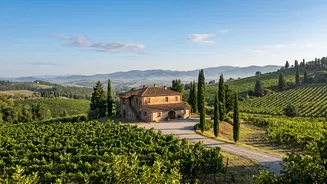
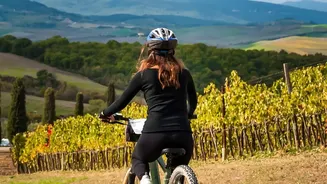
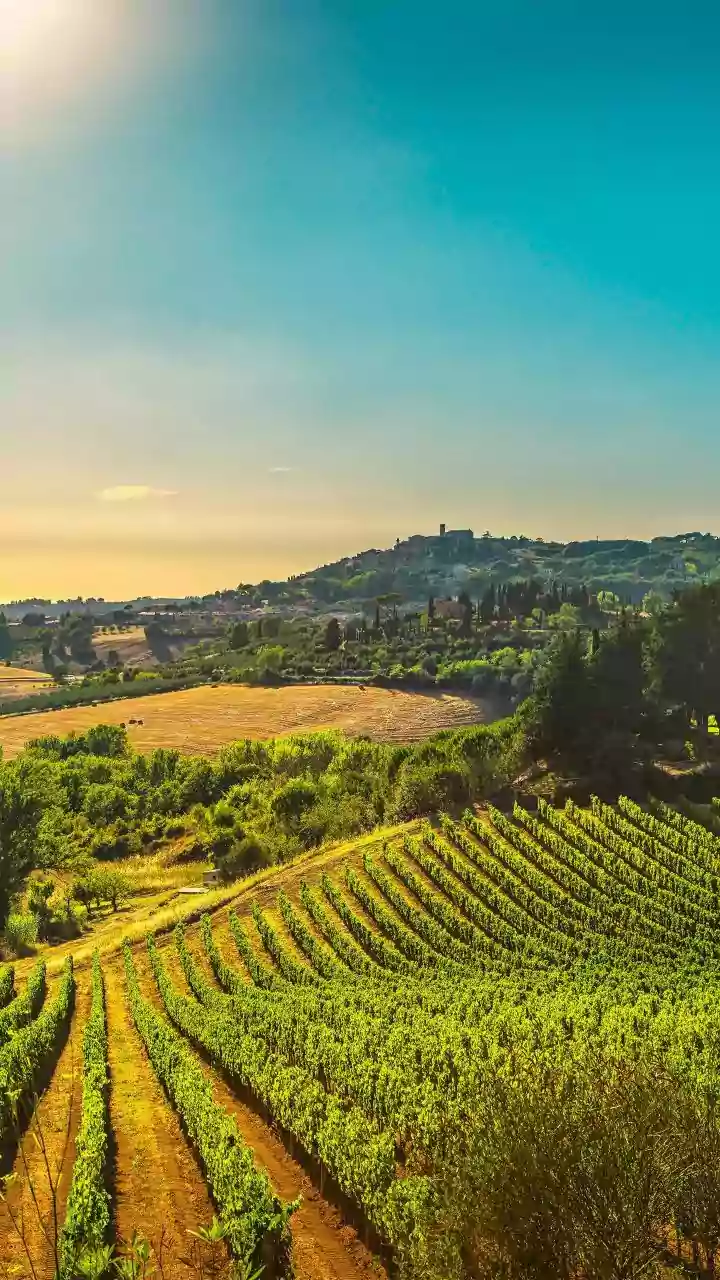
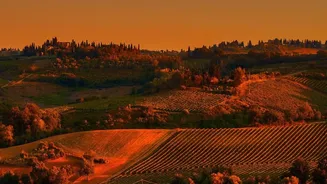
Picking up your car in Florence, resist the urge to take the fast motorway south. Instead, seek out the legendary SR222, also known as the Via Chiantigiana. This is the classic wine road that winds its way from Florence to Siena. The drive itself is the destination. The road carves through the heart of the Chianti Classico wine region, a landscape of perfectly manicured vineyards and silvery olive groves. Plan for a slow day, stopping in quintessential Chianti towns like Greve, with its unique triangular piazza, or Castellina in Chianti, a charming medieval hilltop village. This is your chance to pull over at a local winery for an impromptu tasting or enjoy a long lunch at a trattoria with a panoramic view. The Chiantigiana isn't about speed; it's about savouring the journey.
Siena's Medieval Heart
As the Chianti hills flatten out, you'll arrive in Siena, Florence's historic rival and a stunning medieval counterpoint. Where Florence is all Renaissance elegance, Siena is a Gothic masterpiece of red brick. Its centerpiece is the Piazza del Campo, a breathtaking, shell-shaped square that serves as the city's heart. Spend your time here climbing the Torre del Mangia for commanding views and exploring the intricate facade of the Duomo. Siena makes a fantastic base for a couple of nights. After the solitude of the rural drive, its lively streets offer a welcome return to civilisation, and its central location makes it the perfect launchpad for the next leg of your journey into southern Tuscany.
The Val d'Orcia Loop: Postcard Perfection
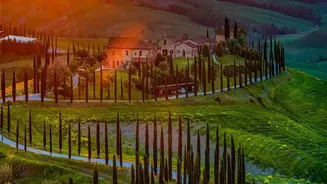
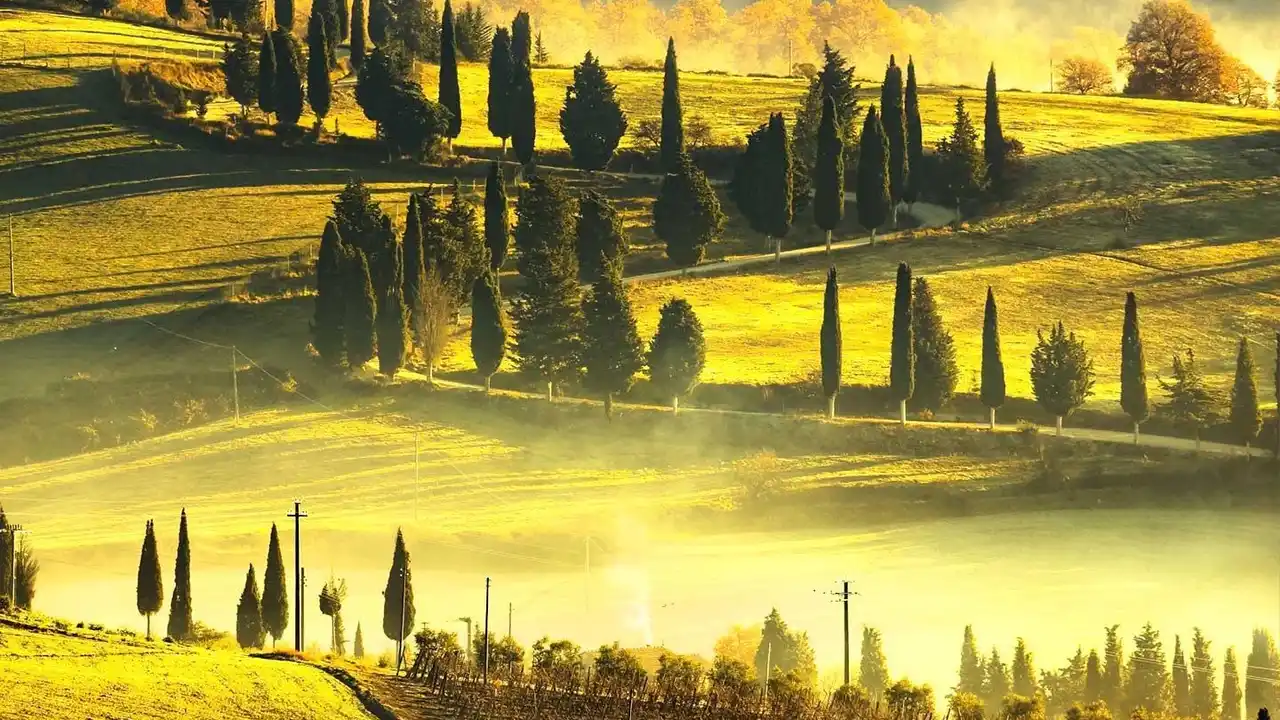
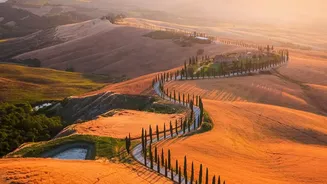
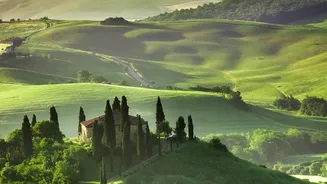
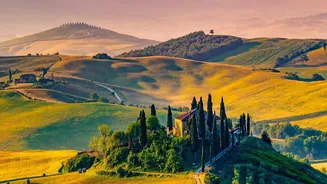
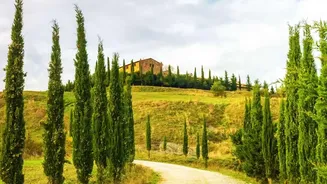
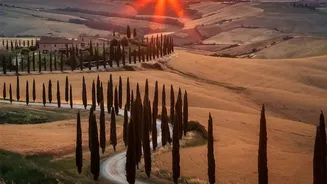
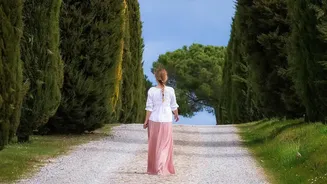
South of Siena lies the Val d'Orcia, a valley so perfectly beautiful it's been designated a UNESCO World Heritage site. This is the Tuscany of postcards: endless rolling hills, winding roads lined with iconic cypress trees, and lonely farmhouses perched on hilltops. The driving loop here is a visual feast. From Siena, head towards Pienza, a tiny town redesigned in the 15th century to be the ideal Renaissance city. Then, take the winding SP146 road towards Montepulciano, a rugged town known for its Vino Nobile wine and dramatic views. Don't miss the detours to the tiny chapel Cappella della Madonna di Vitaleta or the thermal springs at Bagno Vignoni. This part of the drive is about embracing the landscape, stopping frequently for photos, and feeling like you've driven straight into a painting.
Hilltop Gems and a Timeless Farewell
While Pienza and Montepulciano are the stars of the Val d'Orcia, the region is dotted with other unmissable hilltop towns. Consider a stop in Montalcino, home to the famous Brunello wine, or the impossibly picturesque San Gimignano, with its skyline of medieval towers. Volterra offers a more rugged, authentic feel, with a history stretching back to the Etruscans. Each town provides a different flavour of Tuscan life and a reason to park the car and explore on foot. Weaving these smaller stops between the grand cities and scenic drives is the key. It's in these quiet hamlets that you'll find a slice of the slow, steady Italian way of life, providing a perfect, peaceful end to your journey.